Microsoft Rolls Out Auto Super Resolution Feature to Premium ROG Xbox Ally X and X20 Handhelds
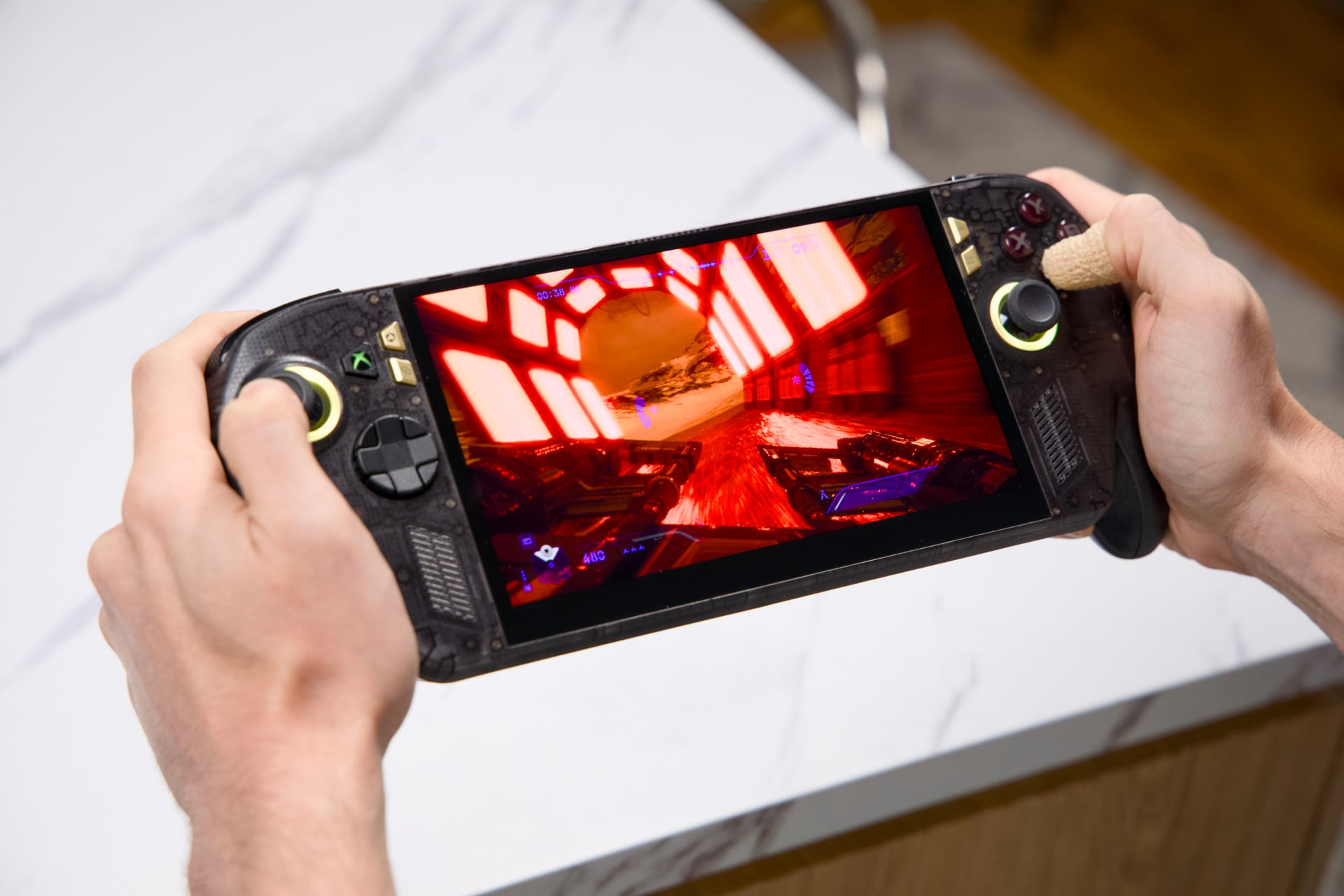
Microsoft has started distributing a new image‑upscaling tool named Auto Super Resolution to its top‑tier ROG Xbox Ally X and Ally X20 handheld consoles. The capability, which taps the built‑in neural processing unit (NPU) of the devices, is designed to sharpen lower‑resolution game output on the fly, delivering crisper visuals without a perceptible dip in frame rate. The functionality arrives with the latest firmware update and is being delivered to owners of the two premium models via the normal system‑update process. Early information suggests the rollout is proceeding worldwide in stages, with most regions expected to receive the patch within the coming week.
Auto Super Resolution operates by examining each frame using the NPU’s machine‑learning cores and rebuilding missing detail, a method akin to the upscaling found in modern TVs and PC graphics cards. In contrast to conventional software scaling, the algorithm tries to infer texture and edge data, effectively converting a 720p or 1080p source into an image that looks close to native 1440p on the Ally’s 1080p screen. Microsoft states the process runs entirely on the dedicated NPU, leaving the main CPU and GPU free for gameplay, which should help maintain battery life and the device’s performance envelope.
The move follows months of criticism that the Ally’s powerful NPU—originally promoted for AI‑driven tasks such as voice commands and image recognition—had seen little practical use. Reviewers observed that most games on the handheld relied solely on the GPU, leaving the NPU idle. By introducing Auto Super Resolution, Microsoft is finally putting the specialized silicon to work, delivering a concrete benefit that directly answers a long‑standing grievance from handheld gamers who expected more from the hardware’s advertised capabilities.
For users, the tangible result should be a noticeable lift in visual fidelity, especially in titles that run at lower native resolutions to keep performance smooth on the portable platform. Early impressions from players point to sharper textures and reduced aliasing in fast‑paced shooters and open‑world adventures, while frame‑rate stability remains largely unchanged. The feature also brings the Ally lineup in line with Microsoft’s wider console strategy, where comparable upscaling solutions such as Xbox Series X|S’s FidelityFX Super Resolution have become standard tools for developers aiming to balance performance and image quality.
Looking forward, Microsoft has hinted that Auto Super Resolution may be rolled out to additional Ally models and perhaps future handhelds in the Xbox family. The company’s hardware roadmap stresses AI‑enhanced experiences, and this deployment could serve as a testing ground for more ambitious integrations, like real‑time ray‑tracing assistance or adaptive resolution scaling. As the update reaches a broader audience, market reaction will likely shape whether the NPU evolves into a core differentiator for Microsoft’s portable gaming portfolio.


Comments (0)
Be the first to comment.
Join the discussion