Biomemory unveils DNA Shield, using synthetic DNA to protect cold data
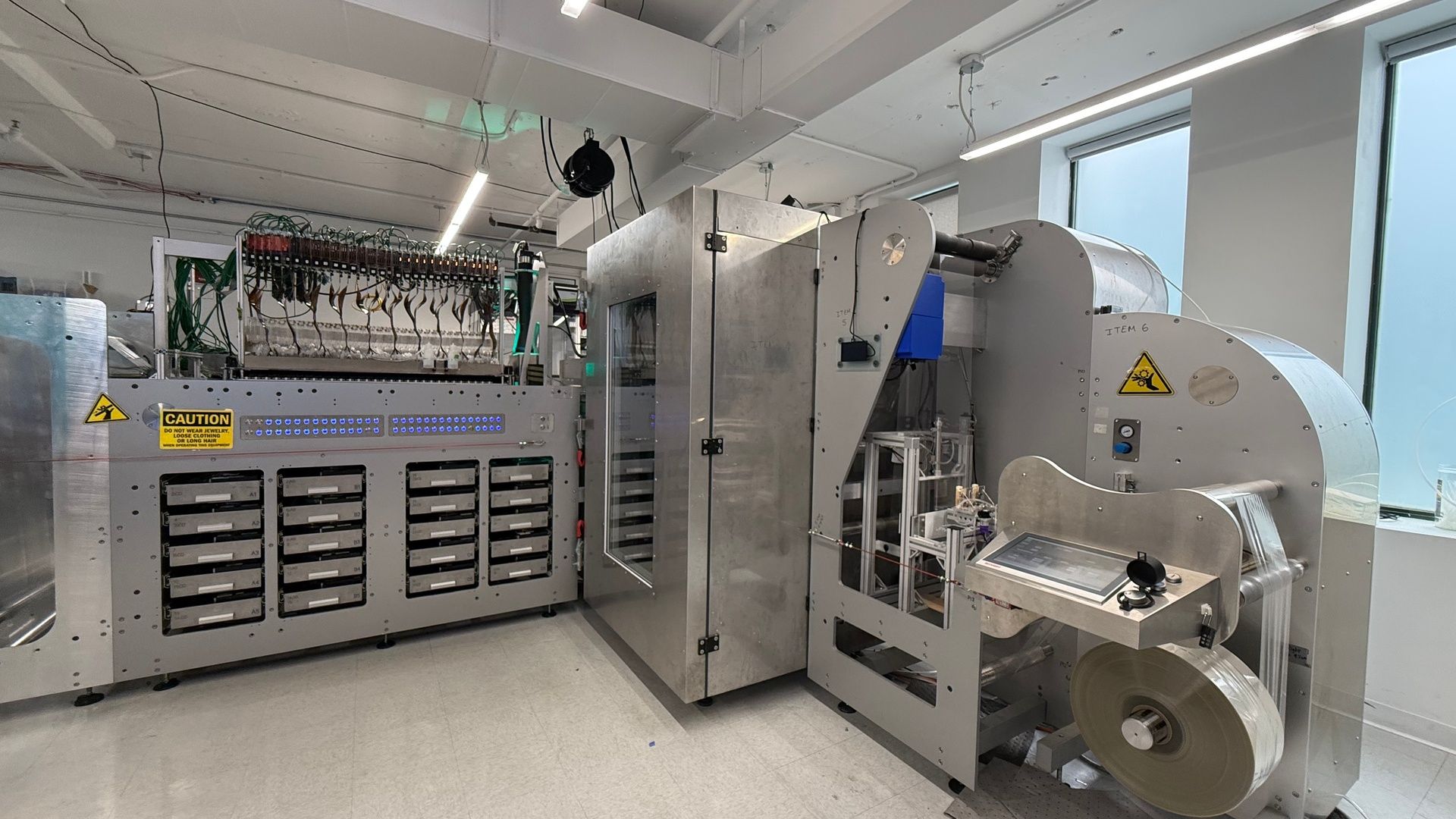
Biomemory unveiled DNA Shield, a fresh platform that translates essential digital assets onto synthetic DNA strands, providing an offline, air‑gapped vault that remains beyond the grasp of ordinary cyber attacks.
Encoding data in DNA is no longer merely a scientific novelty; scientists have shown the molecule can store petabytes of information within a volume comparable to a sugar cube. DNA Shield applies this concept commercially, converting files into nucleotide strings that are synthesized, encased in a durable medium, and kept in a physically separate vault.
The offering is aimed at what experts label “cold data” — archives, compliance documents, and legacy files that see little use but need to stay preserved for years or even decades. Since such data is seldom accessed, organizations typically shift it to cheap cloud tiers that, despite their affordability, stay vulnerable to ransomware, insider attacks, and supply‑chain breaches.
Biomemory contends that DNA’s natural traits — durability, extreme density, and immunity to electromagnetic interference — render it especially fit for safeguarding this kind of information. The firm notes that one gram of synthetic DNA can retain the amount of data equivalent to several terabytes, and because the storage is physical, any adversary would have to acquire the material and own specialized laboratory tools to read it.
Although DNA Shield is presented as a robust option, Biomemory admits that ensuring long‑term reliability brings its own challenges. Issues like enzymatic degradation, synthesis inaccuracies, and the requirement for specialized read‑write procedures can jeopardize data integrity. To address these concerns, the company is creating error‑correction algorithms and redundancy strategies, and it has teased an upcoming “DNA Refresh” service that will periodically re‑synthesize and verify the stored sequences.
Analysts view the development as fitting within a wider shift toward varied data‑protection approaches, particularly as high‑profile ransomware incidents keep climbing. Should the technology scale and the price per gigabyte become competitive, DNA Shield may emerge as a niche yet valuable choice for governments, banks, and any entity subject to stringent archival rules. At present, Biomemory’s solution introduces a physical security layer that augments current digital safeguards, and its progress will likely attract close attention from both cybersecurity and biotech circles.



Comments (0)
Be the first to comment.
Join the discussion