Beyond the Numbers: Real‑World Devices a 1000 Wh Portable Power Station Can Run
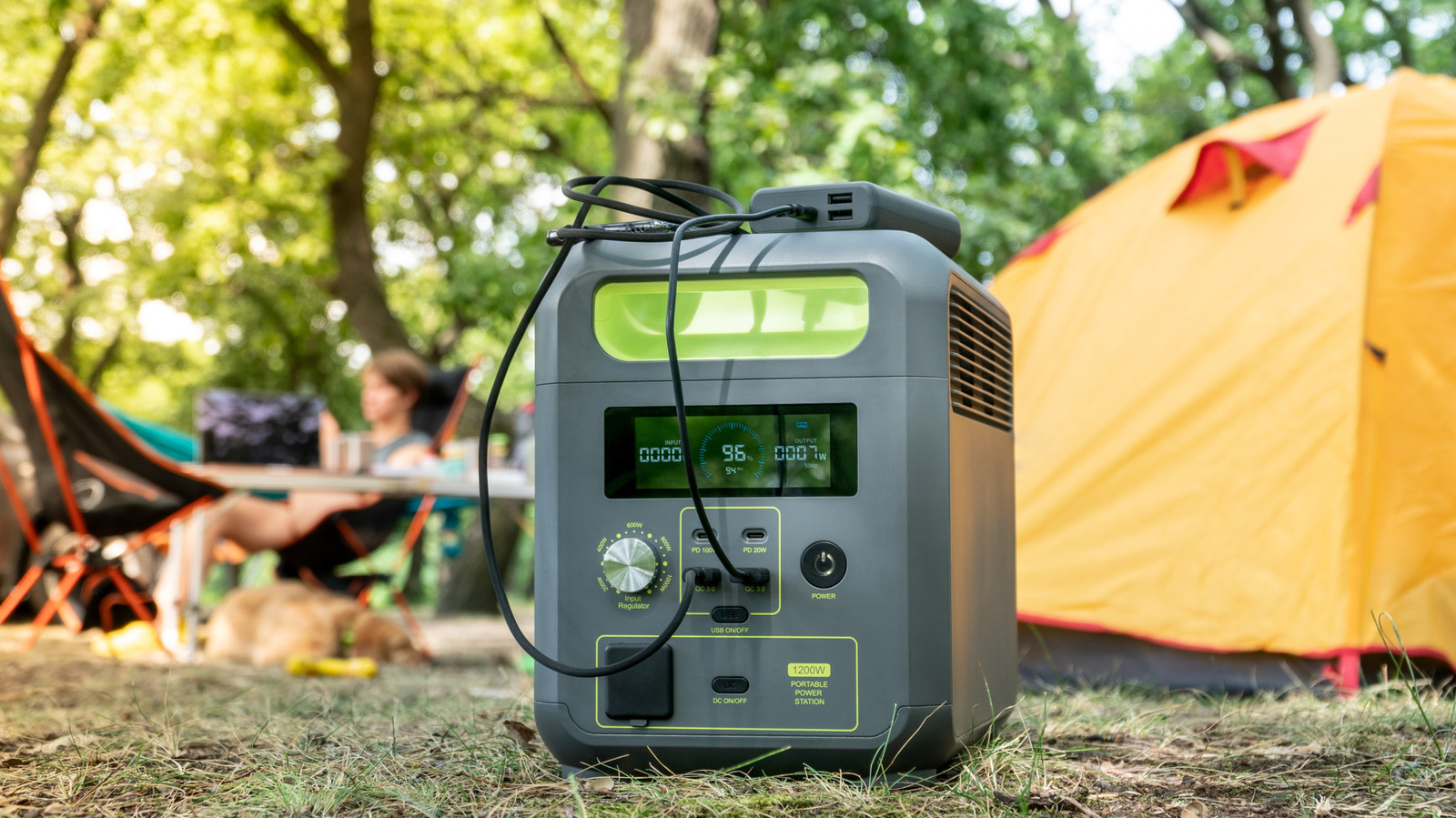
Units advertised as 1000‑watt‑hour (Wh) portable power stations are frequently touted as an easy way to keep electronics running while traveling, yet actual operating time hinges on factors beyond merely dividing capacity by a device’s consumption.
The textbook method—splitting 1000 Wh by a gadget’s wattage—yields a rough ceiling, but it presumes a steady load, flawless conversion efficiency, and an unvarying battery voltage, conditions that rarely exist in real use.
Inverters converting the station’s DC reserve into usable AC generally lose about 10‑15 percent of the energy as heat, and numerous devices draw a higher surge current at start‑up. Moreover, battery chemistry causes the effective capacity to decline as voltage drops, particularly under heavy draws or low temperatures, further reducing usable runtime.
As a result, a laptop consuming about 45 W could operate for roughly 18‑20 hours, while a compact refrigerator pulling 70 W might only last 10‑12 hours. Low‑power LED lighting at 10 W can surpass 80 hours, provided the lights are the only load and the station’s internal management permits deep discharge.
Such subtleties are crucial for campers, emergency‑preparedness planners, and anyone depending on a portable unit during power cuts. Users should sum the total wattage of all planned devices, add a 15‑20 percent loss buffer, and respect the station’s suggested depth‑of‑discharge limits to prevent early battery degradation.
Manufacturers are now more often providing runtime charts that factor in usual inverter losses and average usage patterns, though they remain idealized. Knowledgeable purchasers frequently perform a simple spreadsheet formula: (Battery Wh × 0.85) ÷ (Total W) to obtain a more realistic projection.
As lithium‑ion and emerging solid‑state chemistries raise energy density, upcoming models will push those runtime numbers farther. In the meantime, grasping how efficiency, load fluctuations, and battery characteristics interact is essential to maximize a 1000 Wh power station’s performance.



Comments (0)
Be the first to comment.
Join the discussion