Army evaluates self‑navigating cargo helicopter that autonomously avoids emergent no‑fly zones
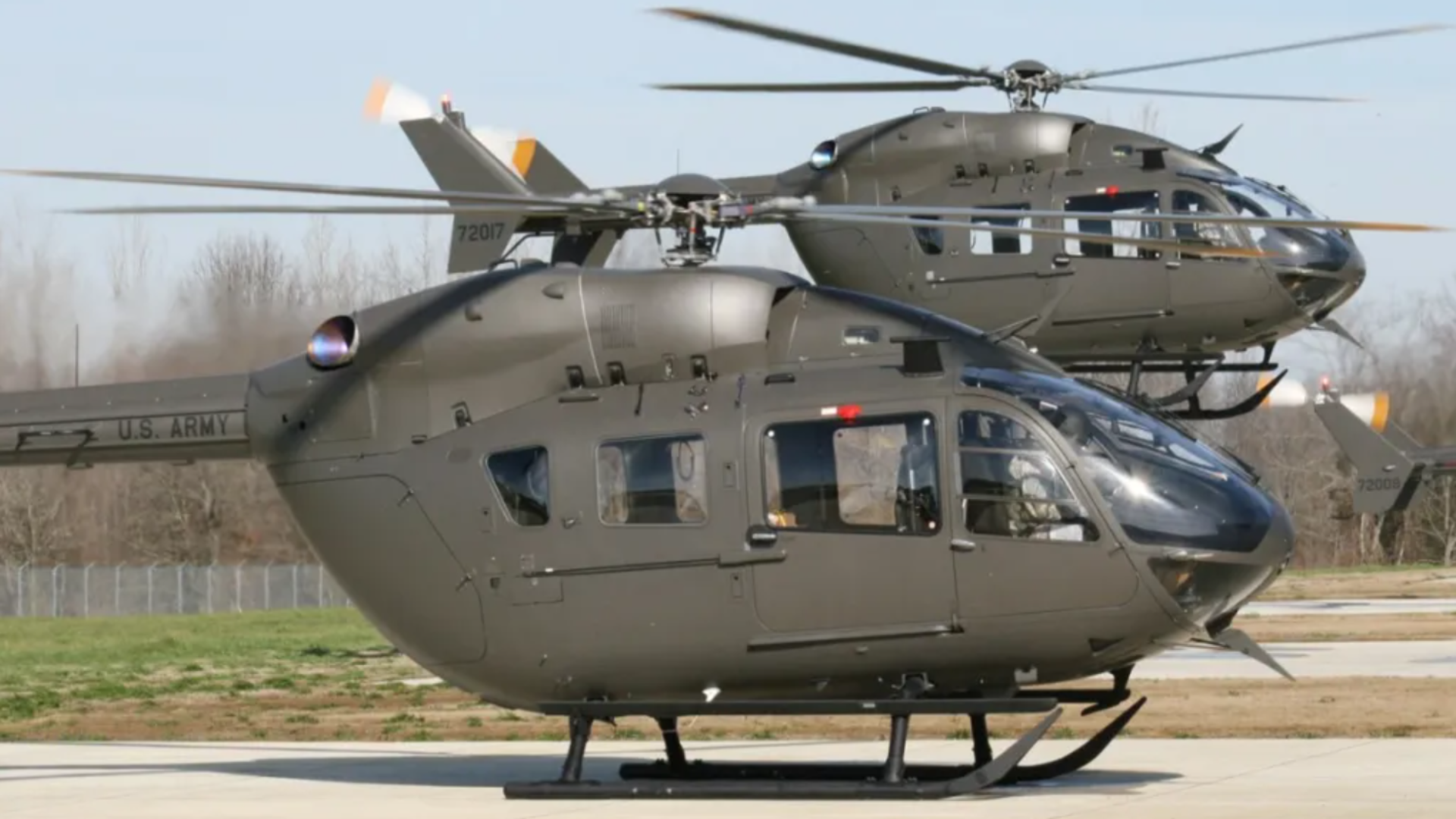
The U.S. Army recently proved that an unmanned cargo helicopter can autonomously alter its route whenever a restricted airspace emerges, employing a satellite connection capable of sending commands up to 70 miles distant.
The machine, Airbus’s MQ‑72C, is a cargo‑specific airframe fitted with sophisticated flight‑control systems that allow it to fly without any onboard crew. During the latest test, the helicopter was assigned a supply delivery mission when a temporary no‑fly zone was inserted into its flight path.
Central to the operation is Shield AI’s Hivemind software, which ingests sensor inputs and generates navigation choices in real time. Upon the insertion of the no‑fly zone, the autonomous algorithm recognized the barrier, plotted a new corridor, and carried out the adjustment without any human direction.
Operators kept a supervisory connection through SpaceX’s Starlink satellite network, which shuttled remote commands and telemetry between the ground station and the aircraft. The demonstration proved that a command could be transmitted from as far as 70 miles away, giving a commander the ability to step in should the autonomous system need help.
The mission ended without any incident, confirming the helicopter’s ability to adjust to shifting air‑space constraints—a trait that becomes ever more valuable in contested or disaster‑relief scenarios where airspace can be swiftly re‑designated.
Military planners view autonomous logistics as a means to lower personnel risk while accelerating resupply operations. Eliminating the requirement for an onboard pilot enables the Army to field cargo helicopters in zones where small‑arms fire or anti‑aircraft threats render manned flights perilous.
The Army’s upcoming plans involve longer endurance tests, merging the system with current vertical‑lift programs, and assessing how the technology scales to heftier payloads. Should additional trials verify its reliability, the MQ‑72C may become a mainstay of future unmanned supply chains, working alongside ground convoys and other aerial assets in a multi‑domain logistics approach.



Comments (0)
Be the first to comment.
Join the discussion