Apple HomeView Challenges Amazon Echo Show in the Smart Display Market
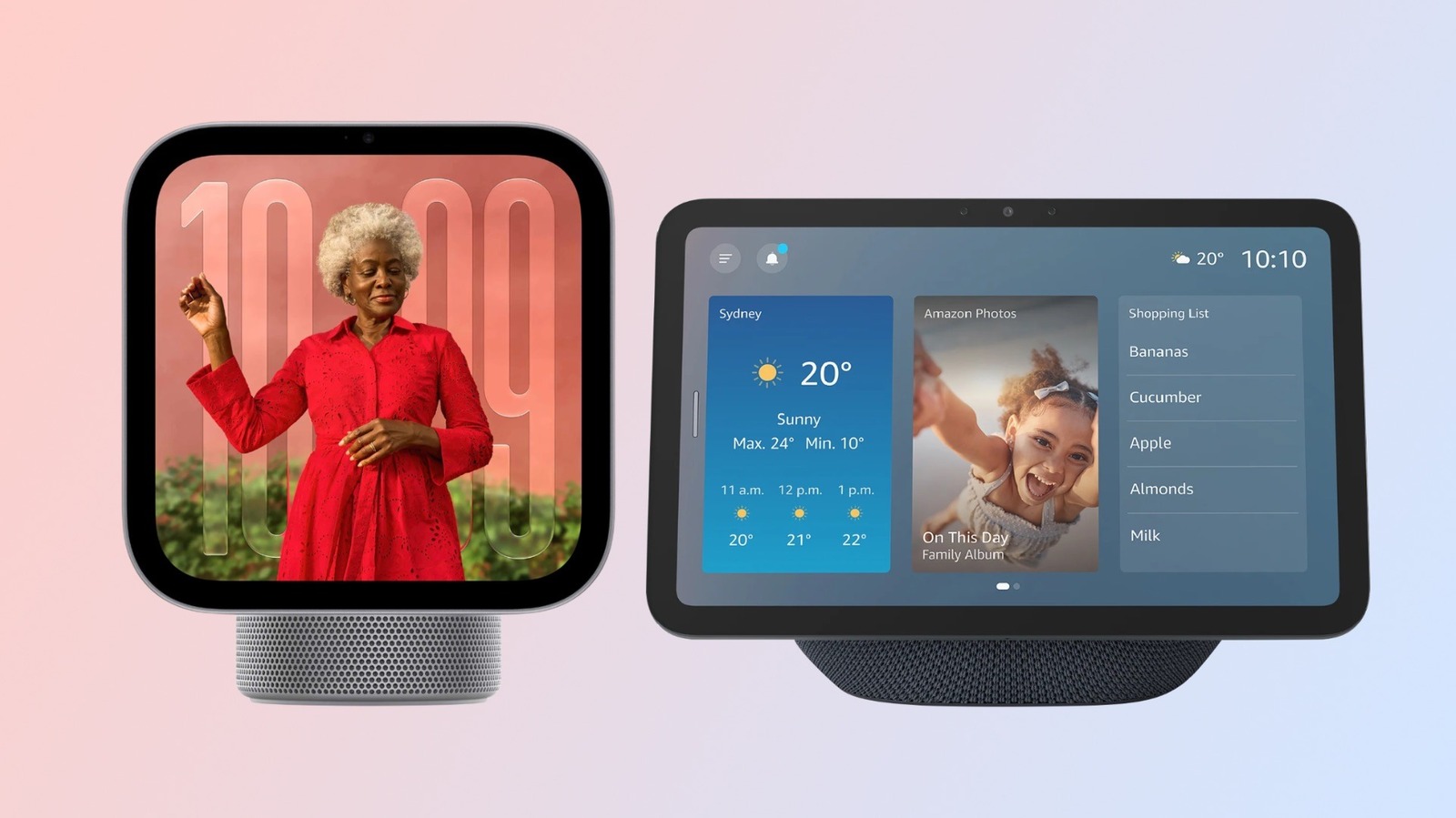
Apple’s freshly introduced HomeView and Amazon’s long‑standing Echo Show both serve as primary hubs for voice‑activated assistance, yet they differ markedly in design philosophy, software integration, and data‑handling methods.
In terms of appearance, the HomeView embraces Apple’s signature minimalism with a sleek, frameless 10.2‑inch Retina‑grade display that can swivel to suit various viewing angles. The Echo Show, on the other hand, adopts a more utilitarian aesthetic, featuring a visible camera ring and a slightly bulkier 10.1‑inch LCD panel that prioritizes durability over elegance. Both units house built‑in speakers; Apple promotes spatial audio tuned for the iPhone ecosystem, while Amazon touts adaptive sound that automatically adjusts volume according to ambient noise.
Behind the scenes, each device runs its own AI assistant: Siri powers the HomeView, and Alexa drives the Echo Show. Siri draws heavily on contextual cues from the wider Apple ecosystem, enabling smooth hand‑offs among iPhone, iPad, Mac and Apple Watch. Alexa leverages Amazon’s extensive third‑party skill catalog, offering a wider array of voice‑controlled services such as grocery ordering and control of numerous smart‑home brands. Although both assistants can handle calendars, set reminders and answer questions, Siri’s replies tend to be brief, whereas Alexa often delivers more detailed, multi‑step responses.
Compatibility with existing smart‑home gear also sets the two apart. HomeView is optimized for HomeKit‑compatible accessories, a strategy that narrows the selection of devices but promises tighter security and encrypted communication. Echo Show takes a more open stance, supporting a broad spectrum of Zigbee, Z‑Wave and Wi‑Fi products without the need for an additional hub. These philosophies extend to privacy: Apple stresses on‑device processing for many Siri queries and provides clear opt‑out choices for data sharing, while Amazon offers granular privacy controls but processes a larger portion of voice data in the cloud to fuel its expansive skill ecosystem.
Price and market positioning further distinguish the contenders. HomeView launches at a premium price point, reflecting its high‑end hardware and Apple’s emphasis on a seamless, privacy‑first experience for its existing user base. Echo Show remains competitively priced, with regular discounts that make it reachable for a wider audience seeking entry‑level smart‑home functionality. Analysts expect the rivalry to push both firms to sharpen their hardware, broaden third‑party support, and improve privacy disclosures, ultimately giving consumers more options as smart displays become commonplace in modern homes.


Comments (0)
Be the first to comment.
Join the discussion