AI-Powered Smart Glasses Encounter Expanding Public Prohibitions Amid Privacy and Safety Fears
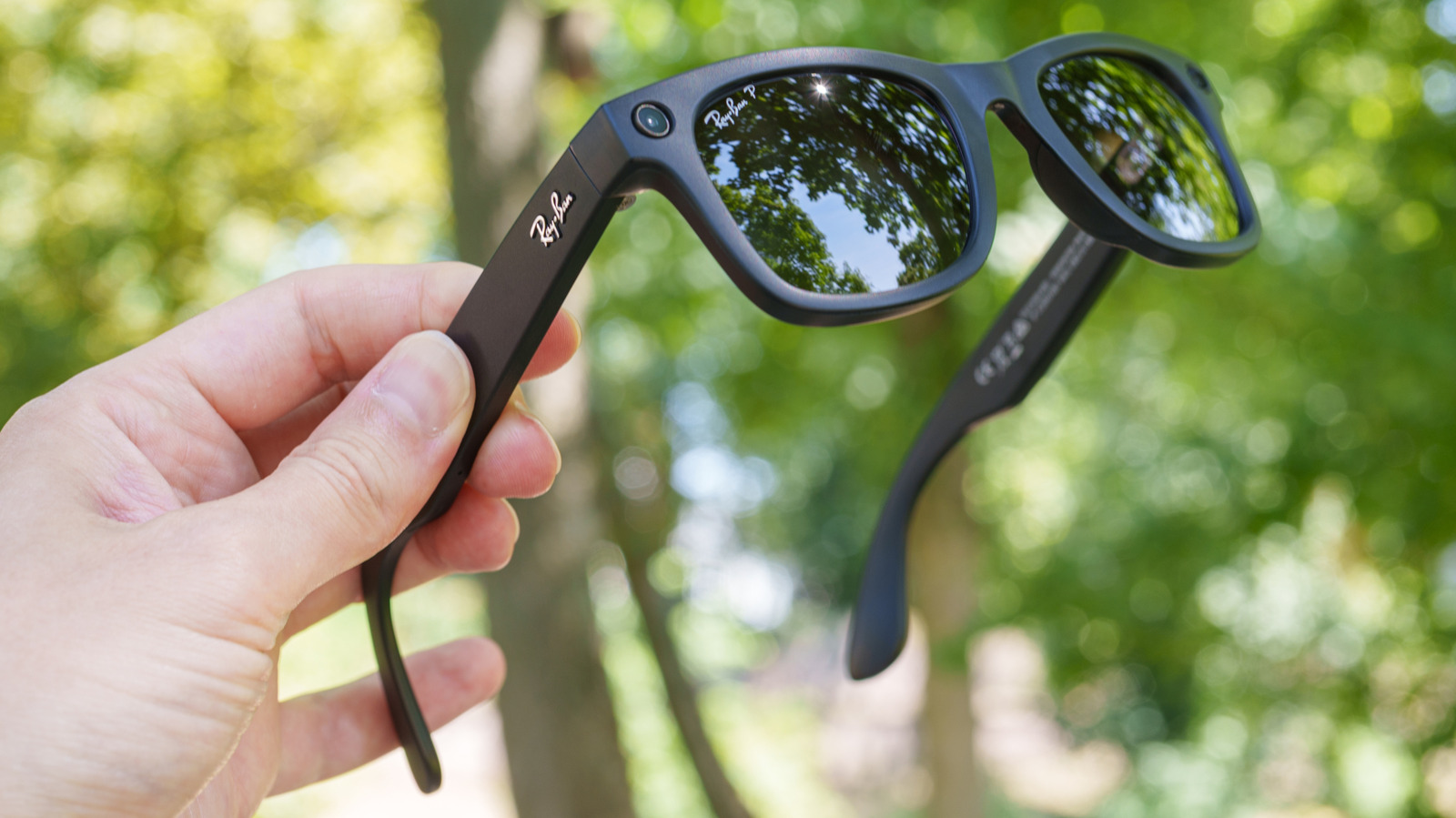
Across the United States, city governments, school systems and cultural institutions are progressively banning AI‑driven smart glasses from public areas, warning that the gadgets might record video or sound without permission and allow instantaneous data harvesting that jeopardizes privacy and safety.
The movement started in courtrooms, where judges and lawyers contended that covert, wearable cameras could compromise the fairness of trials and reveal privileged testimony. Following that, school boards have adopted similar bans, asserting that the technology might aid exam cheating or permit intrusive monitoring of pupils.
Theaters and other entertainment sites have added their names to the prohibition roster, cautioning that AI glasses can capture shows in high‑definition and distribute them instantly, infringing on creators' intellectual‑property rights and eroding the audience’s experience. Operators note that the glasses’ capacity to superimpose subtitles, translate speech or recognize performers on the fly introduces copyright dilemmas not covered by current rules.
Supporters of the prohibitions highlight a wider unease about wearable AI. These gadgets merge augmented‑reality lenses with onboard processing that can identify faces, read license plates and transcribe dialogue, yet they look like regular spectacles. Privacy advocates maintain that such functions make it hard for onlookers to tell when they are being filmed, contradicting long‑standing norms of consent in public places.
Industry spokespeople recognize the regulatory push yet contend that blanket bans may hinder innovation. Some makers are testing optional hardware toggles or software alerts that indicate when recording is underway, aiming to meet privacy standards while keeping the product available. Legal scholars foresee upcoming court decisions that could delineate clearer limits, possibly mandating visible signage or consent procedures before AI glasses are permitted in sensitive locations. At present, the growing list of prohibitions reflects a careful stance as lawmakers and private operators wrestle with reconciling technological progress with the public’s privacy rights.


Comments (0)
Be the first to comment.
Join the discussion