Widespread Fish Deaths in River Pool Prompt Urgent Pollution Inquiry
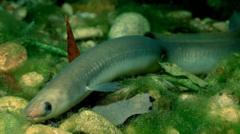
A significant environmental event has unfolded along a stretch of the River Pool, where thousands of fish have been found dead. This grim discovery has prompted an urgent investigation into what officials are referring to as a "pollution mystery." The incident, occurring within a park setting, has immediately raised serious questions about the local water quality and the overall health of the river's aquatic life.
Among the species counted deceased are eels, known for their resilience in freshwater environments, alongside sticklebacks, gudgeon, and stone loach. The sheer scale of these fatalities strongly indicates the presence of a sudden and potent environmental contaminant. Such an impact affects a wide variety of the river's fish population, signaling a profound disturbance to its natural equilibrium.
The River Pool, like numerous urban waterways, supports a rich diversity of life. The loss of thousands of individual fish, particularly across various species, represents a considerable blow to its biodiversity. For example, eels are migratory and play a vital role in the food web, while sticklebacks and gudgeon serve as common indicators of river health. This event starkly highlights the vulnerability of these ecosystems, even when situated within protected parklands.
Environmental agencies are expected to initiate a thorough investigation. Their efforts will include collecting water samples and examining the deceased fish for critical clues about the pollutant's nature and origin. Possible causes for such a widespread die-off could range from accidental chemical spills and industrial discharges to agricultural runoff or even sewage contamination; however, specific details are currently unavailable.
This situation is likely to cause concern among community members and park visitors, given that healthy waterways are essential for both local wildlife and human enjoyment of green spaces. The presence of a substantial pollutant could extend risks beyond the immediate aquatic inhabitants, potentially affecting other animals that depend on the river for water or food, thereby impacting the park's overall environmental quality.
Pinpointing the exact contaminant and its entry point into the River Pool will be crucial. This information is not only vital for understanding the immediate consequences but also for developing effective remediation strategies and preventing similar occurrences in the future. Standard environmental protocols often involve tracing potential sources through existing drainage networks or upstream industrial sites.
As the investigation progresses, updates from environmental authorities will be closely monitored. The primary objective will be to swiftly identify the source of the pollution, aiming to mitigate further damage and ensure the long-term recovery of the River Pool's invaluable ecosystem within the park. The full extent of the ecological harm and the timeline for its recovery remain uncertain until the ongoing inquiry concludes.


Comments (0)
Be the first to comment.
Join the discussion