Why So Many iPhone Apps Remain Unseen on Apple CarPlay
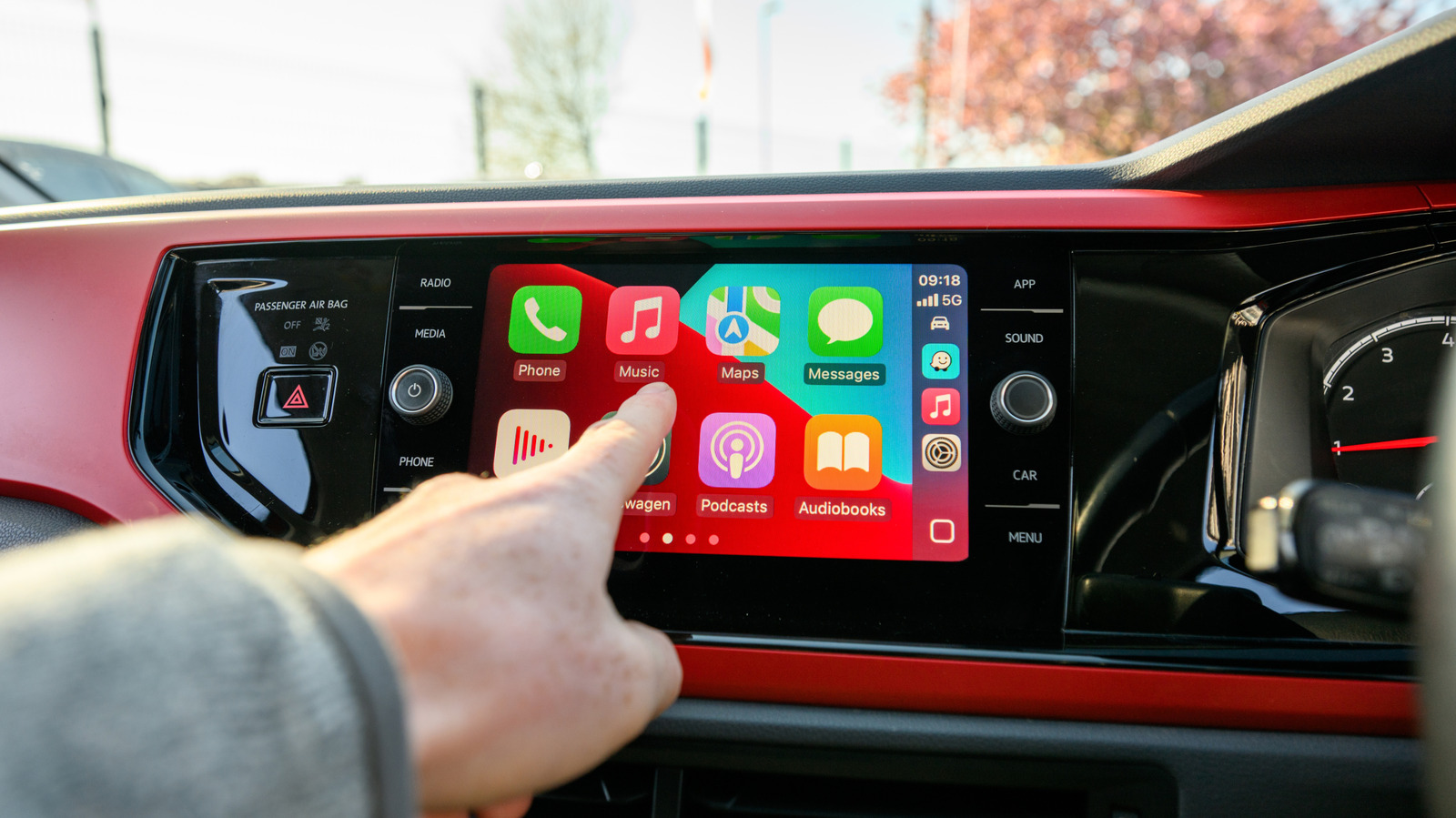
When motorists link their iPhone to a head unit that supports Apple CarPlay, they frequently notice that merely a small portion of the phone’s installed apps show up on the car’s screen. This shortfall isn’t a bug; it stems from intentional technical and policy decisions that dictate which programs are permitted to operate within the vehicle’s interface.
Introduced in 2014, CarPlay was designed to project a pared‑down, driver‑centric UI from the iPhone, prioritising safety and minimizing distraction. Apple initially restricted the platform to a handful of categories—navigation, audio streaming, messaging and a few utilities—each built to be controlled by voice, steering‑wheel buttons or a simplified touchscreen.
Developers who wish to be part of that curated roster must adopt the CarPlay framework and remodel their UI to satisfy rigorous human‑machine interaction standards. The framework removes many visual elements typical on a phone, demanding large icons, brief text and voice‑first operation. Apps that cannot be reshaped to meet these limits, or whose core purpose doesn’t fit the allowed interaction types, are excluded.
Apple also subjects each CarPlay submission to a vetting process that checks compliance with safety guidelines, regional regulations and licensing rules. Because the software runs on a vehicle’s infotainment hardware, Apple must verify that third‑party apps won’t interfere with essential vehicle functions or create driver distraction. This gatekeeping means that even widely used iPhone apps may never gain CarPlay support if they fail to satisfy Apple’s criteria.
For users, the result is that many everyday applications—social media, productivity suites or niche tools—remain reachable only on the phone itself. Although Siri can still launch a messaging app, the full interface will not appear on the CarPlay screen unless the developer supplies a dedicated CarPlay extension. This explains why, for instance, most games, photo editors and certain streaming services are missing from the dashboard.
Observers note that Apple has gradually widened CarPlay’s capabilities with each iOS update, adding podcasts, audiobooks and even some third‑party messaging clients. Analysts anticipate further growth as automakers equip cars with more powerful hardware and regulators become comfortable with richer in‑car experiences. Yet any new category will still need to clear Apple’s safety and design reviews before reaching drivers.
Grasping why an app is absent from CarPlay sets realistic expectations for consumers and highlights the trade‑off Apple pursues between connectivity and road safety. As the ecosystem matures, the roster of compatible apps should expand, but the core requirement—adapting to a simplified, voice‑centric interface—will remain the barrier for any iPhone software aiming for the car’s display.


Comments (0)
Be the first to comment.
Join the discussion