What Drives Down an EV’s Battery Life: Key Influences Explained
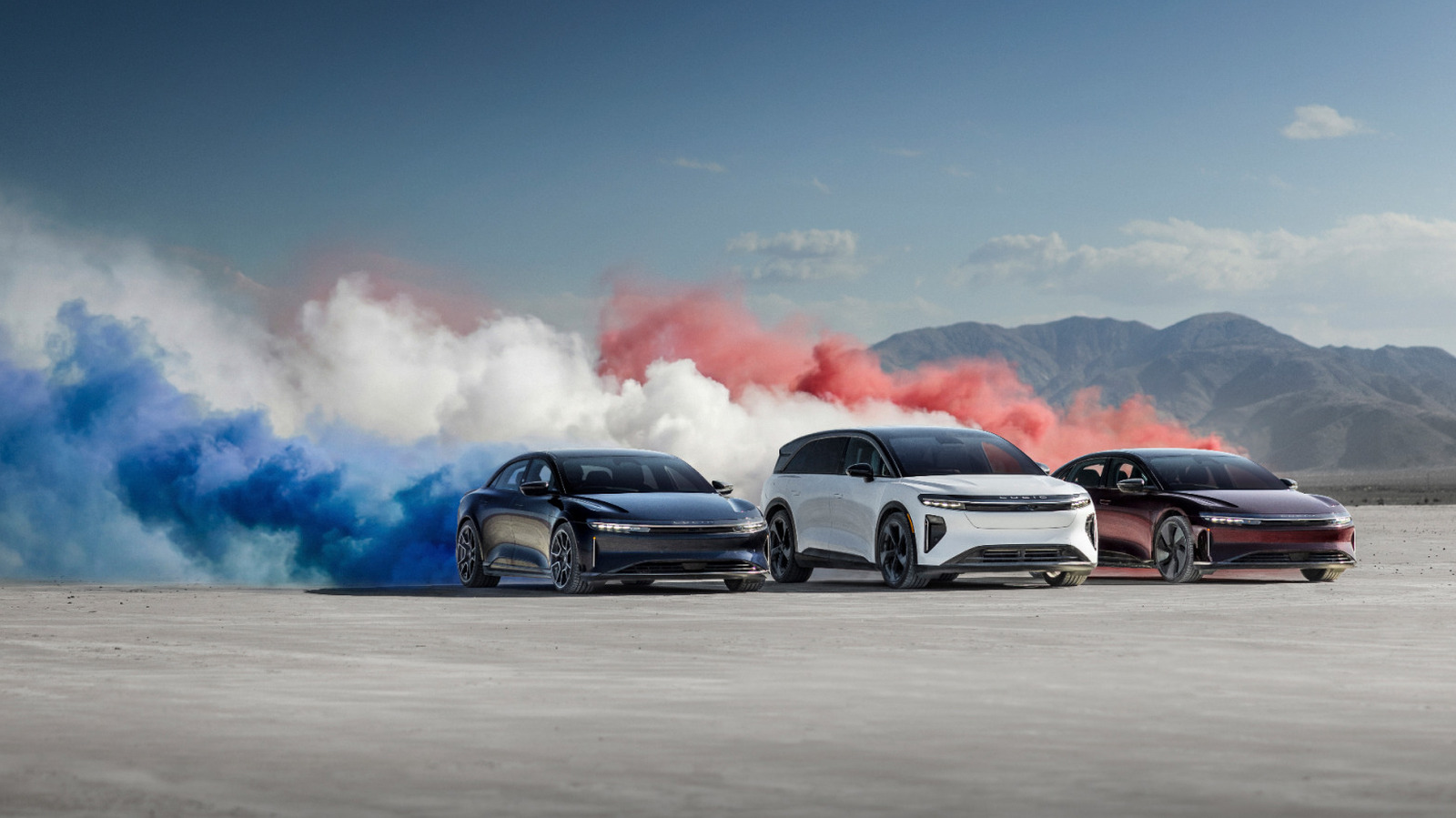
Even as advances in battery tech push electric‑vehicle (EV) range farther, drivers still notice day‑to‑day variations in how many miles a single charge will deliver. Knowing which routine actions and conditions sap an EV’s battery most quickly enables owners to stretch their mileage and map trips more wisely.
Speed tops the list of factors that accelerate energy use. Aerodynamic drag climbs dramatically with higher velocities, so cruising at highway speeds—or faster—forces the motor to pull significantly more power from the pack. Consequently, even a small rise in average speed can trim several miles off the projected range.
Climate‑control systems also play a sizable role. Running the air conditioner or heater pulls electricity straight from the battery, and the impact swells in extreme weather. In cold conditions the battery itself becomes less efficient, and the car may need to activate heating elements or a heat‑pump to keep the cabin comfortable, further cutting the distance you can travel.
The way you drive matters, too. Repeated hard accelerations and abrupt braking waste energy that could otherwise be reclaimed via regenerative braking. By accelerating smoothly and coasting whenever possible, the vehicle’s systems can harvest kinetic energy and preserve the battery’s charge.
Extra load considerations such as heavy cargo or towing raise the energy required to move the vehicle. The added weight forces the motor to deliver more torque, which speeds up battery drain. Likewise, tackling steep grades demands higher power output, causing a faster depletion than on level ground.
Both manufacturers and third‑party apps now offer drivers real‑time insights into these variables, often recommending optimal speed windows, climate‑control settings, and driving habits to extend range. As EV ownership expands, informing users about these practical influences helps them extract maximum mileage while cutting down on frequent charging stops.


Comments (0)
Be the first to comment.
Join the discussion