Water Voles Flourish in River Meon After Successful Reintroduction Programs
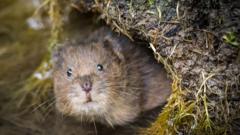
Hampshire's River Meon now boasts a thriving water vole population, signaling a major win for local conservation projects. Regular surveys conducted recently along the river have confirmed the successful re-establishment of these once-threatened rodents, providing a hopeful outlook for wildlife recovery initiatives throughout the region.
Water voles, distinct for their round faces and short tails, are semi-aquatic creatures crucial to robust river ecosystems. Though historically prevalent across the United Kingdom, their populations experienced a sharp decline over the last century, leading to their classification among the nation's most rapidly vanishing mammals. The positive results observed on the River Meon showcase the potential for focused conservation to reverse these trajectories.
Several factors contributed to the reduction in water vole populations, including habitat destruction stemming from development and evolving agricultural techniques, in addition to water contamination. Yet, a major contributor to their plummeting figures was the introduction and subsequent spread of the non-native American mink, a highly effective predator that severely impacted susceptible vole communities.
To address this ecological emergency, committed conservation organizations and environmental bodies launched ambitious reintroduction initiatives. These undertakings typically involve meticulous habitat restoration, including the management of bankside vegetation and the creation of appropriate burrowing spots, followed by the release of water voles, often sourced from captive breeding programs or relocated from thriving wild populations.
The persistent endeavors along the River Meon have undeniably yielded success. Survey techniques, which often necessitate detailed searches for characteristic signs such as burrows, feeding remnants, and droppings – a process sometimes informally dubbed 'poles and holes' because of the equipment and methods employed – have consistently produced favorable results, signaling a resilient and expanding vole community.
This accomplishment transcends the simple survival of a single species. The existence of a healthy water vole population is frequently viewed as an indicator of a flourishing river environment, considering their habitat needs align with those of many other species. Their return signifies enhanced biodiversity and ecological equilibrium within the River Meon catchment, benefiting the entire local ecosystem.
Looking ahead, sustained monitoring of the River Meon's water voles will be vital to guarantee their enduring stability and to guide future conservation approaches. This achievement offers a valuable model for other reintroduction endeavors and emphasizes the significance of ongoing investment in habitat preservation and species recovery programs to protect Britain's native wildlife for future generations.


Comments (0)
Be the first to comment.
Join the discussion