USB‑C Drives Grow in Popularity, Yet USB‑A Stays Widely Used
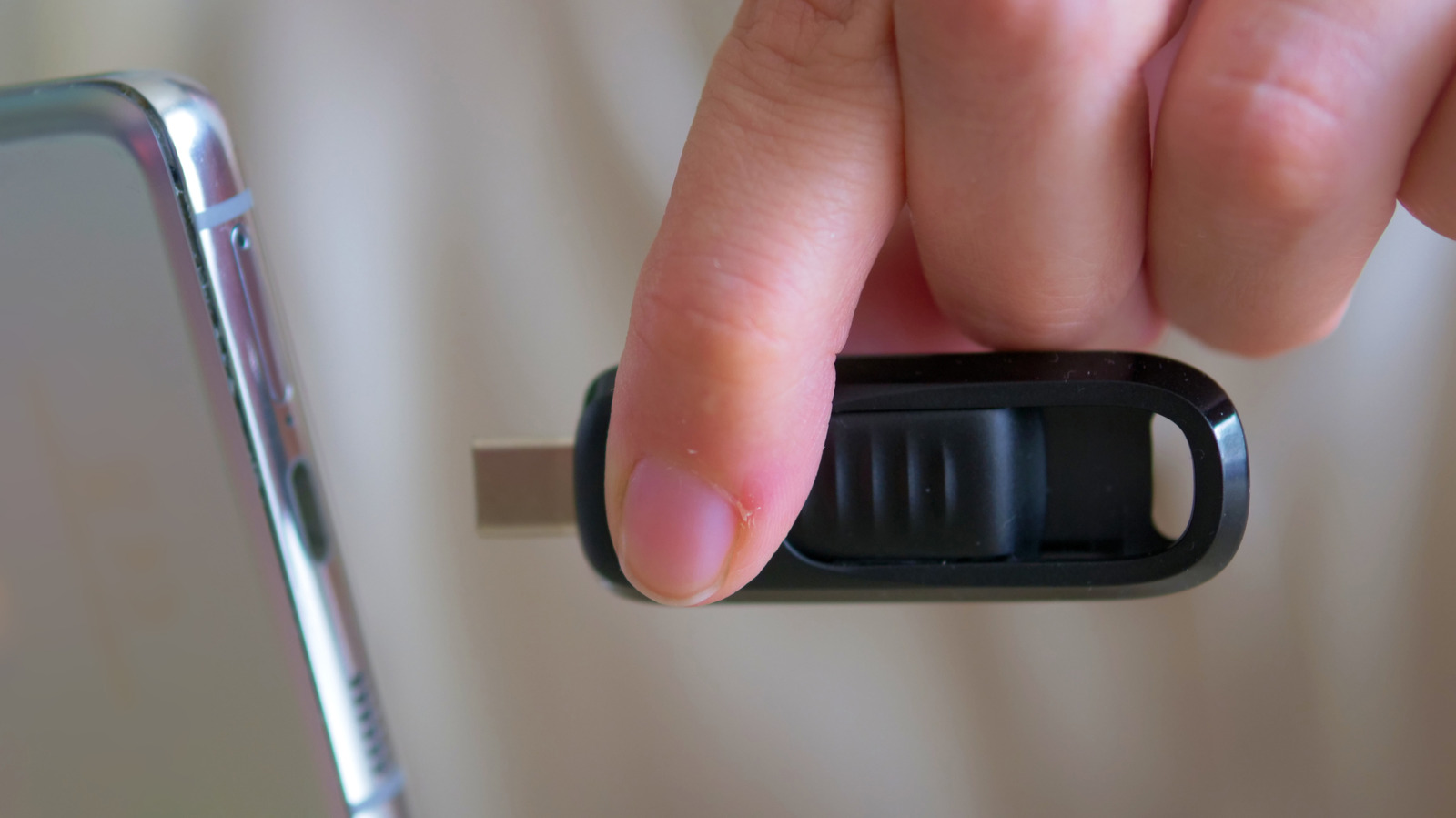
Store aisles and office‑supply listings are now showing more USB‑C flash drives, mirroring the overall move to the reversible, thinner connector that powers the majority of recent smartphones, laptops and tablets. Although this newer shape provides storage sizes identical to those of USB‑A drives, its plug can be inserted either way, a benefit that both makers and users are starting to appreciate.
Even with USB‑C becoming more common, the legacy USB‑A port is far from dead. A substantial fleet of desktop PCs, older laptops and peripheral gear still depends solely on the rectangular socket, so numerous users keep USB‑A drives on hand to work with older machines. Consequently, retailers keep inventory of both variants, and many flash drives are offered with dual adapters to span the divide.
Speed variations between the formats depend mostly on the USB generation they employ, not on the plug design. A USB‑C stick supporting USB 3.2 can achieve transfer rates on par with a USB‑A unit built to the same spec. In contrast, a USB‑C device capped at USB 2.0 will fall short of a contemporary USB‑A 3.0 model. Therefore, shoppers should verify the protocol rating as well as the connector style when assessing performance.
Device makers' design decisions also shape market trends. Latest flagship laptops from leading brands have shifted to USB‑C‑only ports, spurring greater demand for USB‑C storage options and motivating accessory producers to craft drives that suit the thinner frames. Still, numerous businesses keep USB‑A docking stations and older gear, guaranteeing that the legacy connector stays pertinent for the near term.
Going forward, the sector is projected to keep its steady shift toward USB‑C as additional devices embrace the standard. Yet the simultaneous presence of both connectors will probably endure, with dual‑interface flash drives and adapter cables offering a functional link. Shoppers can expect an expanded array of high‑capacity, rapid‑transfer USB‑C drives, while USB‑A will remain in use as long as legacy equipment stays functional.


Comments (0)
Be the first to comment.
Join the discussion