Updated Clinical Guidelines Focus on Heart‑Kidney Link to Lower Disease Risk
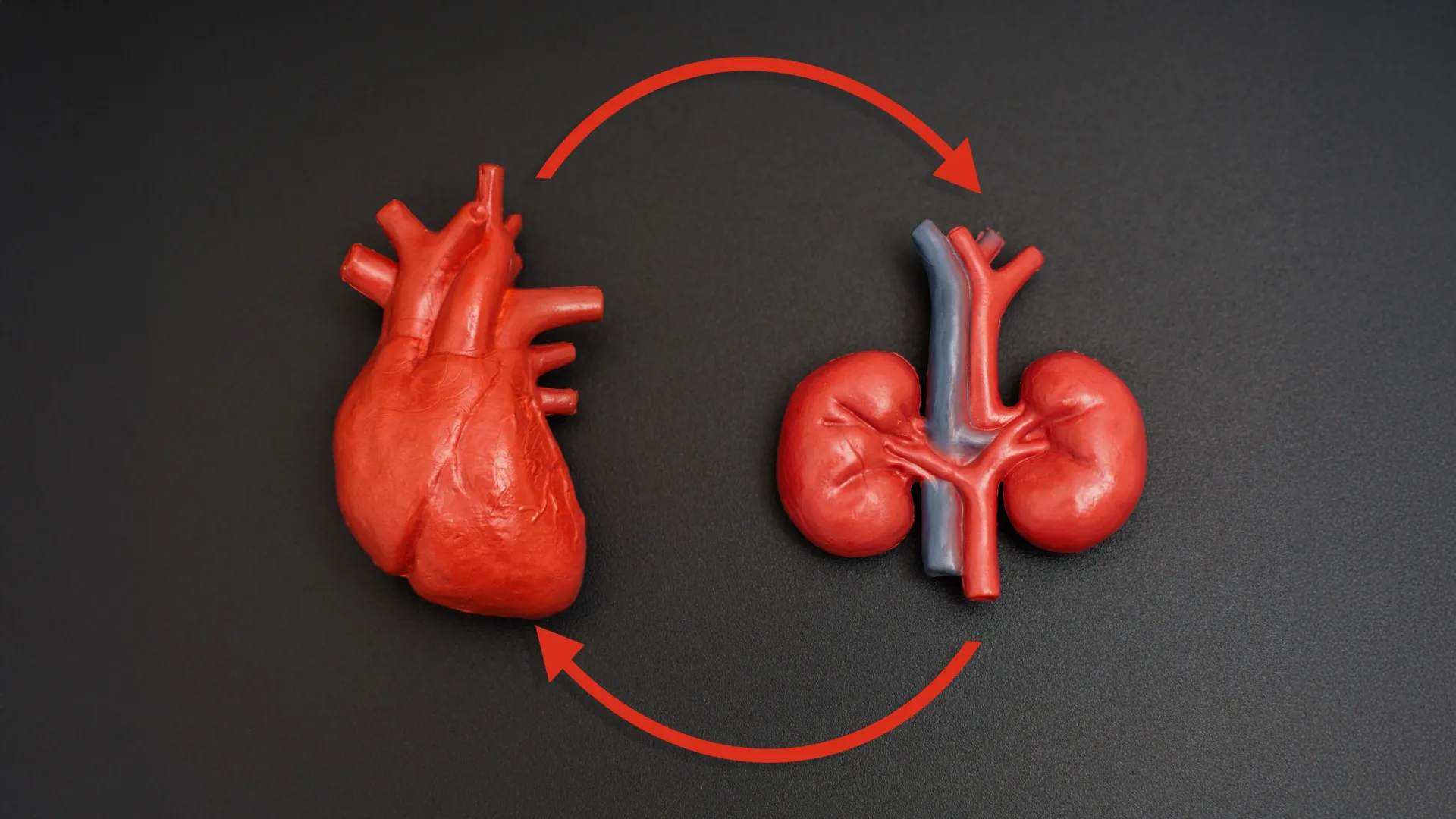
This week, health authorities issued new clinical guidelines urging regular assessment of cardiac and renal function in anyone diagnosed with either condition, aiming to break the damaging cycle that fuels increased cardiovascular incidents and kidney failure.
Cardiovascular disease and kidney disease are closely linked; cardiac injury can diminish renal perfusion, whereas reduced kidney function can raise blood pressure and encourage plaque formation in arteries. Common risk factors—including diabetes, hypertension and smoking—heighten the chance that deterioration of one organ will speed the decline of the other.
The recommendations highlight inexpensive, readily accessible examinations. For patients with established heart disease, a standard blood test measuring creatinine and glomerular filtration rate together with a protein dipstick urine test can detect early renal injury. In the opposite direction, individuals with chronic kidney disease should receive a basic electrocardiogram or cardiac biomarker panel. The guidelines contend that spotting problems early opens a chance to apply evidence‑based treatments before permanent harm occurs.
Treatment advice mirrors current best‑practice protocols but urges earlier start times. Drugs that inhibit the renin‑angiotensin system—namely ACE inhibitors and ARBs—are emphasized for their combined effects on lowering blood pressure and reducing proteinuria. Statins, tight blood‑pressure management, and lifestyle guidance are likewise reaffirmed as foundational measures that simultaneously mitigate cardiovascular and renal hazards.
Public‑health specialists point out that together, heart disease and chronic kidney disease represent a large proportion of hospital stays and medical costs. Detecting issues earlier, the guidelines seek to cut emergency visits, decelerate the move toward dialysis, and decrease heart‑attack and stroke rates in high‑risk populations.
Putting the guidelines into practice will demand cross‑disciplinary cooperation. Primary‑care providers are encouraged to apply the screening steps and quickly refer patients to cardiology or nephrology when irregularities appear. The use of integrated electronic health records and shared care pathways is suggested to facilitate this teamwork.
Although the advice rests on current evidence, officials recognize that widespread adoption will hinge on insurer policies, patient education, and ongoing studies to improve risk‑prediction tools. Should the early‑detection approach be broadly accepted, it could transform outcomes for the millions confronting the combined danger of cardiac and renal disease.


Comments (0)
Be the first to comment.
Join the discussion