Unearthing the Diet of Flores' 'Hobbits,' Offering Fresh Perspectives on Hominin Evolution
Fresh discoveries regarding the eating habits of Homo floresiensis, the small hominin species commonly referred to as 'Hobbits,' are yielding significant information about their evolutionary path. These distant relatives of present-day humans inhabited the Indonesian island of Flores until around 60,000 years ago, adapting to a distinctive ecosystem where their diet now paints a more vivid portrait of their methods for survival.
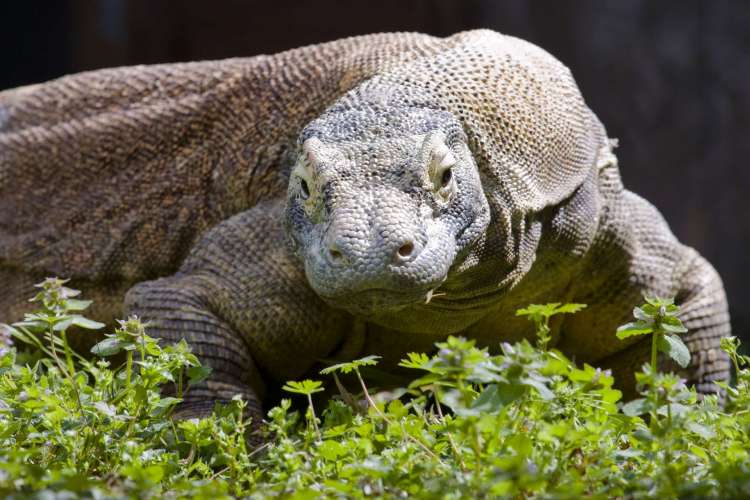
The island of Flores boasted extraordinary wildlife, such as enormous rats, fearsome Komodo dragons, and a peculiar type of pygmy elephant. Its secluded nature promoted unusual evolutionary trajectories, giving rise to phenomena like island dwarfism, which probably influenced the size of both Homo floresiensis and the elephants coexisting in their environment.
Investigations of archaeological discoveries, especially the simultaneous presence of Homo floresiensis remains alongside those of pygmy elephants, powerfully indicate a notable link in their diets. This material suggests that these compact hominins either actively pursued the smaller elephants for food or expertly salvaged meat from their remains. Such an adjustment to their eating patterns would have been vital for their continued existence on an island characterized by particular resource access and formidable predators.
Homo floresiensis' capacity to utilize such sizable, albeit miniaturized, food sources underscores their ingenuity and flexibility. Comprehending their dietary habits assists researchers in reconstructing how this distinct hominin line flourished over tens of millennia within a demanding setting. It emphasizes the varied assortment of survival tactics employed by ancient human kin outside of Africa.
These revelations substantially advance our general comprehension of hominin evolution, specifically concerning how various species adjusted to distinct ecological roles. The dietary versatility implied by the elephant remnants points to an advanced grasp of their surroundings and available provisions, possibly hinting at a degree of mental capability and collaborative conduct essential for such undertakings.
Continued investigation into the precise kinds of elephant bones and their related archaeological settings could yield even more granular data on hunting methods, butchering processes, and the overarching societal arrangements of Homo floresiensis. Every subsequent finding from Flores consistently deepens our appreciation for the intricate and multifaceted mosaic of human lineage, demonstrating the true diversity among our ancient forebears.



Comments (0)
Be the first to comment.
Join the discussion