UK Vendor Offers 128‑Core HP Server for $700, Delivering Huge Compute Power at a Fraction of Cost
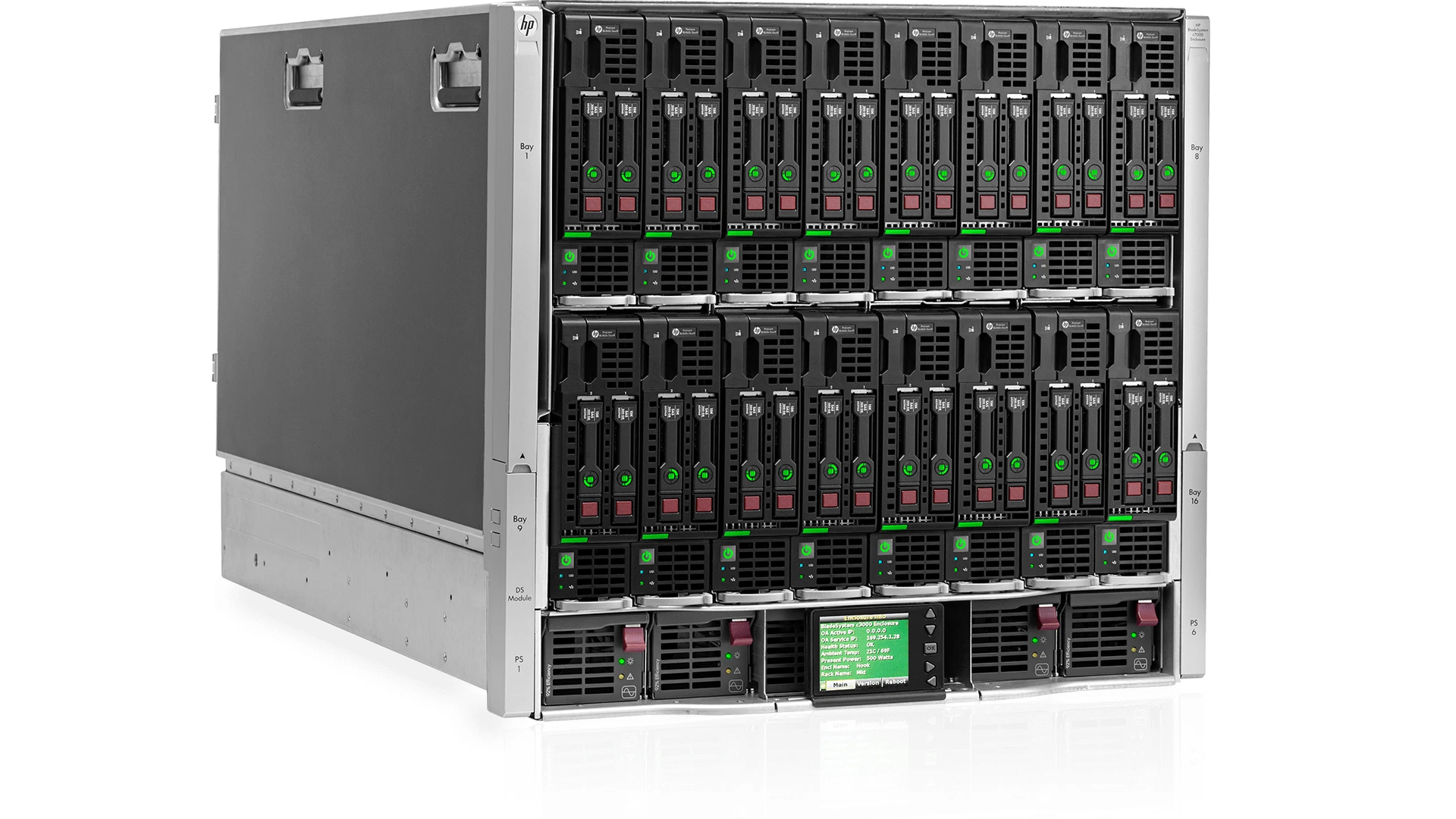
NomadUK, a reseller based in the United Kingdom, is advertising a heavily equipped HP C7000 blade server for $700—a price that sharply undercuts its original price tag of more than $4,000. The advert specifies a setup containing sixteen Intel Xeon CPUs, amounting to 128 cores and 256 threads, and equipped with a substantial 1 TB of DDR3 RAM.
Originally sold as a high‑density chassis for enterprise data centers, the C7000 case holds sixteen separate blades. Every blade is fitted with an eight‑core Xeon processor, adding up to the total CPU count. With a total of one terabyte of memory, the system ranks among the most memory‑dense units presently available on the secondary market, per the seller’s description.
A discount of this magnitude is rare in the second‑hand hardware arena, where vintage servers usually trade for a reduced portion of their retail price but seldom drop to just one‑tenth. Experts suggest the gap stems from the platform’s age, the shift from DDR3 to more recent memory technologies, and the likely expenses of supporting legacy equipment. Still, the massive processing power and memory capacity may appeal to specialised purchasers—research laboratories, hobbyist clusters, or small companies looking to trial high‑performance tasks without hefty capital investment.
Although Intel’s Xeon family is no longer state‑of‑the‑art, it continues to be valued for dependability and support for server‑class capabilities such as ECC memory and sophisticated virtualization. The sixteen‑CPU configuration delivers parallelism sufficient for intensive workloads like scientific modelling, large‑scale rendering, or expansive virtualised settings, provided the supporting infrastructure—power, cooling and networking—can accommodate the chassis.
Commentators note that the secondary‑market sale of such compact configurations highlights a wider pattern: an expanding demand for refurbished enterprise gear as firms aim to prolong the usefulness of older hardware. Though the server cannot rival the performance of modern machines built on newer silicon, its low price creates an attractive gateway for those willing to accept greater power draw and outdated I/O. Prospective purchasers will likely balance the savings against ongoing operating costs and the work needed to fit the unit into present‑day data‑center setups.



Comments (0)
Be the first to comment.
Join the discussion