UK policing minister pledges stricter regulation of live facial‑recognition cameras
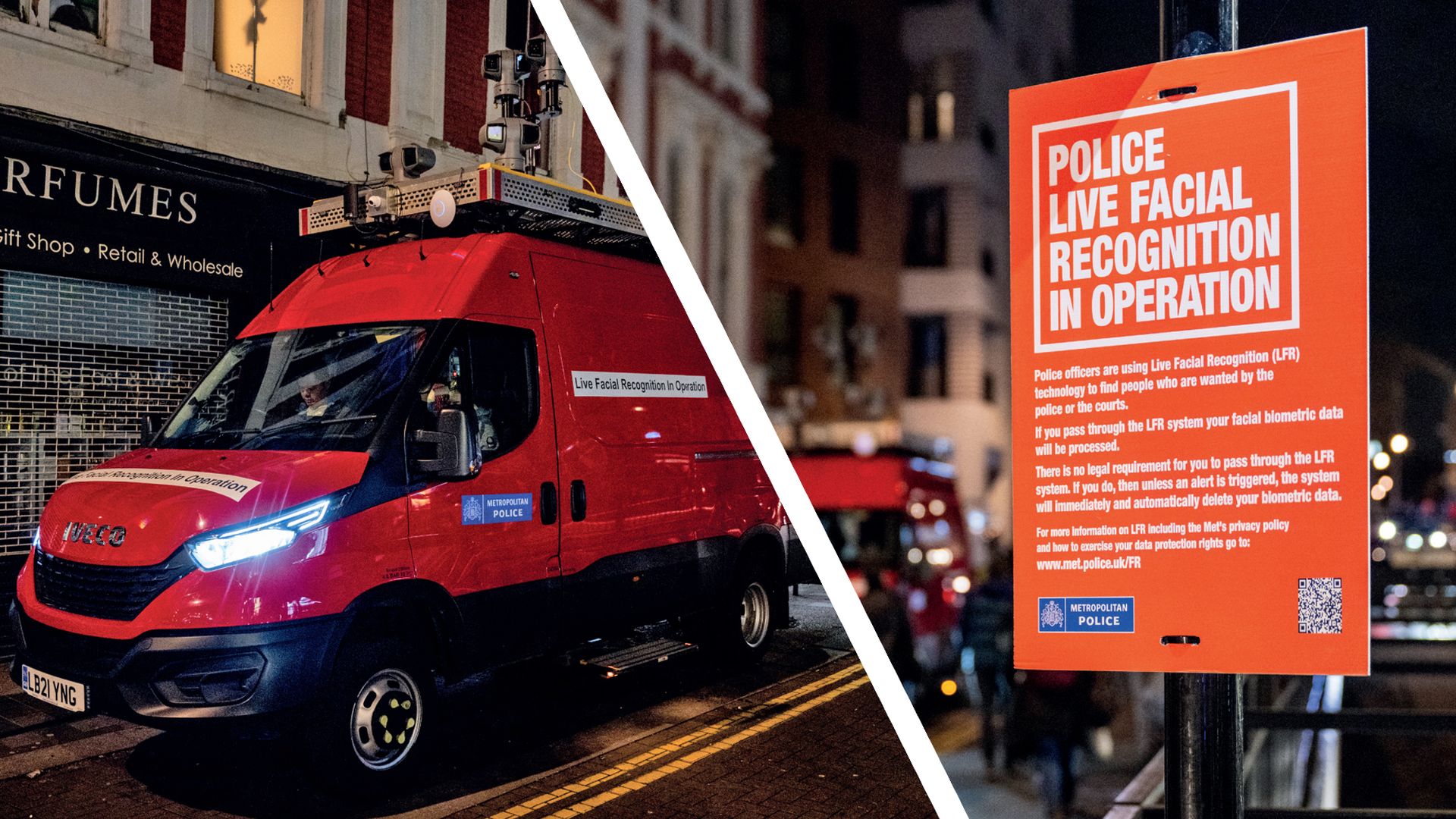
On Thursday, Britain's policing minister Sarah Jones announced that the government intends to draft legislation aimed at tightening the regulations surrounding live facial‑recognition systems employed by police forces. The statement comes after a wave of public criticism and a consultation that wrapped up earlier this year, which reviewed the technology's deployment throughout the United Kingdom. Jones presented the initiative as a reaction to worries that existing practices lack clear accountability and may breach individual privacy.
Several police forces have deployed live facial‑recognition cameras to spot suspects instantly, frequently in crowded venues like train stations and city centres. Supporters claim the technology speeds up investigations and acts as a crime deterrent, whereas critics caution that it can generate false matches and be applied indiscriminately. These systems function by comparing captured faces with law‑enforcement databases, prompting concerns over the breadth of data collection and storage.
Privacy groups such as the Open Rights Group and Privacy International have consistently labeled the cameras an “an indiscriminate tool” that endangers civil liberties. Their advocacy points to incidents where people were mistakenly flagged, resulting in unwarranted police stops and, at times, public humiliation. The organisations are urging a statutory framework that obliges impact assessments, caps retention periods, and mandates independent oversight prior to any deployment.
The public consultation that concluded earlier this year collected feedback from a wide range of stakeholders, from community groups to technology experts. Although most respondents endorsed the possible safety advantages of facial‑recognition, they also called for stronger safeguards. In its summary, the government highlighted that participants were especially uneasy about the absence of transparent criteria governing when and where the cameras may be deployed.
Jones suggested that the upcoming regulations will probably mandate reporting of every deployment, impose tight restrictions on data sharing, and require judicial or independent review before authorising live scans. Lawmakers are slated to discuss the proposals over the next few months, with the Home Office pledging a "balanced" approach that safeguards both public safety and fundamental rights. Should the measures be enacted, they could establish a benchmark for other European countries wrestling with the technology and potentially influence future court rulings on the admissibility of facial‑recognition evidence.



Comments (0)
Be the first to comment.
Join the discussion