U.S. Water Costs Surge 62% Over Ten Years, Interactive Map Shows Regional Disparities
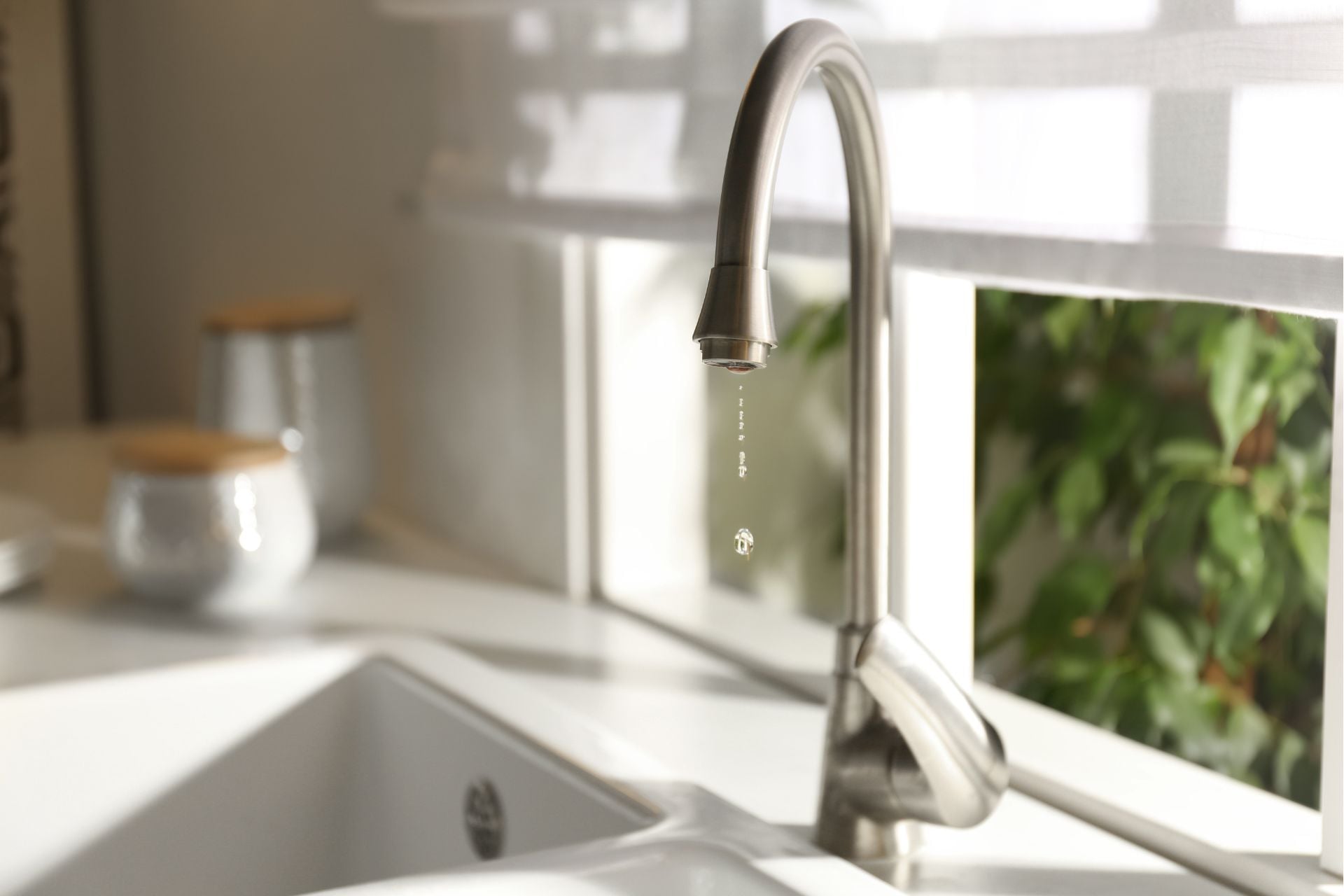
A newly published analysis shows that the typical U.S. household water bill has climbed about 62 % in the last decade, and an interactive map now pinpoints the states and cities where consumers are paying the steepest rates. The figures, drawn from utility filings and consumer surveys, highlight an upward trend that outstrips inflation and many other household costs.
The report indicates the national average rose from roughly $35 a month in 2013 to more than $57 in 2023. While some areas have seen only modest increases, others have jumped to twice the original price, pushing monthly bills above $100 for residents in parts of the Southwest and the Northeast. The map displays these gaps, letting users compare cost trajectories across counties and metro regions.
Experts attribute much of the surge to the increasing dominance of large corporate water providers. In the past twenty years, a great many municipal systems have been privatized or have signed long‑term contracts with for‑profit operators, a move that typically results in higher rates to recoup capital outlays and deliver shareholder returns. Critics say the scarcity of competition in many markets lets these firms hike fees with little oversight.
Climate change adds to the financial pressure by worsening droughts, floods and water‑quality problems. Utilities must now fund sophisticated treatment plants, expand storage, and upgrade aging pipelines to handle more volatile supply conditions. Those extra capital costs are usually transferred to customers, raising the price of a utility many view as a basic right.
Federal underinvestment in water infrastructure further complicates matters. Decades of insufficient funding have left a large share of the nation’s pipes, treatment facilities and distribution networks in deteriorated condition. In the absence of strong federal grants or low‑interest loan programs, local authorities and private operators are forced to cover repair expenses themselves, often by raising rates. The study concludes that the mix of corporate control, climate stressors, and weak public investment creates a perfect storm for climbing bills.
The data have sparked renewed calls for policy changes at state and federal levels. Consumer‑advocacy groups are pressing legislators to tighten rate‑setting oversight, boost funding for infrastructure renewal, and explore public‑ownership models where appropriate. As water affordability becomes a pressing concern—especially for low‑income households—future laws may focus on pricing transparency and incentives for resilient, low‑cost water solutions.
%20ILLUSTRATION%20Isadora-Ayesa%20Lima%20SOURCE%20Amazon.jpg)

Comments (0)
Be the first to comment.
Join the discussion