Trump Administration Blocks Microsoft and Other Tech Companies from Using H‑1B to Green Card Pathway
On Thursday, the White House disclosed that Microsoft Corp. along with several other tech firms have been stripped of eligibility for a federal scheme that previously assisted H‑1B visa holders in moving toward permanent residency. Consequently, these companies can no longer sponsor those foreign employees for employment‑based green cards through the long‑standing pathway.
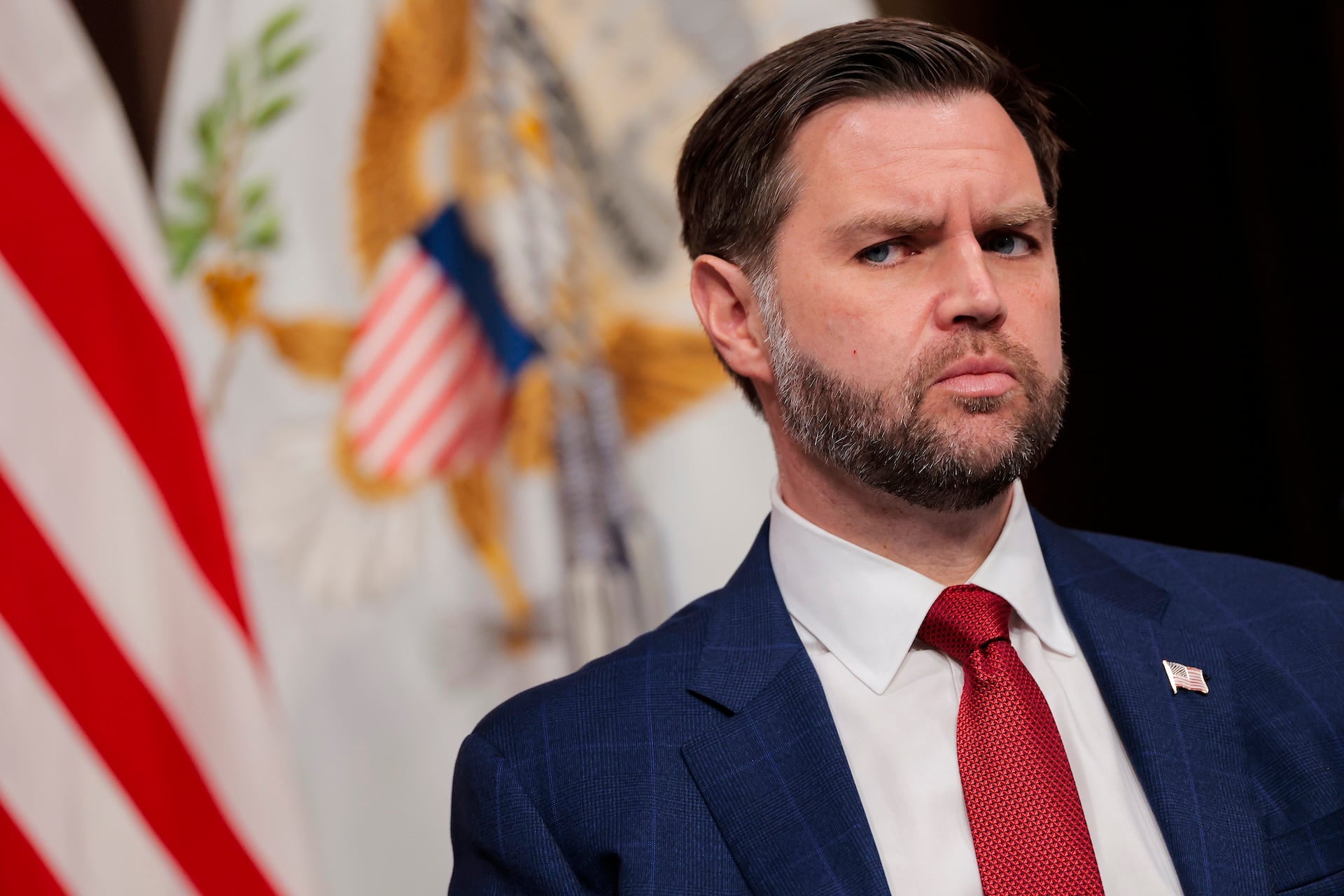
Vice President JD Vance revealed the decision, stating that the administration is tightening immigration regulations to give precedence to American workers. He stressed that the adjustment is part of a wider initiative to limit what officials label as “unfair competition” from foreign talent in the high‑skill labor market.
Previously, qualifying employers were allowed to submit labor‑certification petitions for their H‑1B staff, a step that frequently acted as the initial move toward a green card. The suspension closes that route for the listed firms, compelling them to turn to other, typically longer, immigration pathways or to modify their hiring approaches.
This policy change fits within the Trump administration’s long‑standing agenda of limiting legal avenues for foreign labor. Prior steps have involved tightening H‑1B eligibility standards, intensifying review of employer filings, and lifting minimum‑wage thresholds for particular visa classes. Detractors contend that these actions may hinder the tech industry, which has historically relied on a continuous flow of skilled immigrants to occupy specialized positions.
Observers in the industry point out that Microsoft has historically been a leading sponsor of foreign talent, with internal data showing a sizable share of its engineers on H‑1B visas. The prohibition may lead the firm to reassess its hiring tactics, possibly speeding up programs to train U.S. workers or relocating resources to regions with more welcoming immigration rules.
Legal scholars anticipate that the impacted companies could contest the ruling in court, arguing that the sudden shift breaks existing contractual commitments and may breach procedural due‑process norms. At the same time, the administration has indicated that the limitation might be broadened to other sectors should it see fit.
The wider ramifications are still unclear. Although the action aims to safeguard U.S. jobs, it also prompts doubts about America’s capacity to preserve its competitive advantage in technological innovation. Subsequent administrations might revisit the rule, and continuing congressional debates could influence the next version of the nation’s high‑skill immigration framework.


Comments (0)
Be the first to comment.
Join the discussion