The Purpose Behind Perforated Plug Prongs: Engineering Explained
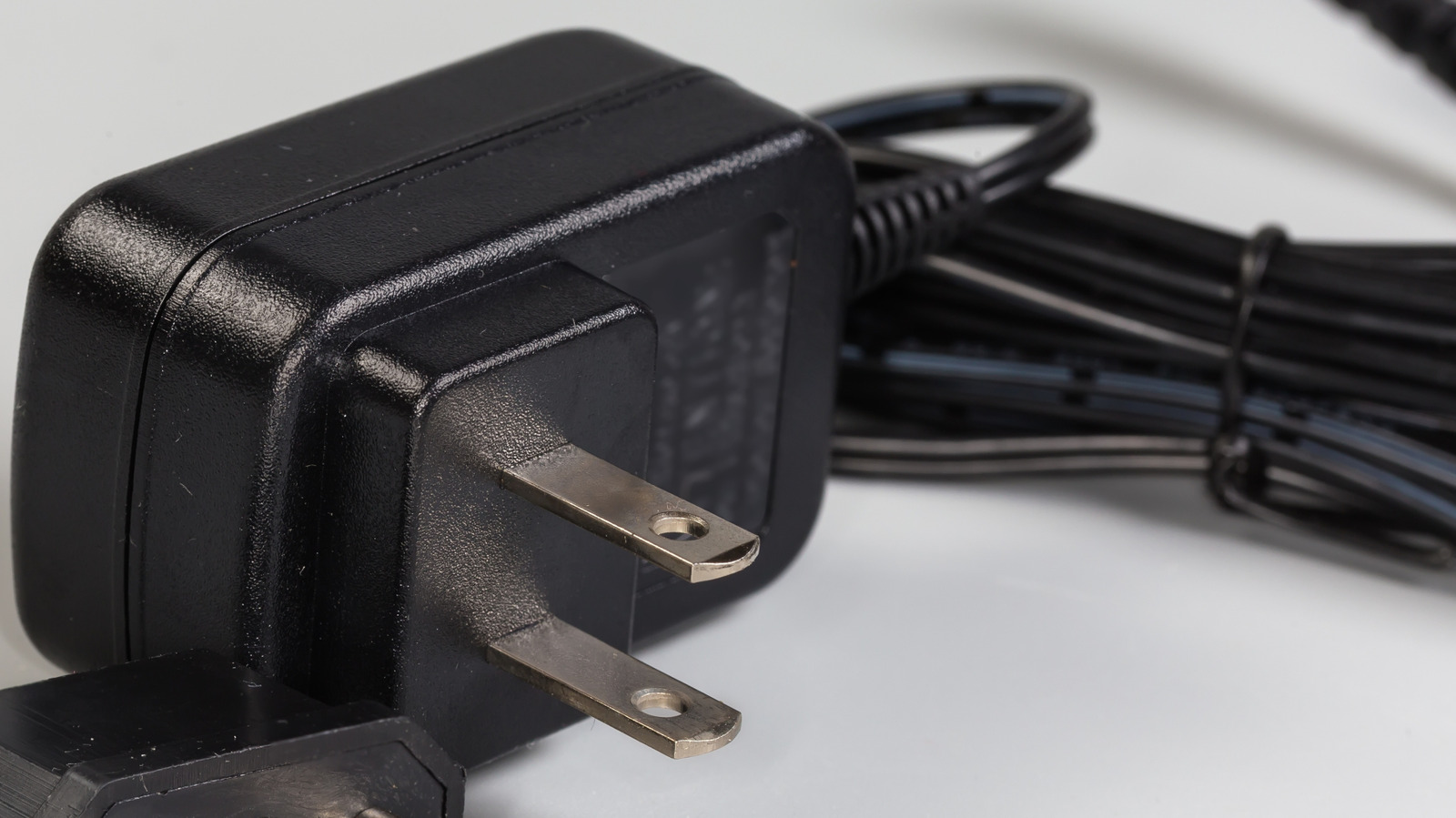
If you look closely at a typical home plug, you’ll see that several of its metal pins contain one or more round holes rather than being completely solid. These cut‑outs aren’t a stylistic oddity or a secret plot; they represent an intentional engineering choice that balances safety, durability and cost across the billions of plugs produced each year.
From a materials perspective, shaving a tiny portion of metal off each pin lowers the plug’s total weight and cuts the quantity of copper or brass needed in manufacturing. While the saving per individual plug is slight, scaling it across worldwide production yields substantial material and energy reductions, enabling manufacturers to achieve both cost‑effective and eco‑friendly objectives.
In addition to cost benefits, the perforations play a practical role in how plugs mate with outlets. Contemporary sockets frequently employ spring‑loaded contacts that clamp onto the sides of the pins to secure the electrical link. The holes provide the springs with a surface to bite into, maintaining steady pressure throughout insertion and removal. This arrangement boosts connection reliability, lessens the chance of intermittent contacts, and curtails arcing that might arise when a solid pin slides over a spring without sufficient compression.
The use of perforated pins can be traced to early‑20th‑century standards organizations, including the International Electrotechnical Commission (IEC) and the American National Standards Institute (ANSI), which formalized the practice in documents such as IEC 60884‑1. Those guidelines mandated a minimum cross‑sectional area to handle the rated current while restricting the mass of the conductor. By cutting a exact hole, engineers could fulfill current‑carrying needs without surpassing weight thresholds, thereby meeting safety rules and production limits.
Safety advantages also follow. With less metal present, the contact generates less heat during regular use, decreasing the chance of overheating in high‑current scenarios. Moreover, the holes introduce a built‑in interruption in the conductive route, which can dampen the severity of an inadvertent short circuit. If a plug is only half‑inserted, the exposed edges of the perforations are less prone to unintentionally touching live components inside the outlet, thus lowering the risk of electric shock.
Looking forward, these same concepts are shaping the development of next‑generation chargers and high‑power plugs for electric vehicles and data‑center hardware. Designers are testing bigger, strategically positioned openings that can handle increased currents while retaining the safety and robustness benefits of the traditional perforated pin. As standards adapt to faster charging speeds and greater power densities, the modest hole in a plug prong is set to stay a tiny yet vital element of everyday electrical systems.



Comments (0)
Be the first to comment.
Join the discussion