Tether Launches Small Offline AI Translators for Phones and Laptops
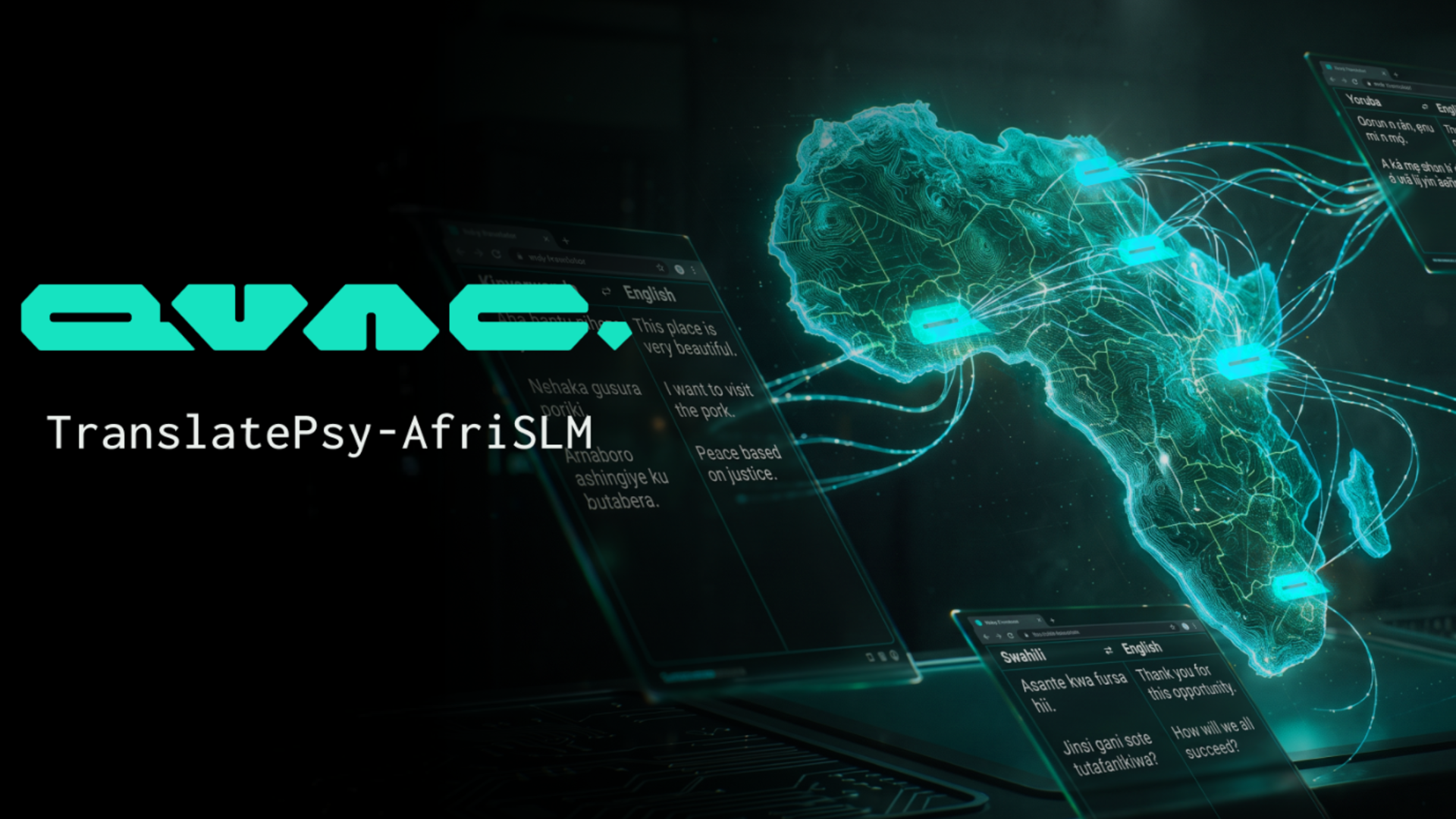
Tether AI Research unveiled a fresh collection of cost‑free translation models that operate wholly on users’ own devices, removing any reliance on an internet link. Aimed at both smartphones and laptops, the suite lets people translate text locally, without transmitting data to cloud platforms.
Its headline product, named AfriSLM, focuses on African languages and covers 19 separate tongues. In preparation for training, Tether trimmed about 96 % of low‑quality entries from its dataset, a move designed to improve precision while ensuring the model remains light enough for on‑device use.
Alongside the African model, Tether introduced EuroNano, a multilingual engine supporting 90 translation directions while taking up only 36 MB of space. Such a small footprint allows the program to run on modest hardware without loss of speed, marking a clear improvement over many cloud‑reliant options that demand continuous connectivity and much larger storage.
The launch arrives as numerous regions—especially sections of Africa and isolated locales worldwide—continue to struggle with patchy internet service. By offering offline translation, Tether seeks to dissolve language obstacles for those without steady broadband, potentially widening educational material, commercial communication, and information access in underserved areas.
Analysts point out that making the models freely available may encourage wider uptake by developers and NGOs looking for affordable language solutions. Open‑source or cost‑free models typically speed up incorporation into bespoke apps—ranging from healthcare systems to community news aggregators—broadening their impact without the burden of licensing costs.
Looking forward, Tether signals that upcoming revisions will aim to add more languages and further improve model efficiency. As on‑device AI evolves, the firm’s approach highlights an increasing shift toward privacy‑friendly, low‑latency tools that function without reliance on cloud infrastructure.


Comments (0)
Be the first to comment.
Join the discussion