Terafab Targets First Chip Delivery by Mid‑2027, Sparking Industry Skepticism
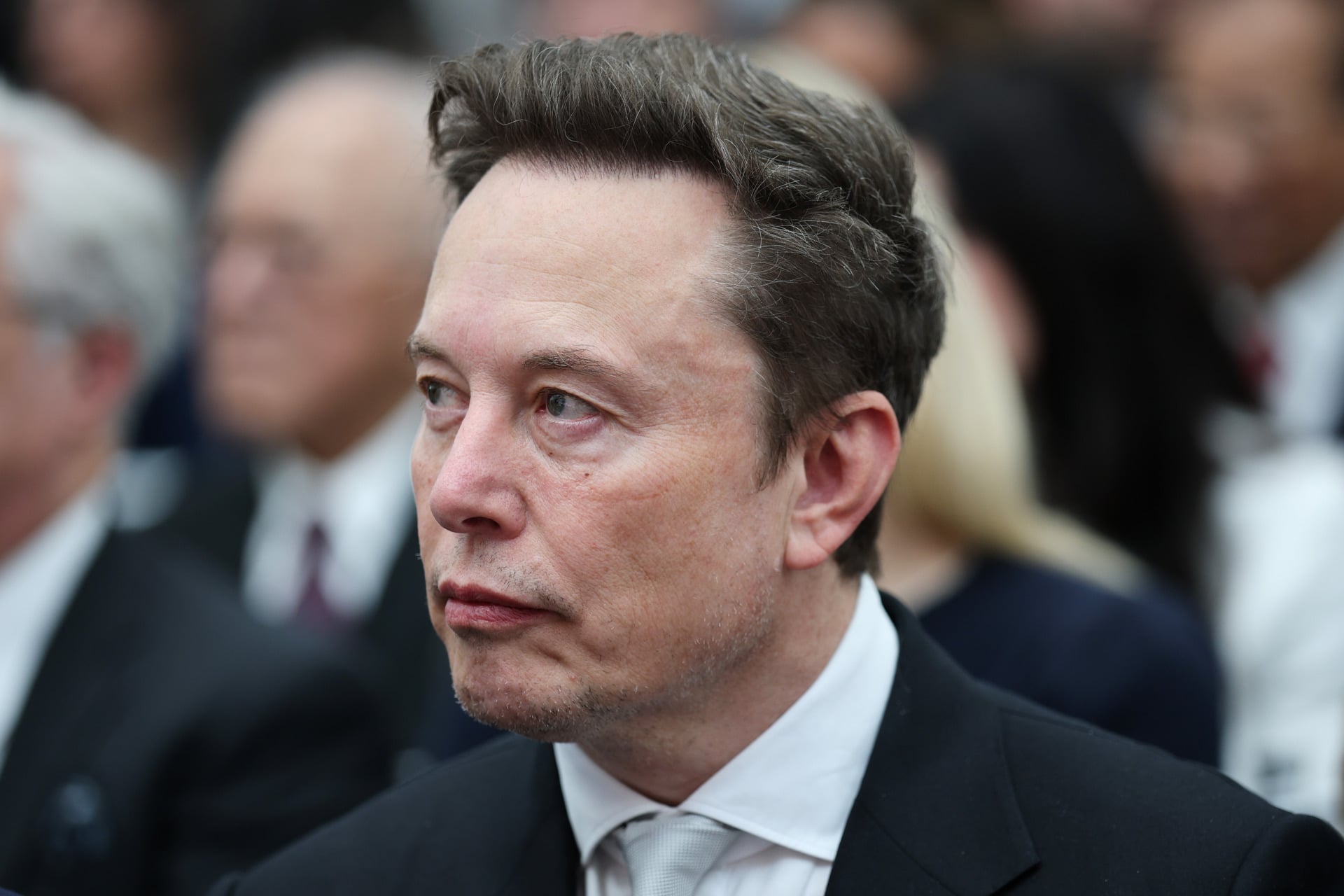
Elon Musk said his latest semiconductor manufacturing effort, named the Terafab, is set to ship its first chip by mid‑2027, a timetable that specialists deem unusually bold for a greenfield facility.
He made the statement in a recent briefing that laid out the project's milestones, stressing swift progress and an emphasis on state‑of‑the‑art process technology. Although the schedule is daring, it would demand squeezing a chain of intricate stages—design, building, equipment installation, qualification, and full‑scale production—into a period that normally spans more than ten years for pioneering plants.
Analysts point out that constructing a contemporary chip fab typically requires years of planning, assembling a qualified workforce, and managing a supply chain for highly specialized equipment. In the U.S., recent fab initiatives have needed three to five years merely to attain pilot production, with numerous projects stumbling over permitting issues, labor deficits, and the massive capital outlays involved.
In spite of those hurdles, Musk’s history of shortening development cycles in fields like aerospace and automotive has sparked conjecture that his method might reset expectations for chip making. The Terafab plans to install cutting‑edge lithography equipment and target the production of chips for high‑performance computing and artificial‑intelligence workloads, sectors that have seen demand explode lately.
Critics warn that pledging a mid‑2027 launch might ignore the complexities of clean‑room build‑out, equipment tuning, and yield optimization—elements crucial for delivering commercially viable output. A single slip could delay the timetable, as observed in other high‑profile fab projects around the globe.
Going forward, investors, tech companies and policymakers keen on strengthening U.S. chip output will monitor the Terafab’s development closely. Should Musk’s schedule prove accurate, it could set a faster benchmark for the sector; if it falters, it will likely reaffirm the prevailing view that constructing a world‑class semiconductor plant is a multi‑year, high‑risk venture.


Comments (0)
Be the first to comment.
Join the discussion