Surround Sound Systems vs. Soundbars: Balancing Deep Immersion with Simplicity
Both homeowners and renters encounter a familiar choice: whether to spend on a full‑room surround‑sound arrangement or to select the streamlined ease of a soundbar. The outcome depends on how much priority they give to immersive audio, installation difficulty, space limitations, and overall price.
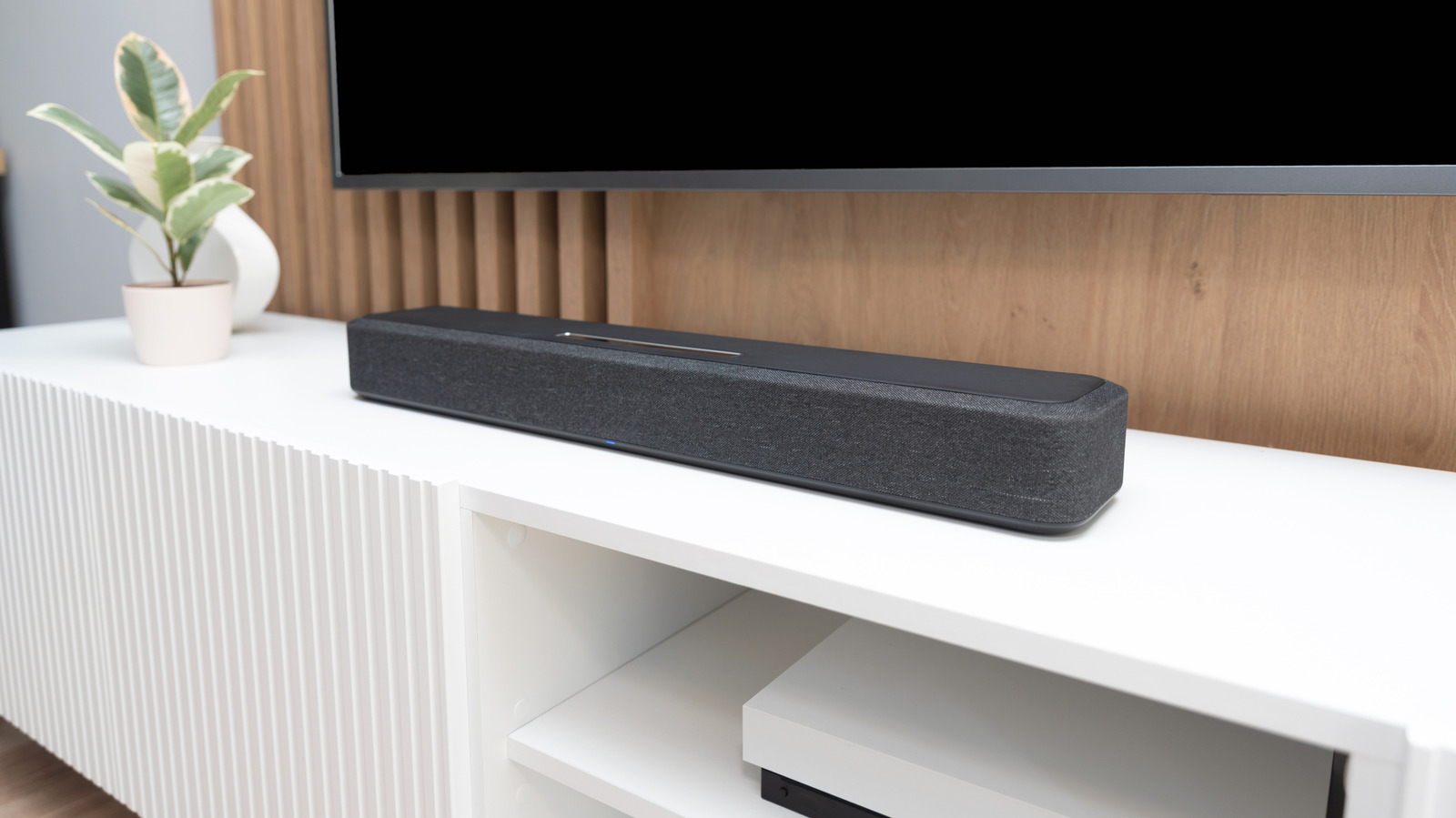
Soundbars have become the preferred option for many because they merge a small footprint with plug‑and‑play simplicity. One unit, usually paired with a modest subwoofer, can sit directly below a TV and hook up with a single cable, offering a clear improvement over built‑in TV speakers without the need for wall mounting or careful speaker placement.
By contrast, a genuine surround‑sound system spreads sound across several channels—typically five or more satellite speakers, a central dialogue driver, and a dedicated subwoofer. This layout produces a three‑dimensional soundstage that accurately renders directional cues, making movies, games and music feel more lifelike. The trade‑off is the requirement to run speaker wire, balance levels, and locate optimal listening spots, all of which add complexity and cost.
Buyers need to weigh a handful of practical factors. Convenience leans toward the soundbar: minimal assembly, fewer cables, and a silhouette that fits modern décor. Space is another issue; a full complement of speakers often demands ceiling or wall mounts and enough room to avoid acoustic interference. Budget pressures frequently tip the scales, as entry‑level surround kits can cost several times more than mid‑range soundbars, though prices vary widely by brand and feature set.
The market mirrors these compromises. Basic soundbars start at roughly $150 and can climb to $500 for models that include virtual surround processing and Dolby Atmos support. Full surround packages begin near $400 for budget makes and exceed $2,000 for high‑end, calibrated systems. For shoppers, the price gap reflects not only hardware but also the time and expertise required to install and fine‑tune a multi‑speaker configuration.
Enthusiasts who place a cinematic experience at the top of their list often deem the outlay worthwhile. Dedicated home theaters, larger living rooms, and serious gamers gain from the exact placement of front, center and rear channels, which can reproduce subtle ambient noises and directional effects that a soundbar can only approximate.
On the other hand, viewers whose main activities involve streaming TV shows, occasional movies, or casual gaming in compact apartments may find a high‑quality soundbar provides ample clarity and bass response without the inconvenience of extra hardware. The emergence of soundbars that emulate height channels and handle object‑based audio formats narrows the divide between the two approaches.
Looking forward, manufacturers are erasing the distinction by adding sophisticated processing, upward‑firing drivers and wireless rear modules to soundbar line‑ups, promising richer immersion at a lower cost. As these innovations mature, the choice is likely to evolve from a simple either‑or to a continuum of solutions tailored to individual space, budget and audio expectations.
In the end, shoppers should consider how they consume media, measure the available space, and, if possible, listen to both options. A well‑positioned soundbar can meet most everyday requirements, while a true surround system remains the gold standard for those chasing the deepest sense of presence in home audio.



Comments (0)
Be the first to comment.
Join the discussion