Surrey Pond's Record Low Highlights Urgent Need for Climate Preparedness
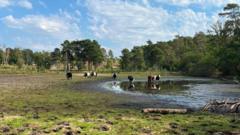
James Herd of the Surrey Wildlife Trust recently stated that he hasn't seen a particular pond's water levels so drastically reduced in the seventeen years he has been observing it. This significant environmental finding has prompted a senior representative from the trust to issue a stark warning about the escalating effects of extreme weather patterns.
This nearly two-decade low in water volume acts as a clear indicator of wider ecological shifts. Such a pronounced decline, often resulting from extended periods of dryness or insufficient rainfall, can severely impact local biodiversity and the overall vitality of wetland ecosystems, which are critical habitats for countless species.
Herd's observation is presented alongside a broader call for action, stressing the vital importance for both individuals and communities to get ready for more frequent and intense extreme weather occurrences. These events, which can include prolonged droughts, intense heatwaves, or unusually heavy precipitation, each pose distinct challenges to both natural environments and essential human infrastructure.
These fluctuations in water availability directly jeopardize wildlife relying on these habitats for survival, affecting everything from aquatic insects and amphibians to birds and mammals that depend on the pond as a water source. A persistently low water table can also modify vegetation patterns, potentially causing the loss of specialized plant life and creating a cascading effect throughout the local food web.
Organizations like the Surrey Wildlife Trust play a crucial role in monitoring these environmental shifts and advocating for proactive conservation approaches. Their efforts encompass not only tracking specific indicators, such as pond levels, but also educating the public on sustainable practices and the necessity of preserving natural resources in the face of a changing climate.
As Herd points out, preparing for extreme weather involves a variety of strategies. These might include promoting water conservation initiatives, developing more resilient landscapes capable of managing both arid and flood conditions, and cultivating community awareness about climate adaptation methods to lessen future impacts.
The specific situation in Surrey, initially reported by BBC Science, underscores a pervasive concern among environmental scientists and conservationists. It vividly illustrates the immediate and visible repercussions of long-term climatic trends, serving as a powerful reminder that adaptation and readiness are no longer optional choices but fundamental requirements for safeguarding our natural world.


Comments (0)
Be the first to comment.
Join the discussion