Super‑El Niño Predicted to Alter U.S. Winter Snowfall Distribution
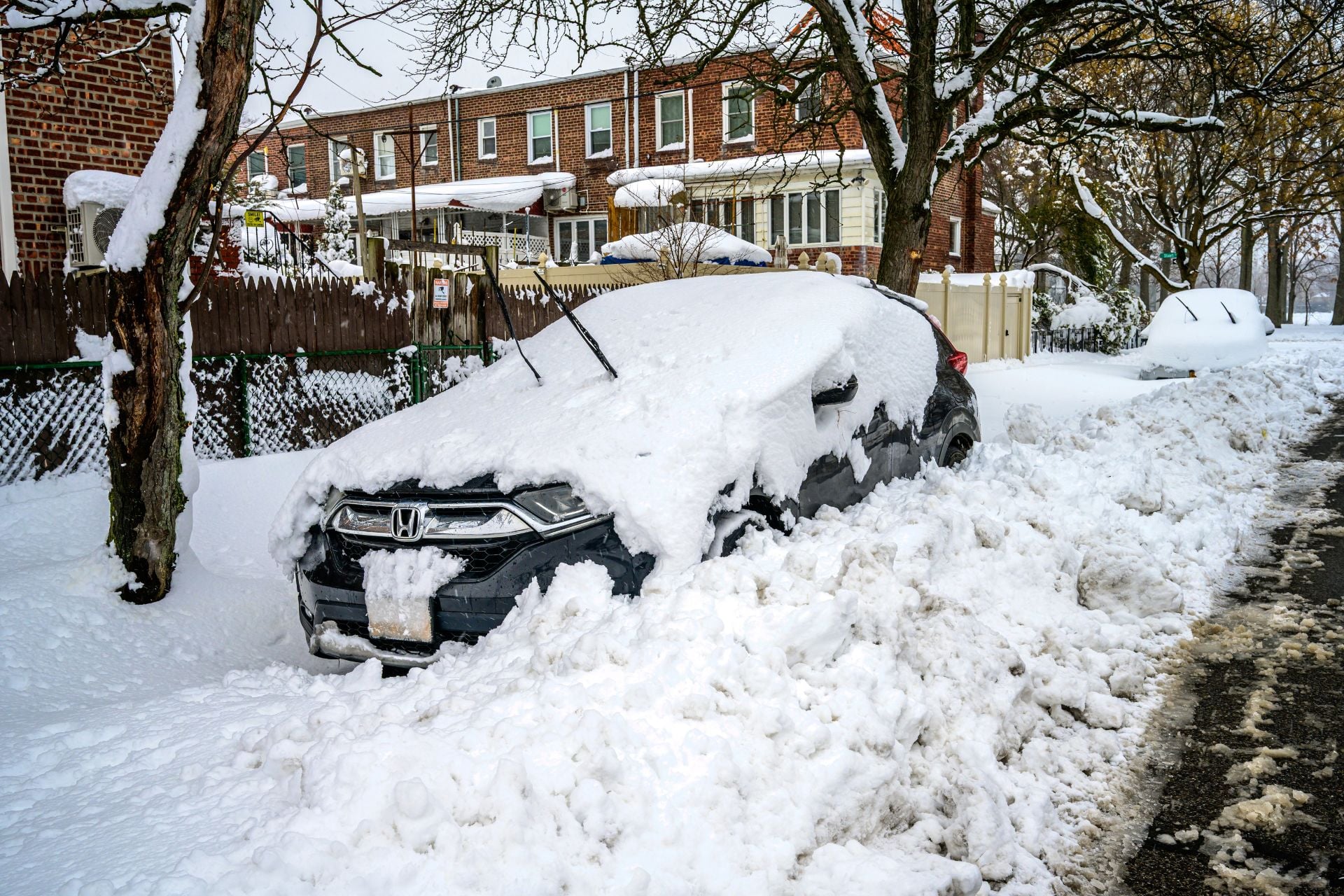
Climatologists warn that a potent El Niño event—dubbed a “super” episode—is poised to dominate the coming winter, prompting forecasts of notable changes in how snow will fall across the United States. Seasonal projections from the National Oceanic and Atmospheric Administration (NOAA) and the Climate Prediction Center note that El Niño’s strongest effects usually appear in the colder season, when interactions between the ocean and atmosphere can modify storm paths and precipitation patterns.
El Niño represents the warm phase of the El Niño‑Southern Oscillation (ENSO) and is marked by unusually high sea‑surface temperatures in the central and eastern Pacific Ocean. This year’s anomalies have reached extreme magnitudes, and the consequent atmospheric reaction can shift the jet stream, directing winter storms more to the south or east than usual. In past strong El Niño winters, the southern part of the nation has typically experienced wetter conditions, while the northern Rockies have tended toward drier, milder weather.
Meteorologists now caution that this super‑El Niño may flip some of those trends. Model output points to a strengthened subtropical jet that could funnel moisture into the Pacific Northwest, possibly delivering greater snowfall to the Cascades and northern California. At the same time, the northern Plains and Upper Midwest might experience fewer cold‑air incursions, curbing the snow totals that usually follow Arctic blasts.
The forecast for the Rocky Mountains is more nuanced. While moderate El Niño events often bring extra snow to the southern Rockies, the extraordinary warmth of this cycle could limit the deep cold required for high‑elevation snowfall, particularly at heights exceeding 9,000 feet. In contrast, the Sierra Nevada could gain from an intensified storm corridor that transports moist, low‑level Pacific air, boosting the chances of early‑season snowpacks that are vital for water resources in the western states.
Scientists stress that precise impacts remain hard to pin down, as local terrain and short‑term atmospheric fluctuations can temper the larger ENSO signal. Still, the prevailing view among forecasters is that the super‑El Niño will render winter conditions more erratic, with certain areas seeing record snowfalls while others confront atypically dry and warm weather. Throughout the season, agencies like NOAA will keep revising their seasonal outlooks, supplying communities, ski resorts and water managers with the information required to adjust to a potentially unusual winter.


Comments (0)
Be the first to comment.
Join the discussion