Suffolk County Council Halts Solar Operations at 80 Schools Due to Fire Series
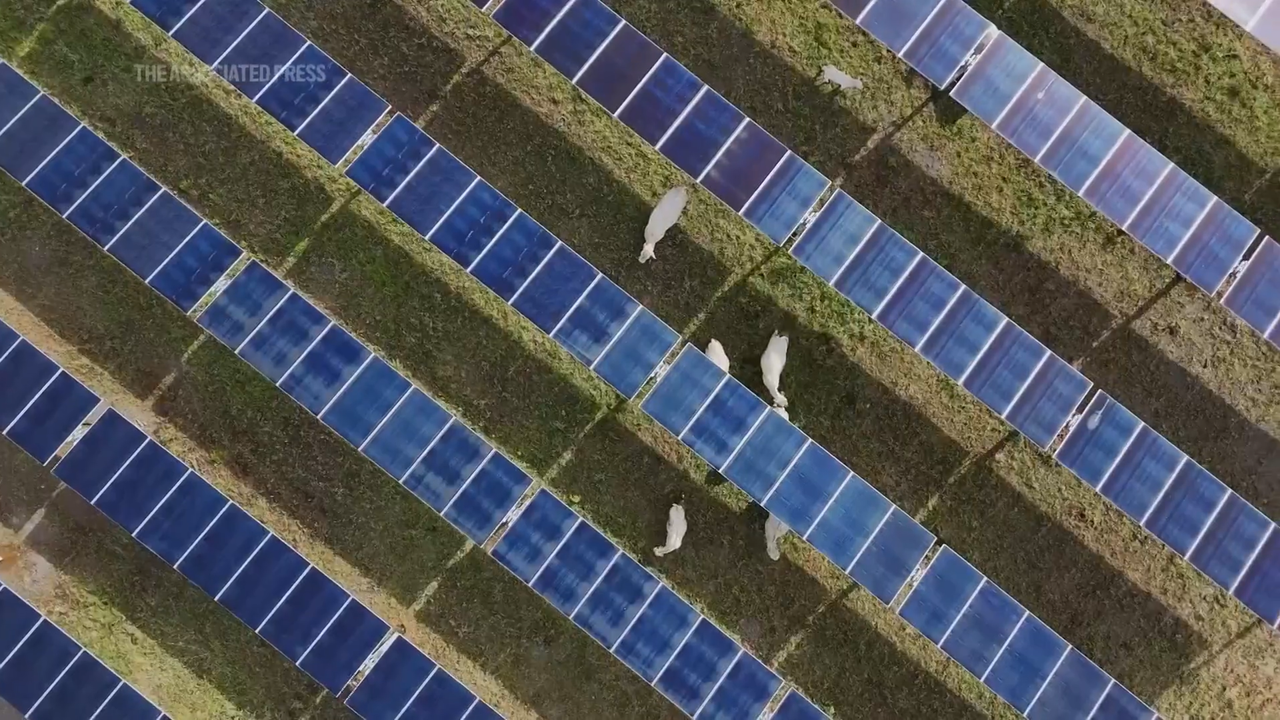
Suffolk County Council has mandated the temporary deactivation of solar panel installations across 80 educational institutions within its jurisdiction, prompted by three recent fire outbreaks associated with the photovoltaic (PV) arrays. This measure, taken to safeguard pupils and personnel, affects units predominantly erected between 2011 and 2016.
The council has affirmed that these impacted solar setups will stay offline for an unspecified period, pending a comprehensive inquiry and evaluation. This extensive deactivation underscores increasing apprehension about the operational reliability of green energy infrastructure, especially as its constituent parts mature.
These occurrences, leading to such a significant step, emphasize the vital necessity of routine upkeep for solar power systems. Even though solar panels themselves are typically seen as dependable, the electrical parts, cabling, and inverters forming a PV system naturally experience degradation over time, thereby requiring consistent checks and servicing to avert operational failures.
The immediate consequence for the schools impacted will probably be a temporary return to conventional grid electricity, which could influence their energy usage patterns and ecological objectives. Nevertheless, the council's paramount concern is the security of the educational setting, which takes precedence over the advantages of instant solar power production.
Specialists in green energy frequently stress that the durability and secure functioning of solar setups hinge significantly on following maintenance protocols and the standard of their initial deployment. Elements such as cabling, connections, and inverters, despite their inherent strength, can deteriorate or develop faults if not consistently supervised and maintained, particularly following numerous years of uninterrupted service.
The open-ended duration of this disconnection implies that a thorough examination of the design, installation, and servicing records for these particular systems will be initiated. Such an undertaking might include meticulous inspections to pinpoint recurring points of failure or distinct susceptibilities among installations from the 2011-2016 period.
Looking ahead, Suffolk County Council must identify the fundamental reasons behind the fires and formulate a plan for either mending, enhancing, or substituting the impacted systems. This scenario could additionally encourage other local authorities and organizations possessing solar installations of comparable age to re-evaluate their maintenance procedures and safety appraisals, thereby aiming to avert similar occurrences throughout broader public infrastructure.


Comments (0)
Be the first to comment.
Join the discussion