Study Shows Fast‑Applying Liquid Stops Early Childhood Tooth Decay
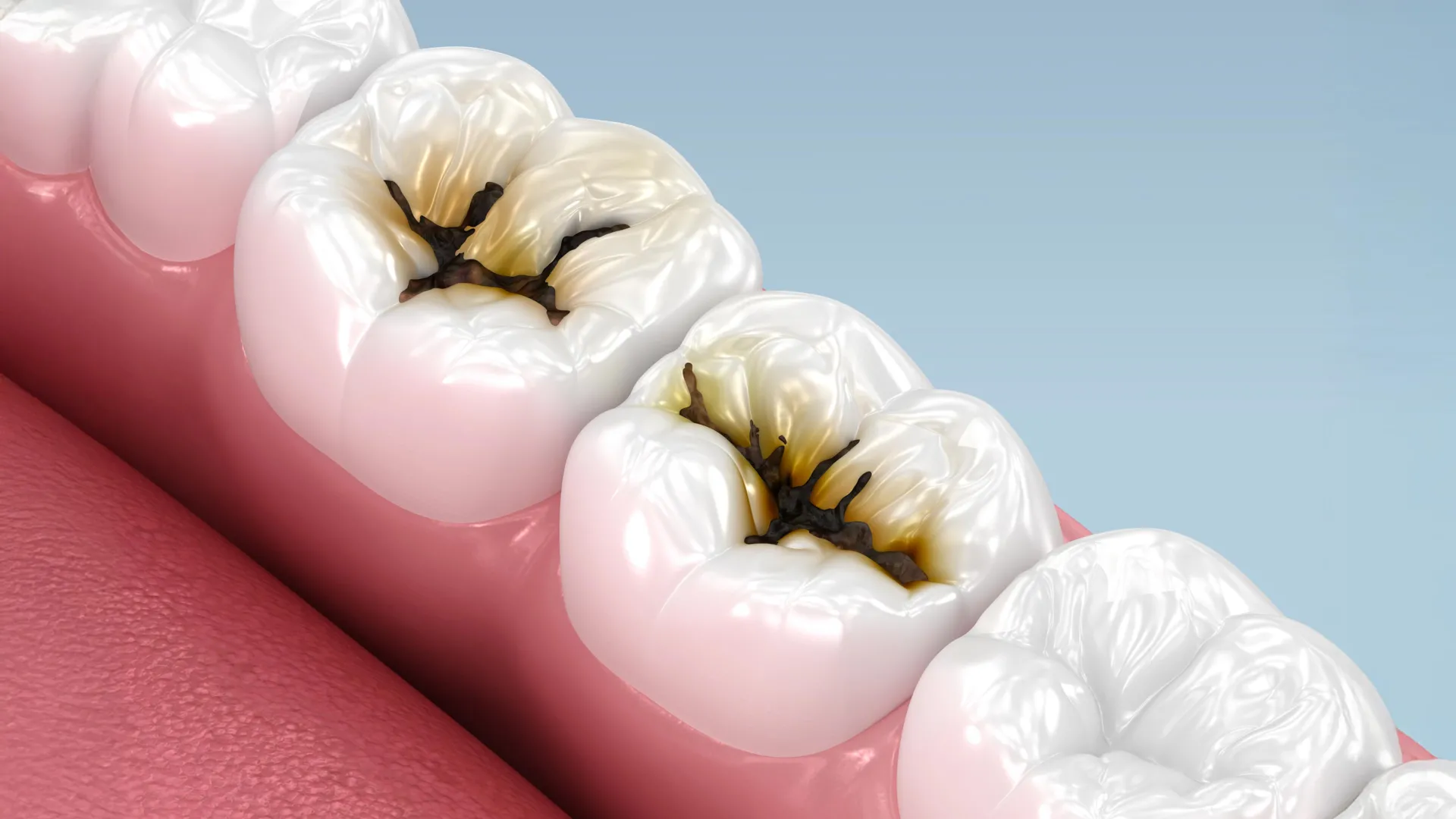
In a sizable clinical study of preschool‑aged children, investigators found that a thin, paint‑like liquid placed on teeth can halt cavity development without drilling, injections, or anesthesia. The researchers noted that the material hardens in seconds and halted early decay in the subjects, presenting a potentially pain‑free option compared with conventional restorative dentistry.
Carried out in a number of pediatric dental offices, the trial recruited several hundred youngsters showing initial signs of decay. Each child received one application of the liquid on the affected teeth, and subsequent check‑ups over the following months revealed a significant slowdown in lesion growth relative to untreated control areas. The team emphasized how straightforward the method is, pointing out that it can be carried out in a regular dental practice without special tools.
Typical cavity treatment usually requires drilling out the decayed portion and placing a filling, a procedure that can be frightening for children and sometimes necessitates sedation or general anesthesia in more serious instances. In contrast, the liquid delivers a therapeutic compound that seeps into the porous enamel and dentin, forming a shield that stops bacterial action. This technique fits within the expanding movement toward minimally invasive dentistry, which aims to retain as much natural tooth as possible.
In addition to the clinical results, the study highlighted the economic advantages of the liquid approach. Its rapid application and lack of need for costly machinery or lengthy chair time could reduce financial obstacles for families and public‑health initiatives, particularly in underserved areas with limited dental services. The investigators project that broad use might avert thousands of invasive treatments annually.
Although the findings are encouraging, the authors warn that longer‑term research is required to verify the lasting impact and to monitor any possible side effects. Current trials aim to test the liquid’s efficacy in older children and adults and to examine how it works alongside established preventive tools like fluoride varnish. Should additional studies confirm the early results, dentistry could move toward routinely using chemical decay arrest as part of early‑stage caries care.



Comments (0)
Be the first to comment.
Join the discussion