Study Connects Fructose Emission by Chemotherapy‑Resistant Cells to Ovarian Cancer Metastasis
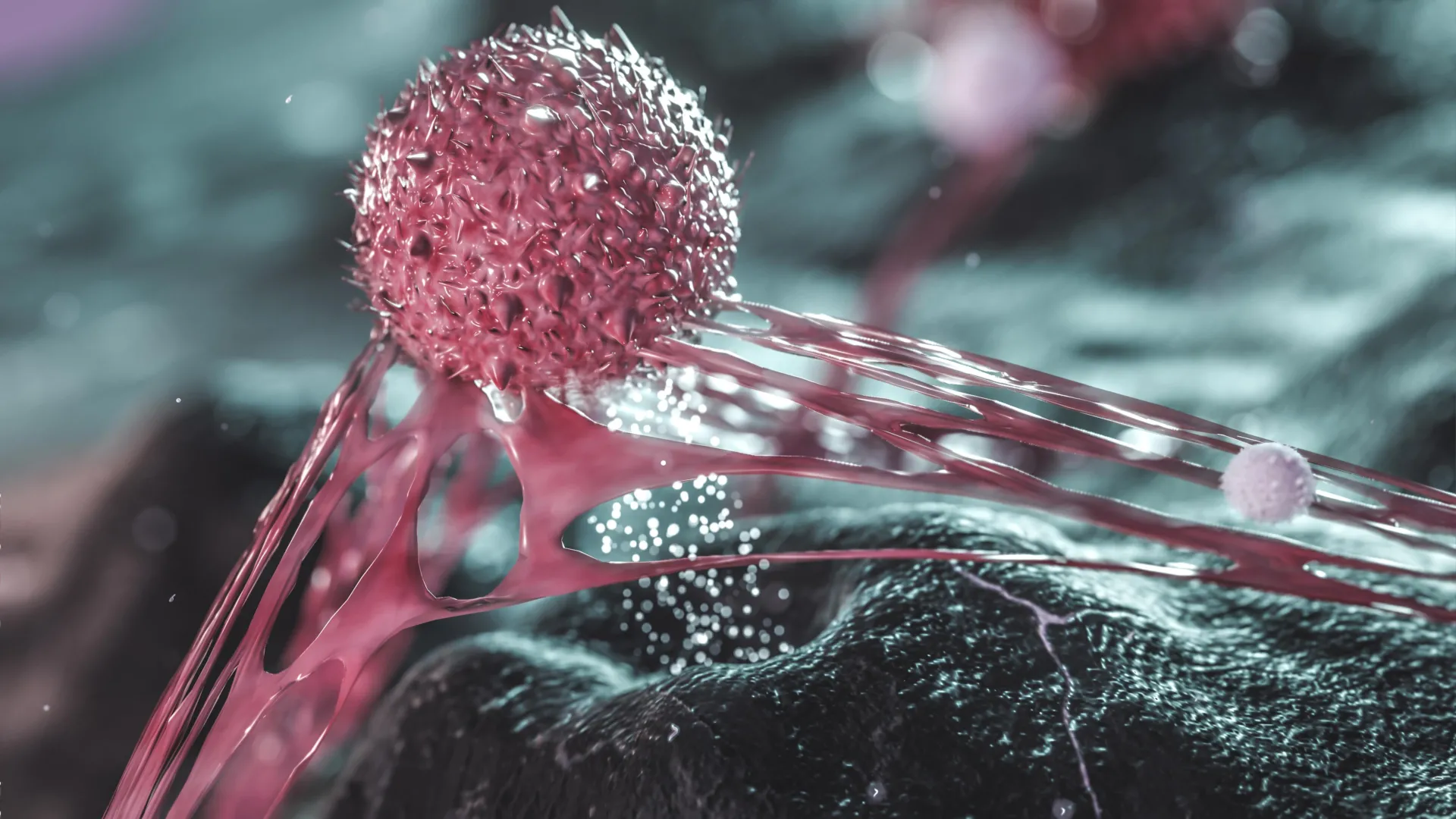
Scientists have uncovered a previously unknown mechanism by which the sugar fructose may promote dissemination of aggressive ovarian tumors. Experiments reveal that ovarian cancer cells that survive chemotherapy begin to release fructose, which then disrupts the molecular adhesions that normally keep neighboring cells together, opening a route for the disease to spread.
The investigators observed this behavior in cultured ovarian cancer cells and verified it in mouse models. Introducing fructose into the tumor milieu caused cancer cells to lower the expression of adhesion proteins and become more motile, whereas inhibiting fructose uptake restored stronger cell‑cell contacts and curtailed invasion.
Ovarian cancer continues to be one of the most lethal gynecologic cancers, chiefly because it is frequently detected at an advanced stage and often recurs after standard platinum‑based chemotherapy. Metastasis—the spread of cancer beyond the ovary to the peritoneal cavity and distant sites—is the main factor behind poor prognosis. Thus, deciphering how residual tumor cells remodel their environment is a vital research focus.
Metabolic reprogramming is a defining feature of cancer, with many tumors heavily dependent on glucose for energy and biosynthesis. Fructose, a sweetener abundant in sodas, desserts, and processed foods, has received comparatively little attention in oncology. The present data suggest that beyond acting as a fuel, fructose can function as a signaling molecule that reshapes the tumor microenvironment, aiding the detachment and migration of malignant cells.
These findings hint that dietary fructose consumption might affect disease progression, although the study does not prove a direct connection between intake and patient outcomes. More immediately, the work highlights possible therapeutic avenues: enzymes and transporters responsible for fructose uptake, such as GLUT5, could be targeted to strengthen cellular adhesion and slow metastasis.
The authors note that the experiments were performed under controlled laboratory conditions and that human biology is considerably more intricate. Clinical trials will be required to ascertain whether lowering fructose exposure—or pharmacologically blocking its pathway—delivers measurable benefits for patients receiving chemotherapy for ovarian cancer.
Future investigations will seek to confirm the mechanism in larger animal studies and to determine whether comparable fructose‑driven processes operate in other highly metastatic cancers. If validated, this could create a novel strategy for adjunctive therapies that pair metabolic interference with existing chemotherapy protocols, offering renewed hope for better survival in a disease that has long challenged clinicians.


Comments (0)
Be the first to comment.
Join the discussion