Study Connects Damage to Dopamine‑Producing Neurons with Ongoing Fatigue and Brain Fog in Long COVID
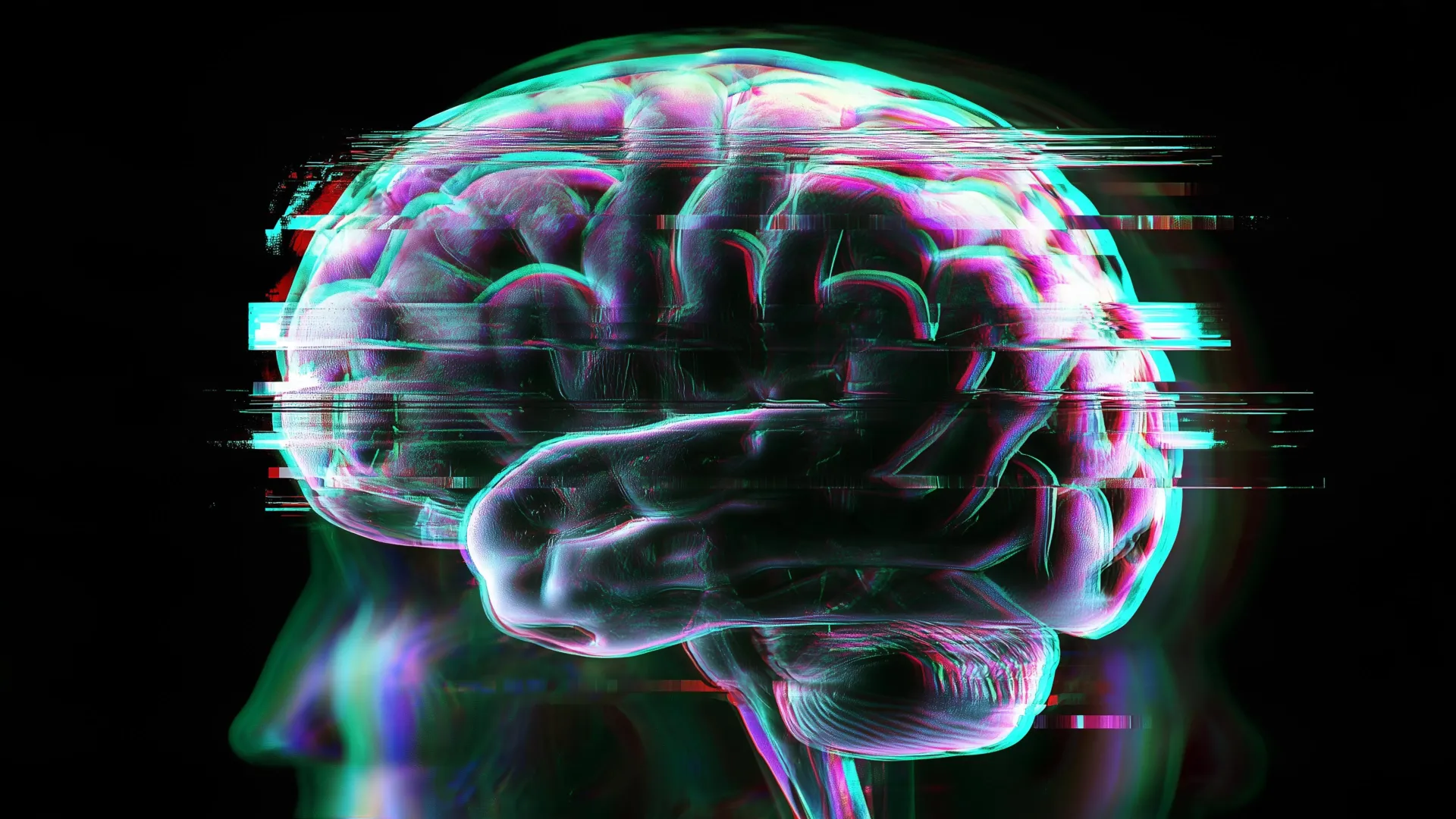
Recent findings indicate that the persistent manifestations of COVID‑19, commonly referred to as "long COVID," may arise from injury to dopamine‑releasing brain cells, a neurotransmitter essential for motivation, movement and memory. The results, detailed in a peer‑reviewed article and highlighted by ScienceDaily, help explain why many survivors endure chronic exhaustion, diminished drive, sluggish physical reactions and trouble concentrating.
Researchers analyzed brain imaging from participants who continued to report these problems months after the acute infection phase. The scans showed lowered activity in zones rich in dopaminergic neurons, especially within the midbrain and basal ganglia. These regions govern reward processing and motor control, and their dysfunction corresponds with the pattern of fatigue, low motivation and cognitive slowing described by patients.
The association between dopamine and fatigue has long been recognized; conditions such as Parkinson's disease and certain depressive disorders also feature dopaminergic deficits. Yet this represents the first large‑scale study to directly tie such neural alterations to the post‑viral consequences of SARS‑CoV‑2. By identifying a concrete biological substrate, scientists hope to move past the largely symptom‑focused treatment model currently used for long COVID, which relies mainly on supportive care and rehabilitation.
Although the investigation does not prove a causal chain, it suggests that interventions aimed at restoring dopamine activity might relieve some of the condition's most debilitating symptoms. Medications that enhance dopamine signaling—including specific antidepressants, stimulants, or drugs employed in Parkinson's disease—could be repurposed, provided rigorous clinical trials confirm their safety and efficacy. The authors caution that any such strategy would need careful assessment to weigh benefits against possible side effects.
The revelation comes as health systems worldwide confront a growing population of long COVID patients. Estimates indicate that a notable minority of those infected—potentially millions—experience symptoms persisting beyond three months. Grasping the neurobiological foundations is vital for crafting targeted therapies and shaping public‑health policies aimed at lessening the pandemic's long‑term impact.
Future investigations are expected to involve longitudinal studies tracking dopaminergic changes over time to see whether they reverse with recovery or remain permanent. Researchers also plan to probe why some individuals develop these neural alterations while others recover fully, examining variables such as viral load, immune response and pre‑existing health conditions. As the scientific community continues to decode long COVID mechanisms, the dopamine hypothesis offers a promising path toward diagnostic markers and therapeutic innovation.



Comments (0)
Be the first to comment.
Join the discussion