Steam Deck Remains Viable in 2026 Despite Higher Prices and Growing Handheld Competition
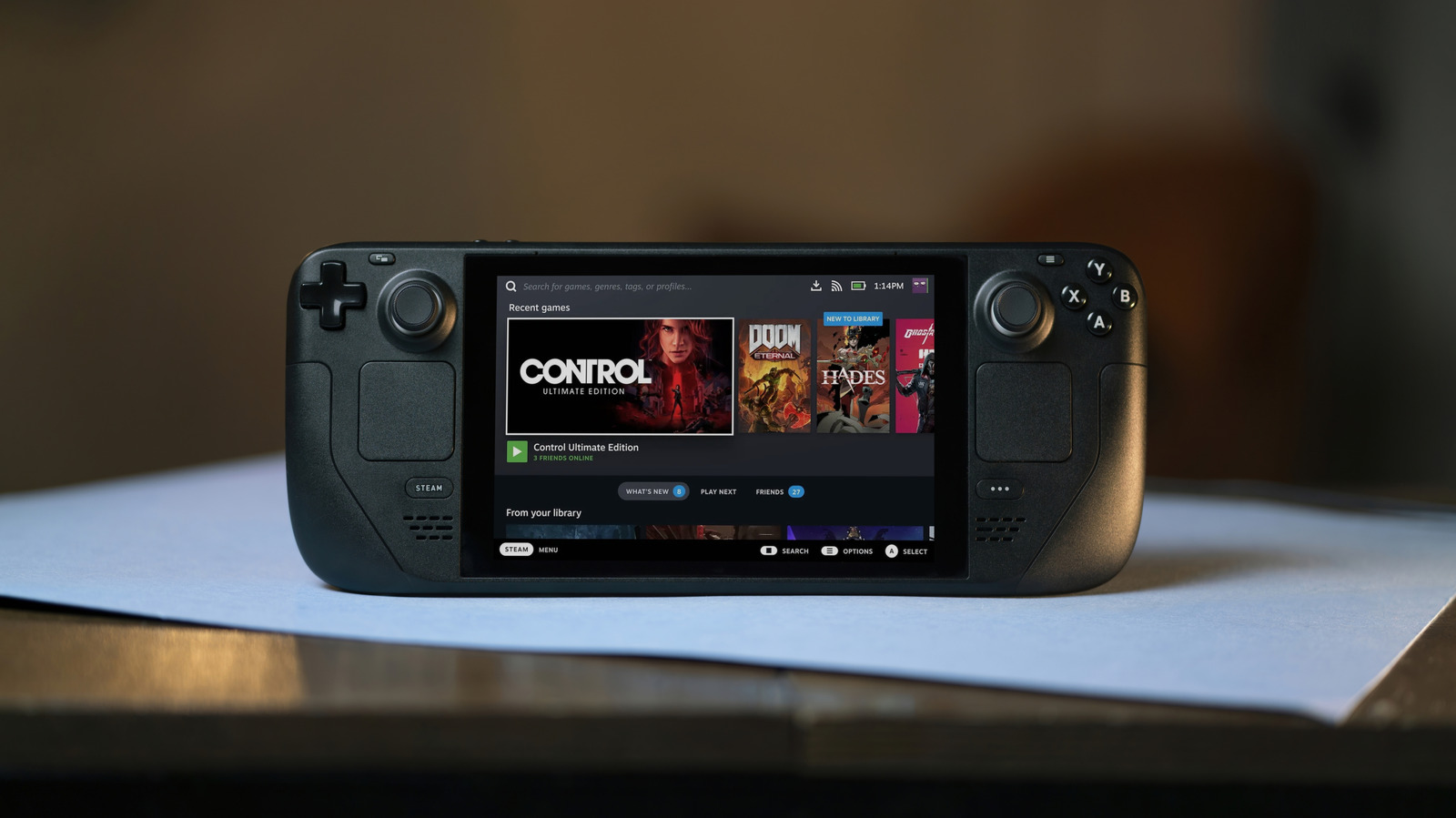
The handheld gaming arena that Valve entered with the Steam Deck in 2022 keeps shifting, and by mid‑2026 the unit is still viewed as a competent portable PC, though its value edge has narrowed. Early owners lauded its capacity to run the entire Steam catalog on a 7‑inch screen, yet fresh competitors now deliver similar performance at equal or lower price tags, causing shoppers to rethink if the Deck is still the top pick.
The present Steam Deck ships with a bespoke AMD APU that couples a Zen 2 CPU core cluster with RDNA 2 graphics, 16 GB of LPDDR5 RAM and a base 64‑GB eMMC storage that can be expanded via a high‑speed microSD slot. Valve’s own SteamOS 3.0, built on Arch Linux, offers a console‑style UI while still permitting third‑party software installation. Since debut, the retail cost has climbed from $399 for the base model to $449, and the premium 512 GB version now retails at $649, reflecting higher component costs and modest inflation.
Handhelds launched over the last two years have altered the price‑performance landscape. The ASUS ROG Ally, released early 2025, runs a Ryzen 7 7840U chip, features a 7‑inch 1080p LCD and a 512 GB SSD for $599, and its Windows‑based OS grants access to both the Microsoft Store and Steam. Lenovo’s Legion Go, announced late 2025, provides a detachable controller, a 7.5‑inch OLED panel and a Ryzen 7 7840U for $629, while the budget‑focused AYN Odin sells for $399 with a less powerful processor yet still handles many indie games smoothly. These options have squeezed the advantage the Deck once held.
Consumer sentiment in 2026 shows both admiration for the Deck’s mature software ecosystem and unease about its rising price. Valve continues to roll out updates that boost battery life, improve controller ergonomics and add compatibility with newer Steam features such as Remote Play Together and Cloud Saves. Nonetheless, the steeper entry cost now pits the Deck directly against Windows‑based devices that deliver a broader game library without relying on Proton layers. Resale values stay relatively robust, but prospective buyers must balance the expense against the flexibility of a Windows handheld.
Looking forward, Valve has hinted at a next‑generation Steam Deck that could incorporate a newer Zen 3+ architecture and a higher‑refresh screen, though no launch timetable has been set. Meanwhile, the current Deck benefits from an active modder community and an expanding list of optimized titles, which can help justify its price premium for die‑hard Steam fans. For players who value a seamless Steam experience and accept the existing hardware limits, the Deck remains a compelling portable PC; for those chasing the latest specs at a similar cost, the newer rivals make a strong case.



Comments (0)
Be the first to comment.
Join the discussion