Starlink’s Mobility Edge Puts It Ahead of Cable and Fiber
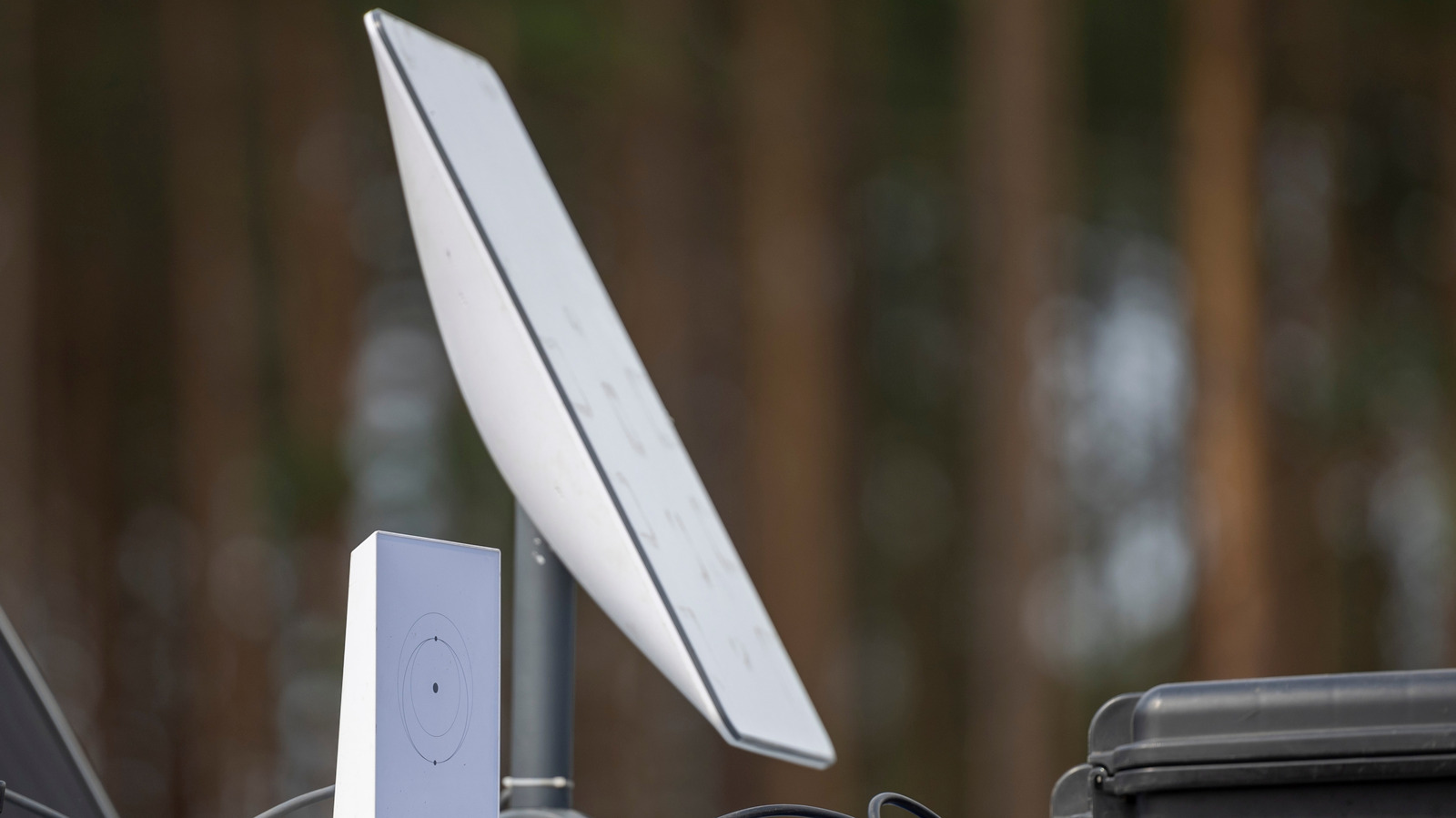
Although cable and fiber generally outpace satellite services in sheer speed and latency, SpaceX’s Starlink distinguishes itself through a mobility advantage that can offset those performance gaps for many users.
The main draw of Starlink lies in its capacity to provide broadband without extensive ground infrastructure. A subscriber can install a terminal, aim it at the sky, and within minutes obtain high‑speed internet—no trench‑digging or waiting for fiber rollout. This plug‑and‑play approach proves especially useful in isolated communities, temporary construction zones, and disaster‑hit regions where laying cables is impractical or prohibitively costly.
Beyond fixed setups, Starlink’s equipment is engineered for motion. The firm offers rugged, vehicle‑mounted kits that keep a connection alive while traveling on roads, sailing on water, or even operating from airborne platforms. For RV owners, maritime crews, and field researchers, this translates to continuous connectivity in areas where traditional ISPs simply cannot reach.
Wired networks still lead on performance; fiber can supply gigabit speeds with latency under 10 ms, whereas Starlink typically delivers 50‑150 Mbps with 20‑40 ms latency. Yet the calculus changes when deployment speed and geographic reach are considered. In the United States, about 20 % of homes lack fiber service, and many rural areas depend on satellite or DSL. Starlink’s low‑Earth‑orbit constellation, circling roughly 550 km above Earth, cuts latency compared with older geostationary satellites, narrowing the gap with ground‑based options.
Regulators and policymakers have taken note of the technology’s promise to narrow the digital divide. Federal broadband‑expansion programs often reference satellite solutions as a complementary strategy to wired rollouts, particularly in sparsely populated states. At the same time, rival low‑Earth‑orbit constellations are stepping up competition, urging providers to enhance service quality and pricing.
Consumers must weigh speed against flexibility. Urban residents with existing fiber may find little added value from Starlink, while those with transient connectivity needs—seasonal workers, emergency responders, travelers—may view the ability to secure a reliable link without waiting for infrastructure as decisive.
Looking forward, SpaceX intends to launch more satellites and roll out higher‑throughput hardware, aiming to raise speeds and further trim latency. Should those upgrades materialize, the mobility benefit could become an even stronger selling point, potentially reshaping broadband delivery in hard‑to‑reach locations worldwide.


Comments (0)
Be the first to comment.
Join the discussion