Spinal‑Cord Injury Drug Shows Potential to Repair DNA and Reduce Inflammation in Alzheimer’s
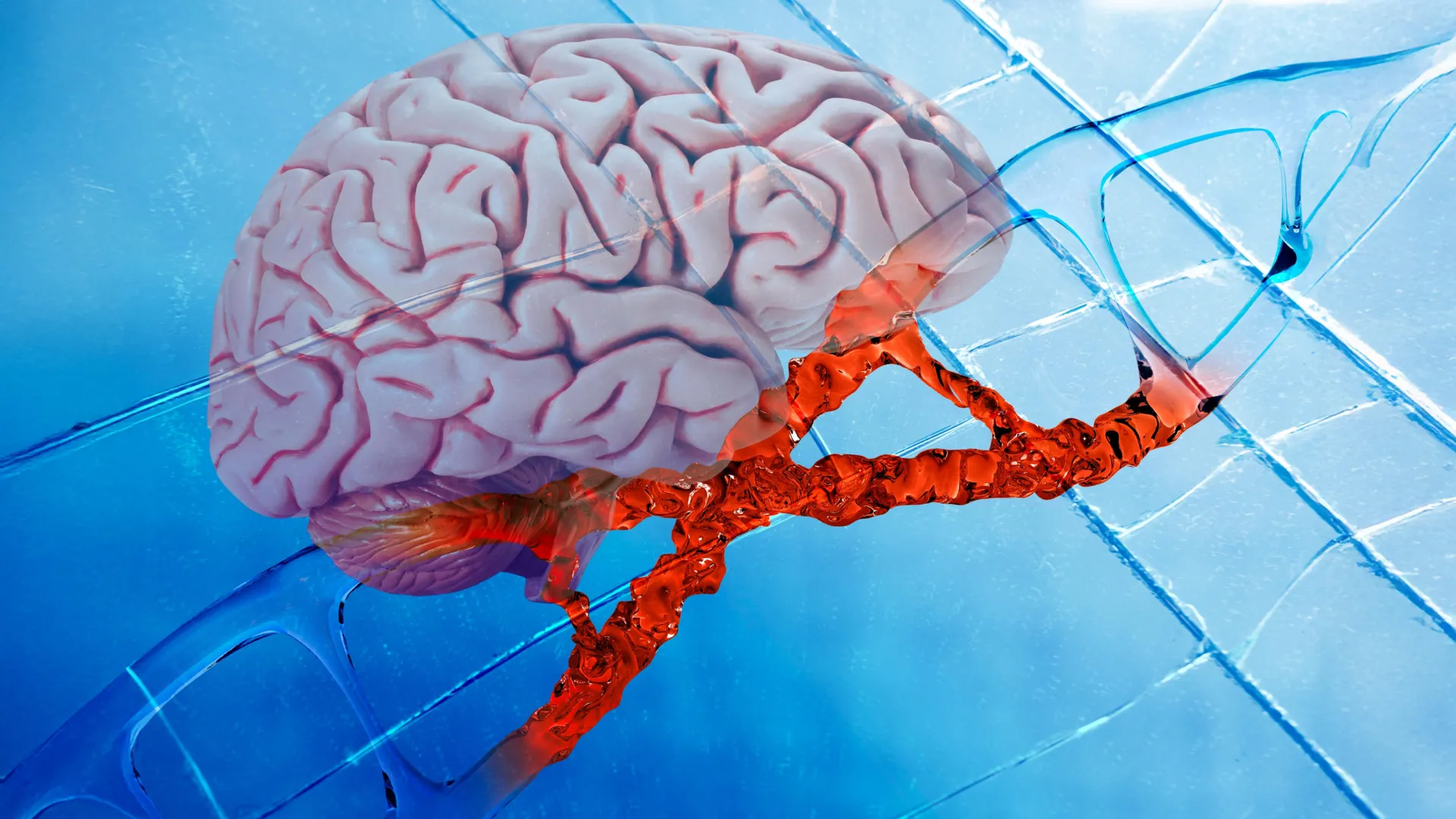
Scientists say a molecule first designed for spinal‑cord injury treatment now seems to oppose two key Alzheimer’s mechanisms—DNA damage and persistent brain inflammation—suggesting a quicker route to a novel therapy.
Alzheimer’s disease features protein clumps, neuronal loss and a cascade of molecular disturbances, with DNA strand breaks and heightened brain immune activity increasingly viewed as drivers of cognitive decline. Targeting these root causes rather than merely symptoms has become a central aim of contemporary drug discovery.
The experimental compound, initially pursued for spinal‑cord trauma, boosts cellular routes that mend genetic material while curbing inflammatory signaling. In neurodegeneration lab models, it lowered DNA fragmentation markers and reduced inflammatory cytokine levels, indicating a dual‑action profile that fits emerging Alzheimer’s therapeutic concepts.
Notably, the drug has already cleared an early safety trial in human volunteers. Those Phase I studies, aimed at tolerability rather than efficacy, reported no serious adverse events, giving a regulatory foothold that could speed later testing in Alzheimer’s patients.
The repurposing strategy matters because it sidesteps many early‑development obstacles typical of brand‑new chemicals. By using existing toxicology data and manufacturing pipelines, the journey from bench to bedside can be accelerated, potentially delivering a treatment faster than the traditional drug development timeline.
Researchers intend to launch larger, disease‑focused trials to see whether the pre‑clinical biological effects translate into real cognitive improvements. These studies will explore dosing, optimal treatment windows and long‑term safety, while regulators review the current data to shape the appropriate trial design.
Should upcoming trials validate the initial promise, the agent could become one of the first therapies to directly target DNA repair deficits and neuroinflammation in Alzheimer’s, opening a new pathway for a disease that has seen few recent breakthroughs. The scientific community will watch the progress closely, hopeful that this repurposed drug can expand the limited arsenal against a condition affecting millions worldwide.


Comments (0)
Be the first to comment.
Join the discussion