Software Patch Fixes Widespread Android Auto Connection Issue
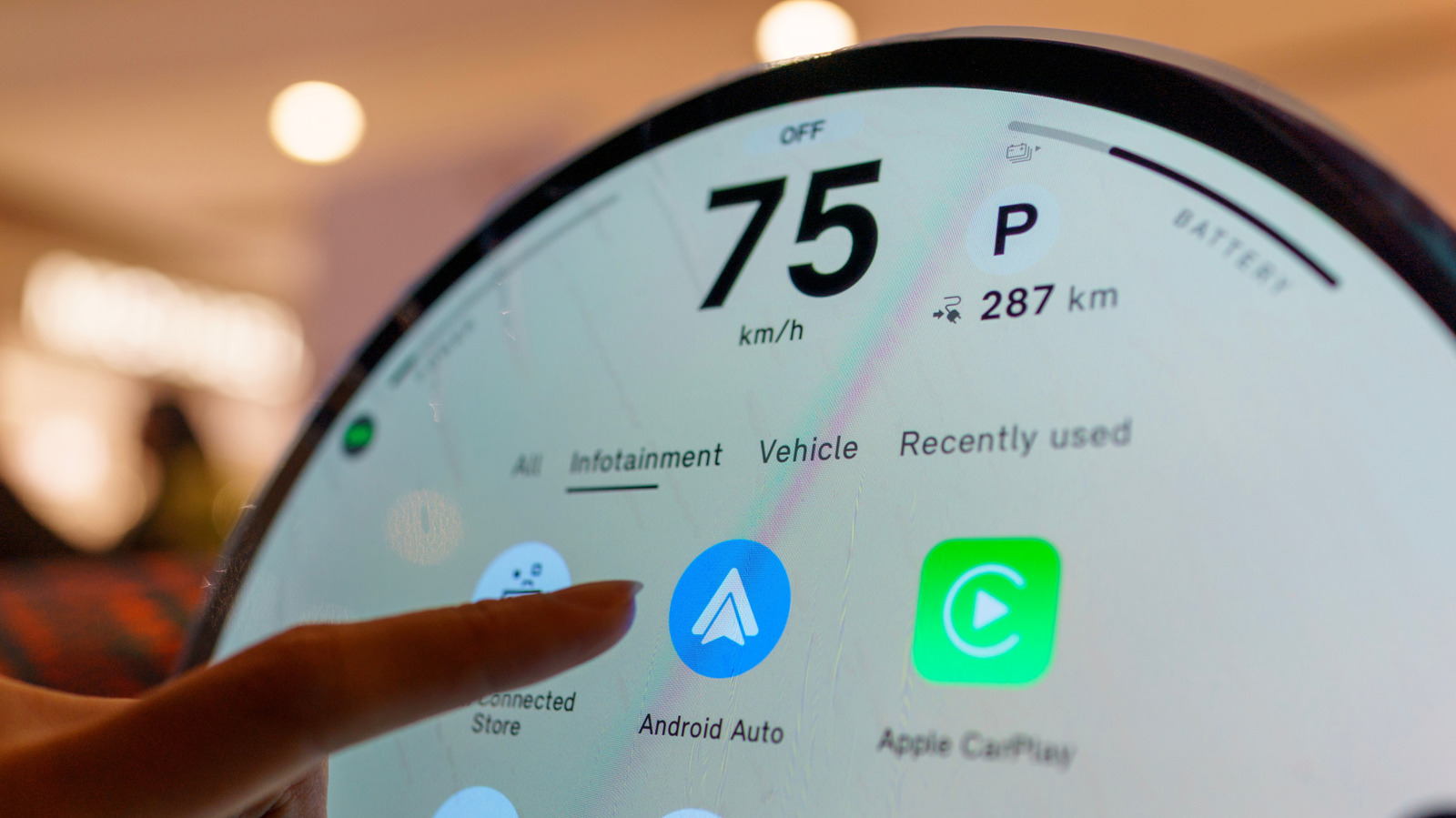
Motorists who depend on Android Auto can now be more optimistic following a fresh software patch that corrects a flaw which prevented many phones from keeping a steady link with a car’s infotainment system. Rolled out this week by a number of leading automakers, the update re‑establishes the proper handshake between Android devices and the vehicle’s built‑in screen, ending the repeated drop‑outs that have annoyed users.
The problem first came to light earlier this year as owners of several brands noted that, even with the newest Android version on their devices, the Android Auto screen would freeze, turn black, or refuse to start once the car was turned on. Since the glitch continued despite numerous phone updates, many concluded that the mobile OS was to blame rather than the car’s software.
Engineers in the automotive field, however, identified the culprit as obsolete firmware inside the head units. A disparity between the phone’s newer communication protocols and the legacy code on the car’s processor blocked dependable data transfer. Technical bulletins shared with dealerships indicate that a simple over‑the‑air (OTA) update, which upgrades the head‑unit’s software to support current Android standards, resolves the issue.
Users may now start the remedy by linking the car to Wi‑Fi or by employing the maker’s companion app, which triggers a download of the firmware bundle and installs it while the engine runs. The procedure usually lasts ten to fifteen minutes and avoids a trip to a service center. Once completed, the Android Auto icon returns to the infotainment menu, and the system establishes a steady connection with the phone.
The importance of this fix goes past mere convenience. Android Auto provides turn‑by‑turn directions, hands‑free messaging, and voice‑controlled music streaming, each helping to lower driver distraction. If the link drops, motorists might have to switch to manual controls or separate gadgets, eroding the safety advantages that integrated platforms are meant to deliver. By issuing a swift solution, manufacturers bolster the dependability of connected‑car ecosystems that are becoming ever more pivotal to contemporary driving.
Looking forward, industry analysts anticipate that comparable OTA updates will turn into standard practice as cars become increasingly software‑centric. Drivers are encouraged to frequently inspect for firmware updates via their vehicle’s settings menu or the automaker’s mobile app. As the automotive world syncs its update rhythm with that of smartphones, problems such as the Android Auto glitch should be remedied more quickly, keeping motorists connected and safer on the road.



Comments (0)
Be the first to comment.
Join the discussion