Smart Prescription Glasses: Advantages, Limitations and What to Consider
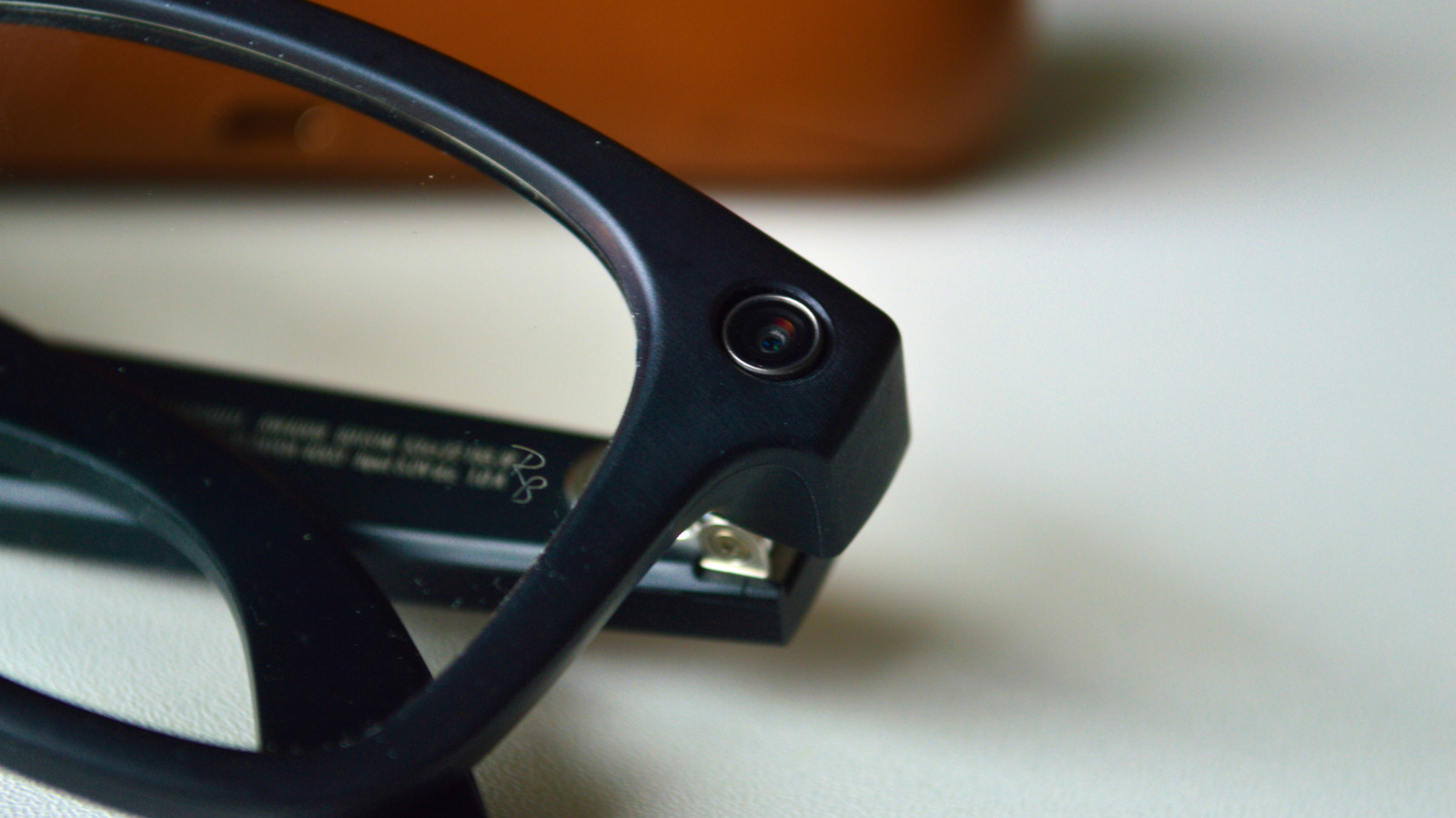
Tech firms are introducing a fresh line of smart glasses that also serve as prescription lenses, aiming to combine everyday vision correction with augmented‑reality capabilities. The frames incorporate cameras, microphones and tiny displays while resembling normal spectacles, and are promoted as an all‑in‑one solution for both visual clarity and digital interaction.
People who require corrective lenses can now purchase these smart frames fitted with their exact prescription, removing the necessity of a separate pair for reading or driving. Makers claim the combined design streamlines daily routines and enables hands‑free alerts, navigation cues and health‑monitoring functions straight within the wearer’s field of view.
Nevertheless, the technology remains in its early commercial stage, and prospective buyers should consider several practical issues. The cost of AI‑enabled eyewear generally surpasses that of traditional prescription glasses, reflecting the expense of sensors, processors and batteries. Battery endurance is also modest, often demanding a nightly charge that may inconvenience users accustomed to all‑day wear.
Privacy worries also dominate the conversation. Integrated cameras and microphones provoke concerns about accidental recording and data protection, particularly in public areas where by‑standers might not realize they are being captured. In addition, the display region of most smart glasses is relatively limited, providing a narrow field of view that may fall short for those seeking immersive AR experiences.
Analysts predict that widespread adoption will depend on how effectively manufacturers can marry functionality with comfort and price. As software ecosystems evolve and developers roll out more valuable apps, the case for a single device handling both vision correction and digital assistance could grow stronger. Until then, experts advise potential purchasers to investigate the specific features, peruse user feedback and weigh the total cost of ownership against that of conventional prescription eyewear before deciding.



Comments (0)
Be the first to comment.
Join the discussion