SK Hynix Plans to Pack More Than 100 Custom Processors into Upcoming SSD Controllers Before PCIe 8.0 Launch
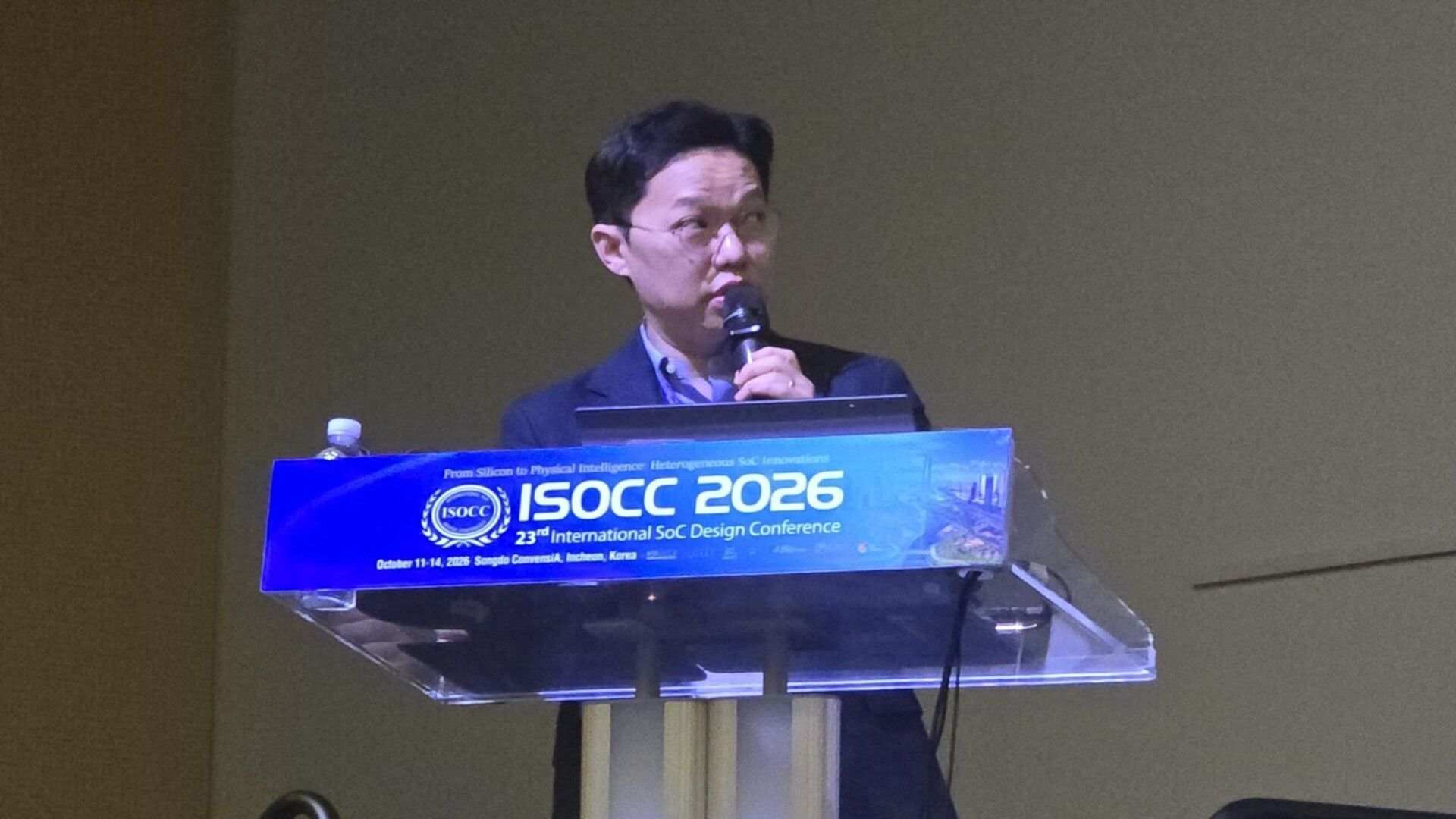
SK Hynix, the South Korean memory producer, said it will embed over one hundred specialized processing units into the controllers of its upcoming solid‑state drives, a step intended to ready the market for the forthcoming PCIe 8.0 specification and the rise of high‑bandwidth flash storage.
Named H‑TPUs, these bespoke chips are built to perform particular storage functions and draw roughly 2.5 percent of the power a standard CPU core would need for identical work. Since an individual H‑TPU takes up about four percent of the silicon footprint of a general‑purpose core, many can be integrated onto one controller without enlarging the die.
SK Hynix anticipates that scattering this compact cluster of dedicated chips throughout the controller will shift much of the data‑transfer and error‑correction burden away from the host CPU. Such efficiency improvements would be particularly beneficial for data‑center servers and enterprise platforms that must soon handle terabytes per second, given that PCIe 8.0 will double the bandwidth of the earlier version.
The move arrives while Samsung, the leading competitor to SK Hynix in NAND, is scaling up its own high‑performance SSD lineups. Analysts see the push to integrate dedicated logic as an inevitable step, as flash densities rise but power envelopes stay constrained. Performing computations inside the SSD controller also cuts latency, a key requirement for workloads like AI inference and real‑time analytics.
While SK Hynix has not revealed an exact launch date for SSDs equipped with the H‑TPU‑laden controllers, it noted that development is progressing and the solution should be in place for the PCIe 8.0 introduction anticipated later this decade. Should it work as intended, the strategy may establish a fresh standard for SSD design, urging rivals to embrace comparable multi‑processor architectures to remain viable in a market driven by speed, efficiency, and ever‑growing flash capacities.


Comments (0)
Be the first to comment.
Join the discussion