Scientists Reveal New Amazon Frog Amid Heightening Environmental Worries
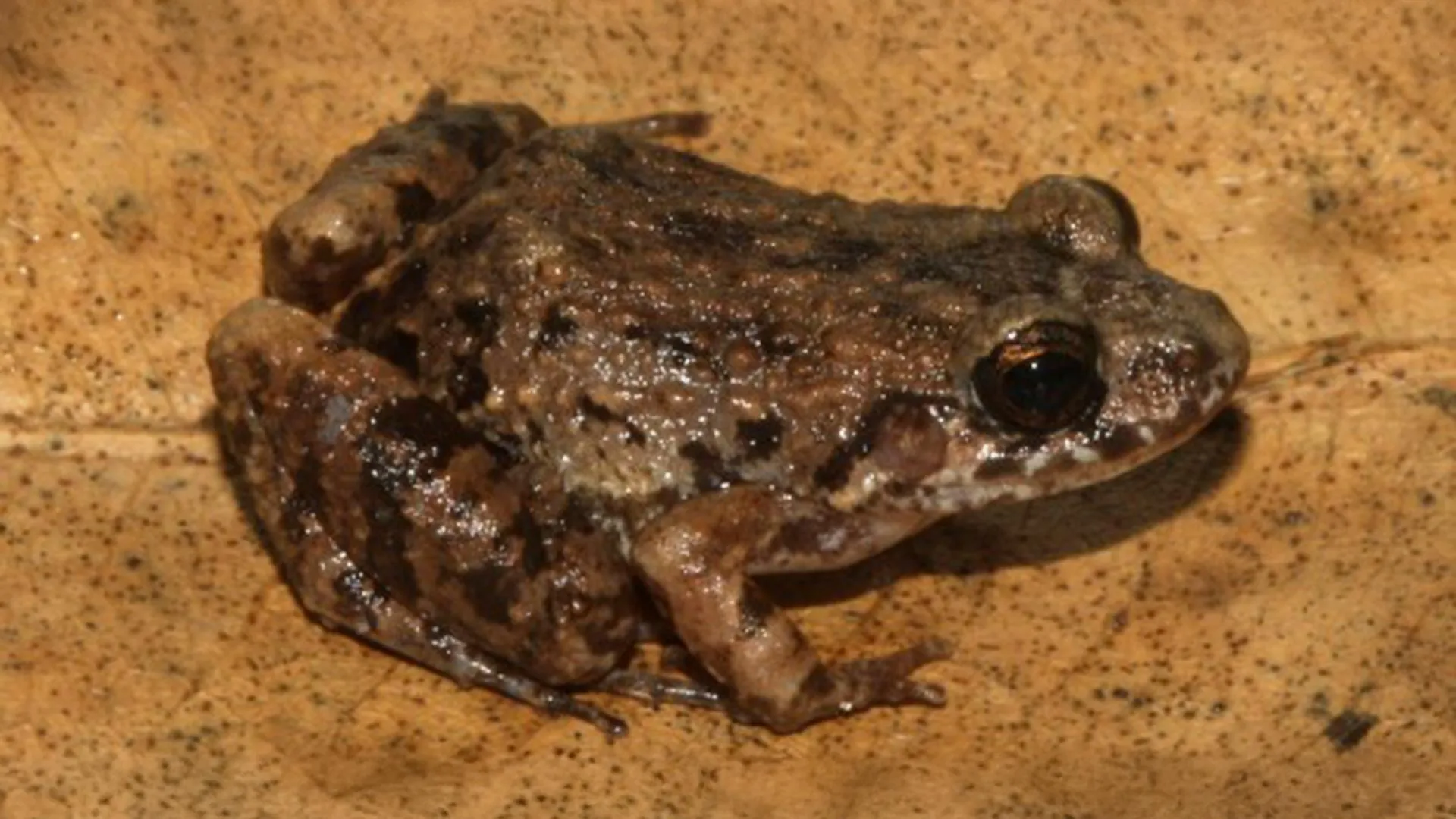
Researchers conducting surveys in the seasonally inundated forests of western Amazonia reported the discovery of a previously unknown frog, officially designated Adenomera varcena. This addition expands the already immense inventory of amphibians in the area and highlights how much of the basin’s wildlife still lacks documentation.
By employing genetic sequencing alongside an examination of its distinctive breeding call, the researchers set the newcomer apart from several look‑alike species. Although the frogs exhibit comparable body shape and hue to their kin, slight differences in DNA markers and a uniquely patterned vocalization verified its status as a separate taxon.
Flooded forest zones, called varzea by locals, rank among the Amazon’s most productive yet under‑researched ecosystems. Seasonal flooding generates a patchwork of aquatic and terrestrial microhabitats that sustain a diverse community of insects, fish, and amphibians. The inaccessibility of these regions means many organisms, particularly diminutive or cryptic ones such as Adenomera varcena, remain unnoticed until focused surveys are undertaken.
The finding emerges as the Amazon confronts mounting pressures from deforestation, infrastructure expansion, and climate‑induced alterations in rainfall. Loss of habitat not only shrinks the space accessible to species like the newly described frog but also fragments populations, heightening their susceptibility to disease and genetic degradation.
Researchers warn that uncovering Adenomera varcena probably represents only the tip of the iceberg. Comparable genetic and acoustic investigations in neighboring floodplains have already exposed concealed diversity within other amphibian groups, implying that numerous additional species may still await formal description.
Looking ahead, scientists intend to track the new frog’s population trends and habitat preferences, information that could guide conservation measures for the wider varzea ecosystem. This discovery underscores the pressing need to safeguard Amazonian wetlands, not merely for the species already catalogued but also for the myriad organisms concealed beneath the forest’s watery canopy.



Comments (0)
Be the first to comment.
Join the discussion