Scientists Question Current Search for Alien Life: Are We Missing Key Evidence?
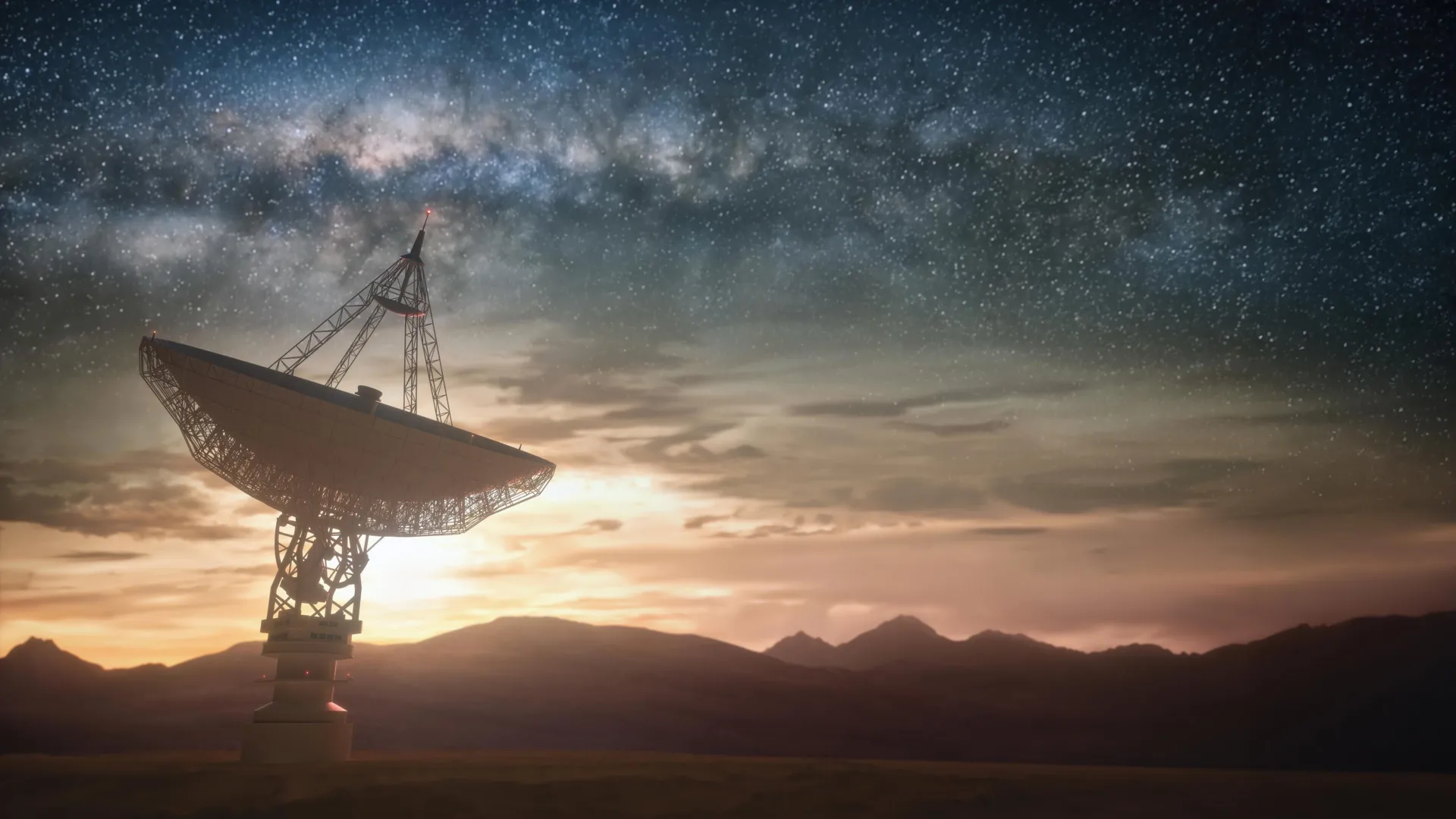
A growing consensus within the scientific community suggests that humanity's pursuit of extraterrestrial life might be hindered by inherent biases and current technological limitations. This could lead us to overlook crucial evidence, even when it is present. Researchers are voicing concerns that existing methodologies and assumptions about what constitutes life may be generating significant 'false negatives' in the cosmic search.
A primary concern centers on the concept of 'hidden biosignatures.' Scientists theorize that life could manifest in forms or leave traces that our current detection equipment is not designed to recognize. These subtle indicators might be obscured by environmental factors, exist in unexpected chemical compositions, or simply be too faint for present-day instruments to register, effectively rendering us blind to their existence.
Adding to this issue are the intrinsic restrictions of existing detection technology. Our sophisticated telescopes and probes are constructed with specific parameters and targets in mind, often based on Earth-like conditions or known biological processes. While these tools have offered invaluable insights, they may prove insufficient for uncovering life that operates under vastly different principles or thrives in environments we currently deem inhospitable.
Perhaps the most significant obstacle identified is our own preconceived notions of what life should entail. Much of the search for extraterrestrial intelligence (SETI) and biosignatures relies on Earth-centric models, assuming life will require water, carbon, and produce familiar atmospheric gases. This anthropocentric bias could be severely narrowing our search parameters, causing us to disregard entirely plausible forms of life that do not conform to our terrestrial understanding.
The ramifications of these potential oversights are profound. If we are indeed missing evidence of life due to these factors, it implies our current understanding of the prevalence and diversity of life in the universe could be fundamentally flawed. Such 'dangerous false negatives' would not only delay a monumental discovery but also misinform our scientific models concerning astrobiology and the conditions necessary for life.
To mitigate these risks, scientists are advocating for a substantial shift in approach. This includes developing new, more versatile detection technologies capable of identifying a broader spectrum of biosignatures. Furthermore, a critical re-evaluation of our assumptions about life itself is imperative, encouraging researchers to explore and model more exotic and unfamiliar biological possibilities.
This call to broaden our perspective underscores both the immense challenge and the excitement inherent in astrobiology. By acknowledging and actively addressing these blind spots, the scientific community hopes to open fresh avenues in the quest for life beyond Earth, potentially leading to discoveries that could redefine humanity's place in the universe.


Comments (0)
Be the first to comment.
Join the discussion