San Diego Jury Orders Apple to Pay Over $5.7 Billion After Finding Haptic Patent Infringement
A federal jury convened in San Diego ruled that Apple must cough up in excess of $5.7 billion in damages to haptics specialist Taction, concluding the tech giant unlawfully employed two of the company's patented inventions.
Taction brought the suit against Apple in 2021, alleging that the iPhone maker infringed U.S. Patent Nos. 10,659,885 and 10,820,117, which describe particular techniques for delivering tactile feedback. The dispute focused on whether Apple’s vibration and pressure‑sensing implementations copied the patented methods.
Following a multi‑day trial, the jury sided with Taction, finding that Apple’s devices incorporated the patented haptic mechanisms without authorization. The decision translates into a damage award surpassing $5.7 billion, ranking among the heftiest patent‑infringement verdicts in recent years.
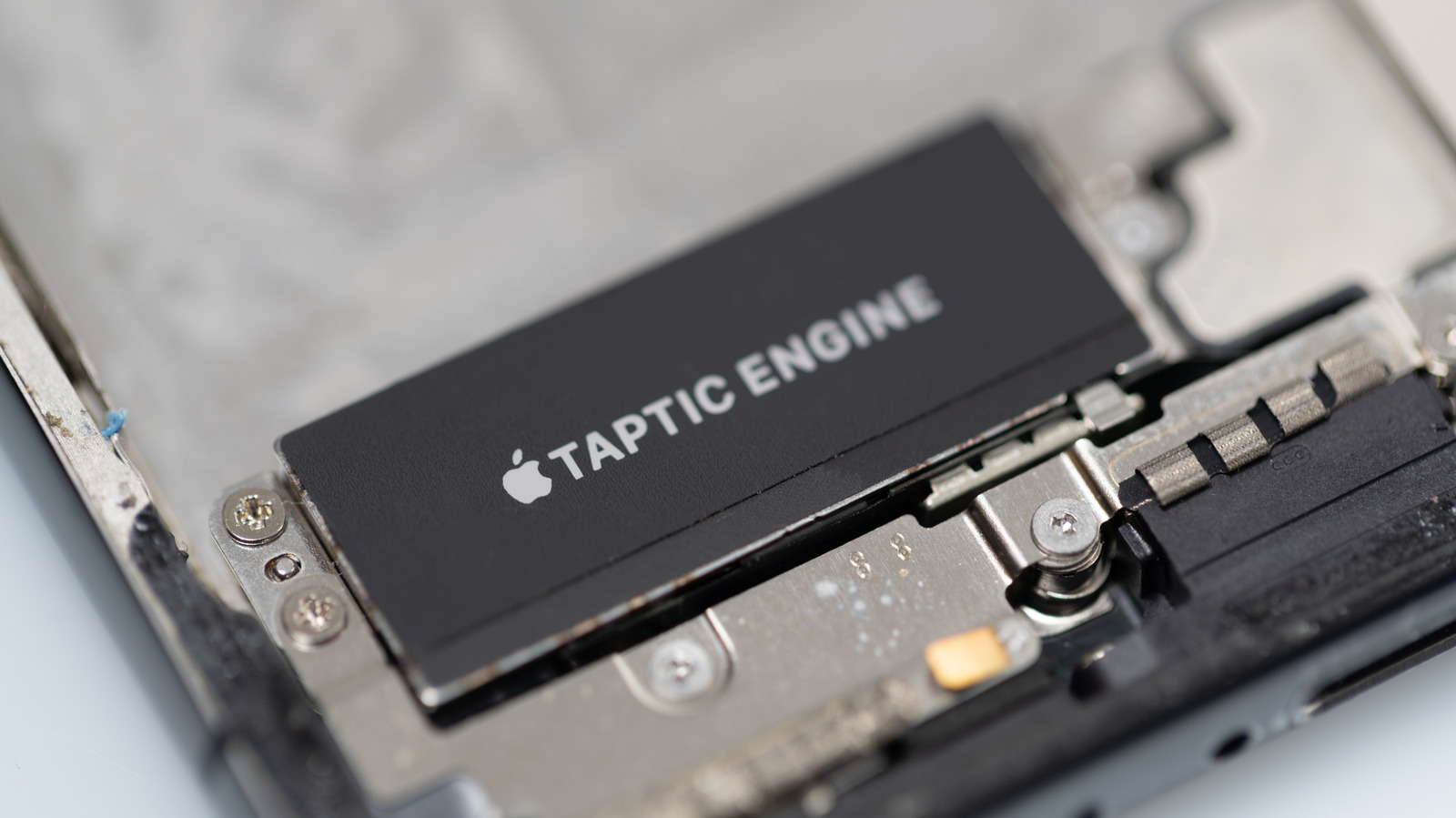
Apple has long depended on advanced haptic feedback to enrich user interaction on its iPhone, iPad, Apple Watch and other hardware. This technology enables devices to mimic physical sensations—such as clicks or textured surfaces—enhancing the perceived responsiveness of touchscreens. While Apple has historically defended its designs as original, the jury’s finding points to a considerable overlap with Taction’s earlier patents.
The judgment arrives amid a wider wave of intellectual‑property battles involving major tech firms. Courts are increasingly probing the fine line between incremental innovation and the unauthorized use of existing patents, especially in haptics where hardware and software intersect.
Legal commentators note that Apple now faces a strategic choice: accept the verdict and negotiate a settlement, or appeal in hopes of overturning or reducing the award. An appeal would likely prolong the litigation for months or even years, during which Apple could continue selling devices that incorporate the disputed technology.
Industry watchers say the outcome may compel Apple to redesign its haptic systems or to secure licensing deals with Taction and other patent owners. Such moves could alter product‑development timelines and potentially raise costs that might be passed on to consumers.
The case also highlights the rising commercial value of haptic technology, a sector promising richer user experiences for smartphones, wearables, gaming controllers and emerging virtual‑reality platforms. As manufacturers vie to differentiate their offerings, protecting and enforcing underlying patents is set to become an increasingly contentious arena.
Although the ultimate financial impact on Apple remains uncertain pending further legal action, the $5.7 billion judgment represents a pivotal moment for both companies and signals that even the world’s largest tech firms are not immune to costly patent challenges.

Comments (0)
Be the first to comment.
Join the discussion