Samsung, Qualcomm Team Up on ‘Organic Bridge’ to Slash AI Chip Prices
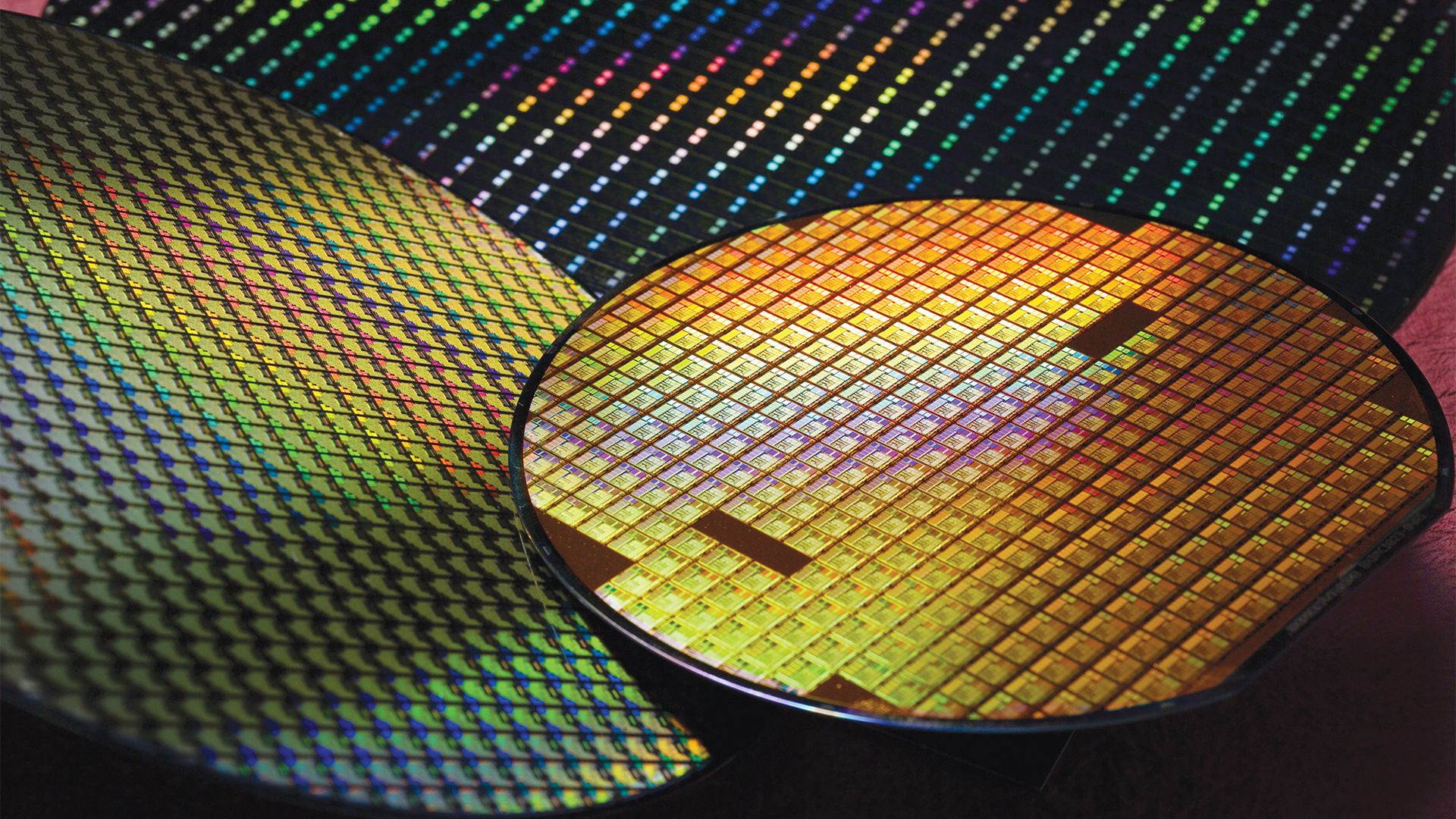
Samsung Electronics and Qualcomm revealed a collaborative project to create an “organic bridge” solution aimed at reducing the cost of artificial‑intelligence (AI) central processing units while enhancing their performance. The duo is focusing on a novel 2.1D packaging method, which is cheaper than the more intricate 2.5D technique that presently leads high‑end chip integration.
Within a 2.1D configuration, the silicon die is bonded to an interposer constructed from low‑cost substances like glass, ceramic, or select polymers, instead of the dense silicon interposers typical of 2.5D designs. The organic bridge idea swaps conventional metal‑to‑metal links for a composite resin that transmits signals across the space separating components. Employing resins and similar composites allows the process to bypass the expensive lithography procedures needed for silicon‑based interposers.
The partners claim the method could simplify production of AI‑centric CPUs, whose demand is rising among data‑center operators, edge‑computing hardware, and smartphones. Cutting packaging expenses is crucial since the silicon die now comprises a reduced fraction of overall chip cost, while the surrounding infrastructure can constitute a large part of the bill of materials.
Analysts point out that 2.1D packaging has seen limited use in specialized fields but has yet to meet the bandwidth and thermal standards demanded by the most intensive AI tasks. The organic bridge seeks to bridge this shortfall by providing a lightweight, low‑loss conduit for high‑frequency signals, while maintaining a manageable thermal profile via glass or ceramic substrates.
Samsung will supply its know‑how in advanced packaging and material science, whereas Qualcomm contributes its AI‑processor architecture and software ecosystem. The joint effort remains in the research stage, with prototype runs slated for later this year. Should it prove viable, the solution could be incorporated into forthcoming Snapdragon AI chips and Samsung’s Exynos portfolio, offering a cost‑effective substitute for the premium 2.5D options employed by competitors.
Analysts warn that market uptake will hinge on proving performance on par with current interposer‑based designs and on ensuring a stable supply chain for the novel resin materials. Still, the alliance mirrors a wider industry shift toward cheaper, scalable packaging techniques as AI workloads keep expanding across devices of every size.


Comments (0)
Be the first to comment.
Join the discussion