Roku Boosts Streaming Device Prices by as Much as 60 Percent
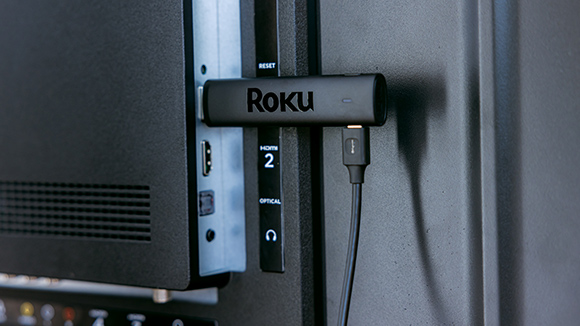
Roku, a key competitor in the streaming device sector, has rolled out substantial price hikes for its range of streaming sticks and boxes, with certain models now costing up to 60 percent more. This revision signals a significant change in the firm's pricing approach, directly affecting consumers planning to buy new or upgrade existing streaming hardware.
The updated pricing is already visible on Roku's official site. Although current stock might still be sold at previous manufacturer's suggested retail prices (MSRPs), these are now distinctly labeled as 'sale prices,' signaling that the increased costs are the new baseline. This strategy suggests a transitional phase as the company introduces its revised pricing model throughout its distribution networks.
For an extended period, Roku has served as a preferred option for numerous cord-cutters and streaming enthusiasts, providing devices recognized for their intuitive interface and vast content catalog. The cost-effectiveness of its basic models frequently served as a crucial edge in a competitive market featuring tech giants such as Amazon, Google, and Apple.
This significant price hike has the potential to reshape Roku's standing within the competitive environment. As consumers evaluate the value proposition of various streaming ecosystems more closely, a considerable price rise could lead them to reconsider their favored hardware, possibly encouraging some to investigate alternatives that maintain more affordable price points or deliver perceived superior value.
Although Roku has not officially disclosed the precise reasons behind these widespread price adjustments, similar actions in the consumer electronics industry frequently stem from a combination of elements. These may encompass escalating component costs, intricate supply chain challenges, higher manufacturing expenses, and strategic choices tied to platform development and service expansion investments.
Consumers will immediately face a steeper entry barrier for new users or elevated expenses for those seeking to replace aging devices. Existing Roku users who once benefited from the brand's affordable pricing might find subsequent upgrades pricier. The full effect of these modifications on Roku's market share and overall sales volume in the months ahead remains uncertain.
As the streaming industry undergoes continuous transformation, device manufacturers are operating within a fluid landscape marked by fierce rivalry and evolving consumer demands. Roku's choice to enact such significant price hikes will certainly draw close scrutiny from both competitors and analysts, providing clues about the wider economic pressures and strategic factors influencing the trajectory of digital entertainment accessibility.



Comments (0)
Be the first to comment.
Join the discussion