Robotic Golden Arowana Impresses CIFTIS 2026 Visitors, Highlights Spy and Conservation Potential
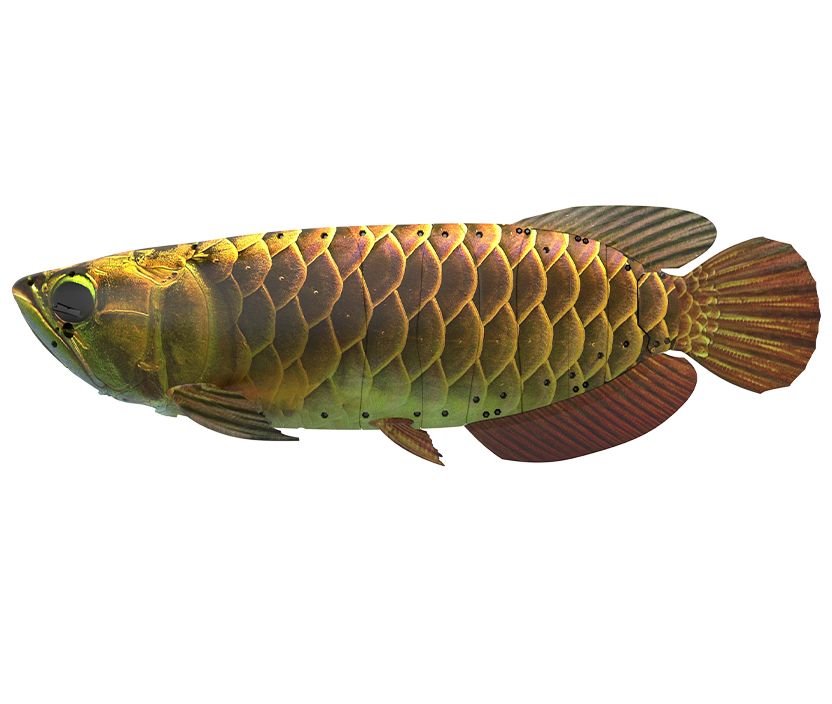
During this year’s China International Fair for Trade in Services (CIFTIS), a sleek, silver‑scaled creature slipped through a shallow aquarium, attracting attention and sparking curiosity about its identity. The star was the BG‑5 robotic golden arowana – a 640‑mm, 3‑kilogram autonomous unit built by Boyagongdao that replicates the look and swimming motion of the coveted tropical fish.
Unlike a living specimen, the BG‑5 houses an internal navigation system that lets it chart its own path around obstacles in real time. Demonstrators at the exhibition showcased the robot’s capacity to sense and bypass barriers without human direction, a feature that underpins its advertised versatility for both civilian and defence roles.
According to its technical sheet, the BG‑5 can operate at depths of up to five metres and reach a top speed of 0.6 metres per second. Built‑in cameras and interchangeable payload bays enable it to capture visual information or carry extra sensors, broadening its utility beyond a simple showpiece.
The lifelike exterior and silent propulsion have caught the eye of military analysts who envision uses in covert surveillance or reconnaissance within littoral zones. A bionic fish that blends seamlessly with natural marine life could, in theory, get close to hostile ships or keep watch over coastal facilities while staying virtually invisible.
Equally intriguing is the technology’s potential for environmental enforcement. Conservation organisations have long struggled to police expansive river networks and offshore reefs plagued by illegal fishing and poaching. A quiet, autonomous fish could be deployed to surveil protected waters, document illicit activity and stream real‑time footage to authorities, offering a low‑profile alternative to conventional patrol vessels.
China has poured substantial resources into biomimetic robotics, a discipline that aims to copy the efficient movement of animals for engineering purposes. The BG‑5 follows earlier prototypes that mimicked sharks, turtles and eels, each new version improving power efficiency, control algorithms and sensor integration.
Although the robot is still in a demonstrator phase, its showcase at CIFTIS signals growing confidence among Chinese firms to commercialise such devices for dual‑use applications. Observers note that regulatory frameworks for autonomous underwater systems are still taking shape, and the use of bionic robots for surveillance is likely to spark debate over maritime security and privacy. The next milestone for the BG‑5 will be field trials, possibly alongside naval units or wildlife agencies, to verify its performance in real‑world conditions.



Comments (0)
Be the first to comment.
Join the discussion