Ring Launches Home‑Security Drone, Sparking Noise and Privacy Debates
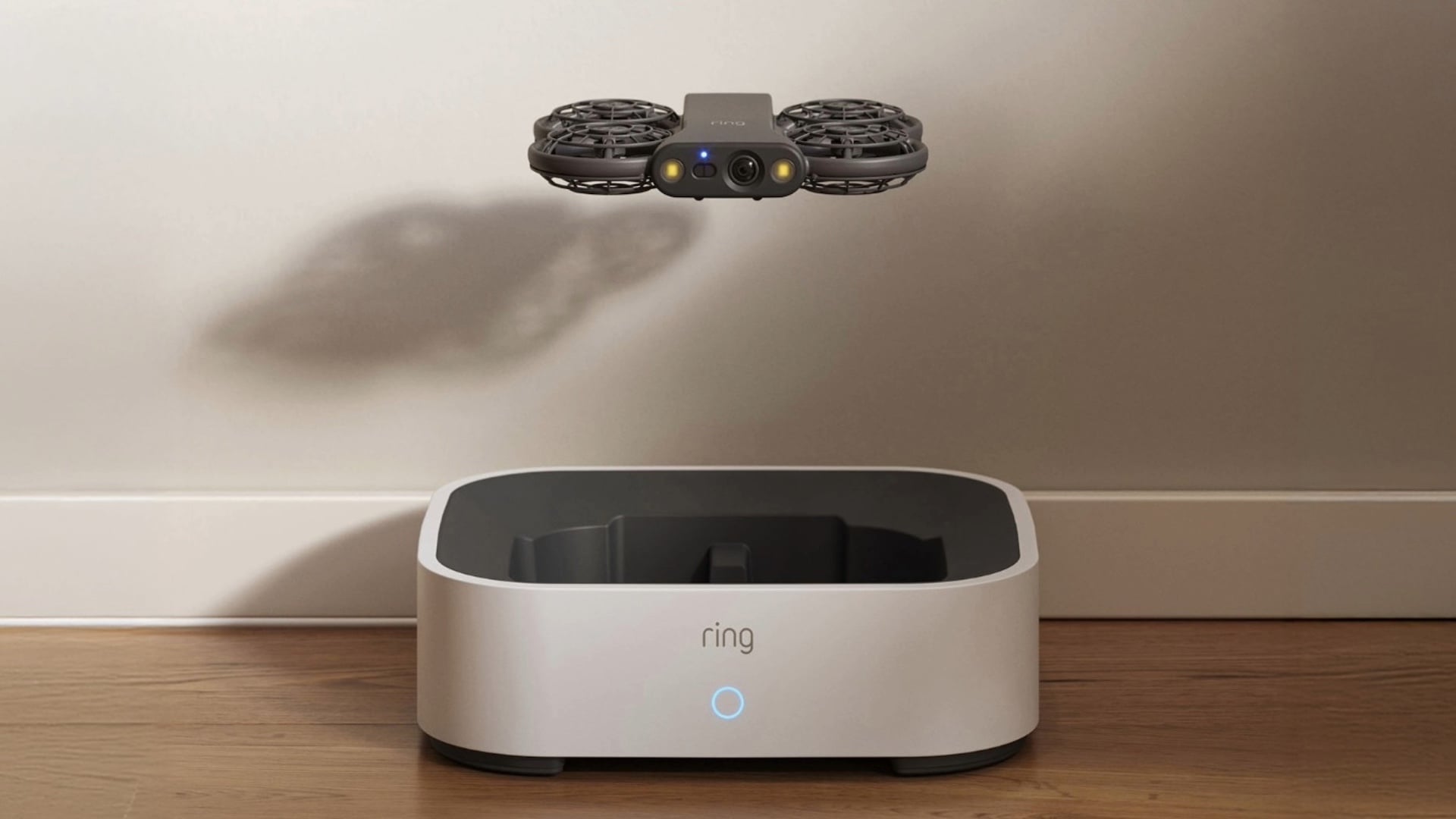
This week, Ring, the Amazon-owned security brand, introduced a consumer‑grade drone, marketing it as a roaming addition to its current home‑security lineup. The small quadcopter, fitted with a high‑definition camera, can be called upon to sweep a property on demand while sending live video to the Ring app.
This debut represents Ring’s initial step away from its usual fixed devices like video doorbells and floodlights. The company says the drone can be called via a smartphone, follow a pre‑programmed path around a yard, and return to a charging dock once its battery dips. By linking with Ring Alarm and Amazon’s wider smart‑home system, users receive a “flying eye” that works alongside stationary cameras.
Detractors contend that the idea runs counter to the everyday realities of most homes. The drone produces a high‑pitched buzzing noise that early reviewers find intrusive, particularly in tranquil neighborhoods. Even more concerning are safety issues: rotating propellers and an erratic flight trajectory could threaten pets, young children, or garden wildlife unprepared for a hovering device.
Privacy groups have also raised concerns. A camera capable of roaming a private yard without a constant line of sight prompts questions about data gathering and accidental capture of adjacent properties. In the U.S., the Federal Aviation Administration mandates registration for drones exceeding 0.55 pounds and generally confines flights to visual line‑of‑sight, which could curb the autonomous patrol Ring advertises. Certain states are already drafting bills to tighten rules on indoor or low‑altitude surveillance tools.
Amazon disclosed only sparse technical specs, yet the prototype shown at a recent developer conference tipped the scales at under a pound and sported a 1080p sensor with night‑vision. The firm highlights end‑to‑end encryption for the video feed and asserts that recordings reside within the current Ring subscription system, governed by the same privacy settings used for its fixed cameras.
Consumer uptake will probably depend on how buyers weigh the novelty against the cited worries. Initial social‑media chatter shows unease over pets being startled or harmed, and doubts about the real necessity of a flying camera for routine security. Analysts point out that, should regulatory obstacles be resolved and pricing stay attractive, the gadget could find a niche with tech‑savvy homeowners. On the other hand, its novelty and possible legal challenges might restrict wider acceptance, confining it to a small slice of the home‑security market.


Comments (0)
Be the first to comment.
Join the discussion