Rigorous Practice Physically Reshapes Brain, Boosting Efficiency for Complex Tasks
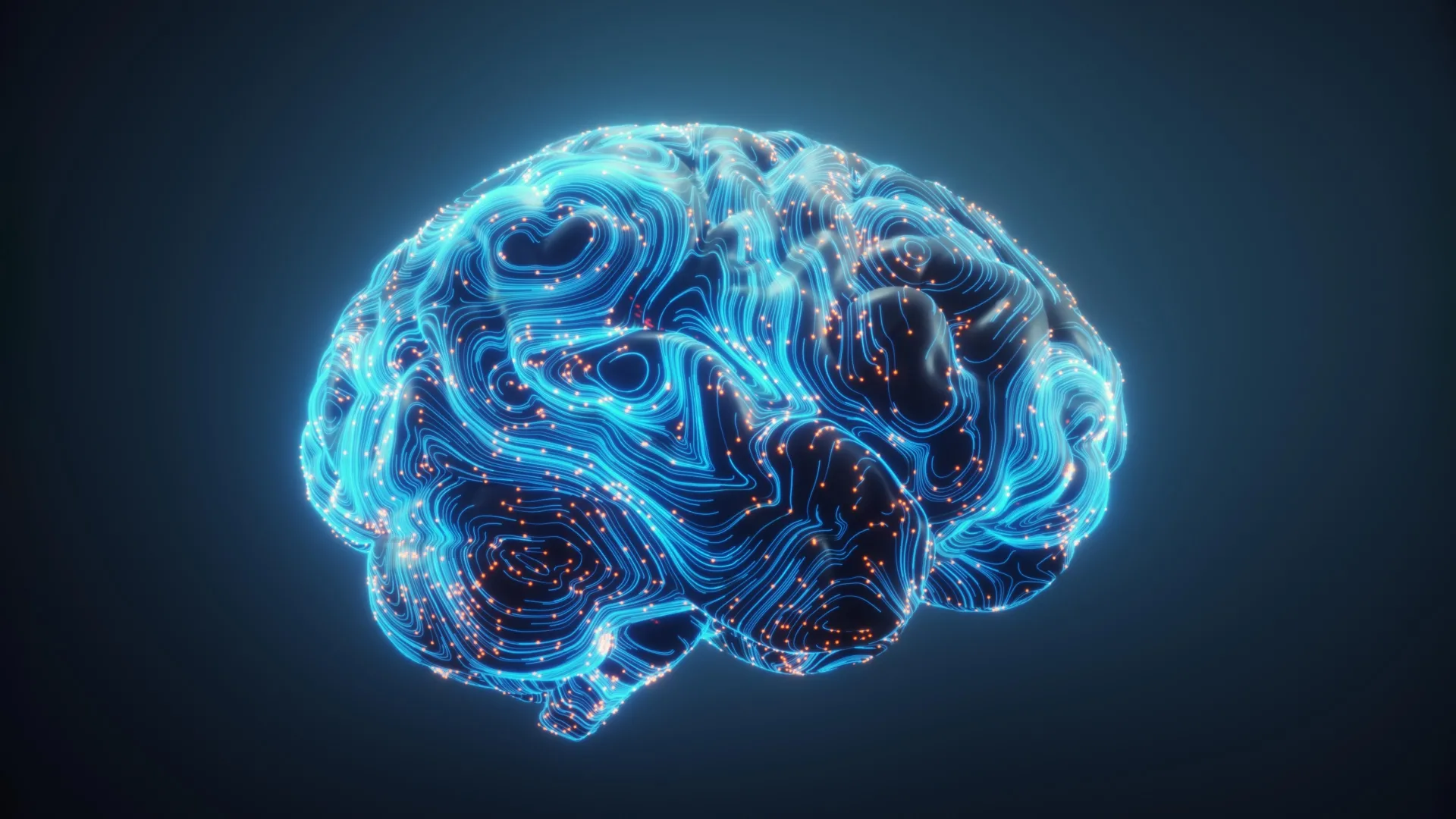
Recent investigations reveal that dedicated practice goes beyond merely enhancing performance; it profoundly reshapes the brain's physical architecture. Researchers have pinpointed a mechanism through which prolonged instruction can restructure neural circuitry, enabling intricate, acquired skills to be performed more effectively and liberating the brain's crucial cognitive capacities.
A central discovery indicates that well-established abilities, achieved via consistent repetition and application, ultimately circumvent the prefrontal cortex—commonly known as the brain's "executive hub." Rather than demanding deliberate, top-down oversight, such actions are redirected through dedicated neural pathways, functioning with increased autonomy.
Such redirection carries significant ramifications for our comprehension of human capacity for multiple tasks. Through the delegation of habitual yet intricate operations to these specialized channels, the prefrontal cortex's load is lightened. This release enables people to concurrently participate in other challenging mental operations or to concentrate on new elements of a scenario, thereby facilitating a genuine form of concurrent activity which was formerly considered more restricted.
This revelation questions and hones established concepts regarding neural adaptability, underscoring that cerebral flexibility stretches past simple functional alterations to encompass substantial physical restructuring. It emphasizes that gaining proficiency involves more than solely perfecting current linkages, but rather forging wholly novel, more streamlined operational structures inside the brain.
Traditionally, cerebral plasticity has been perceived as the brain's capacity for modification and adjustment across a lifetime. This recent study offers a precise, elaborate mechanism detailing how sustained exertion can bring about such a significant transformation, converting activities from laborious, deliberate undertakings into nearly subconscious, autonomous operations.
These discoveries may carry extensive ramifications across diverse sectors. Within the realm of schooling, it could guide approaches for enhanced learning and proficiency cultivation. Regarding vocational instruction, especially in critical settings, comprehending this cerebral restructuring might result in improved instructional methods tailored to ingrain vital proficiencies more thoroughly and effectively.
In conclusion, this investigation unveils fresh pathways for delving into the complexities of human cognition and learning potential. Through shedding light on how the brain physiologically adjusts to expertise, researchers can delve deeper into ideal training parameters and potentially devise strategies that harness these intrinsic restructuring capabilities for improved mental performance and recovery.


Comments (0)
Be the first to comment.
Join the discussion