Research Shows Glioblastoma’s Gelatinous Matrix Fuels Tumor Invasiveness
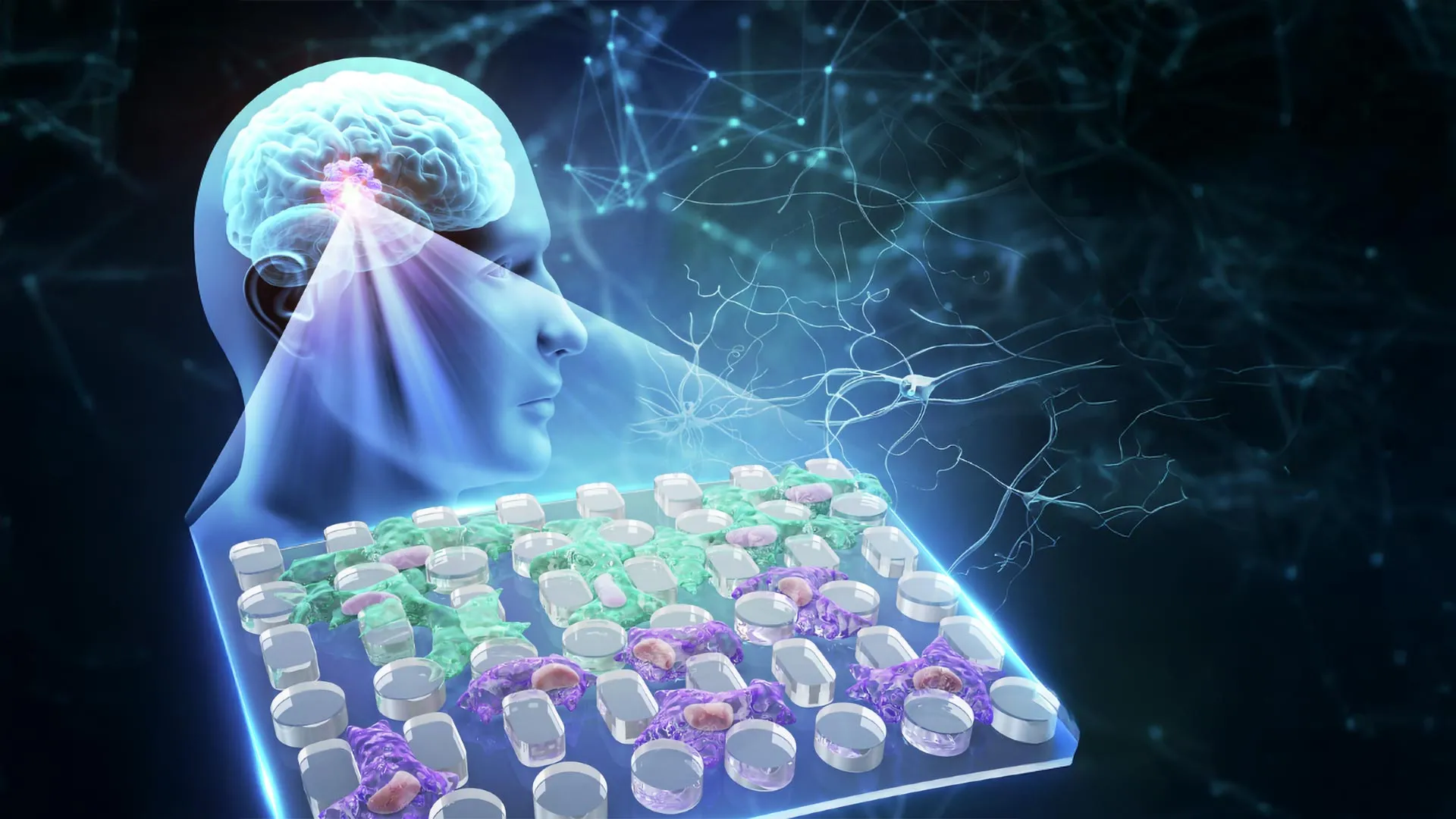
Scientists have identified a previously underappreciated way in which glioblastoma—the deadliest brain cancer—acquires its famed invasiveness. The investigators report that the thick, gelatinous matrix surrounding glioblastoma tumors can compress cancer cells, make them more flexible, and amplify their ability to penetrate adjacent brain tissue.
The observation came from lab work in which cultured glioblastoma cells were exposed to a synthetic mimic of the tumor’s surrounding fluid, commonly called the extracellular matrix. Within a few hours, the cells assumed a smaller, more elongated form and exhibited increased motility. Strikingly, after the cells were taken out of the matrix and returned to ordinary growth medium, many of the aggressive characteristics remained, indicating a lasting reprogramming.
Glioblastoma has long confounded physicians because, unlike many solid tumors, it spreads diffusely throughout the brain, rendering surgical excision virtually impossible and limiting the impact of radiation and chemotherapy. These new results point to the tumor’s own microenvironment as a driver of that dissemination, adding another layer of difficulty to an already formidable disease.
“The matrix isn’t just a passive scaffold; it actively reshapes tumor biology,” said one of the study’s senior investigators. Although the paper does not specify particular molecular pathways, earlier research has linked matrix stiffness and composition to alterations in cell signaling that govern movement and survival. The persistence of the altered phenotype after removal from the matrix suggests that epigenetic or transcriptional switches may be triggered, locking cells into a more invasive state.
Deciphering how the matrix provokes these changes could unveil new therapeutic strategies. Agents that alter the composition or mechanical properties of the extracellular environment, or that block the downstream signals activated by matrix contact, might blunt the tumor’s invasive capacity. Such approaches are already under investigation in other cancers, yet glioblastoma’s unique location and the blood‑brain barrier pose additional challenges.
The authors caution that the work remains preliminary and was conducted mainly in cell culture. Follow‑up experiments in animal models and, eventually, human tissue samples will be required to verify that the same mechanisms operate in patients. Nonetheless, the discovery adds a vital piece to the puzzle of why glioblastoma remains so hard to treat.
If later studies confirm these observations, clinicians may soon have a new class of adjunctive therapies aimed at “softening” the tumor’s surrounding gel or interrupting its signaling cascade. These measures would complement existing surgical, radiologic, and chemotherapeutic regimens, potentially extending survival and improving quality of life for patients confronting this aggressive brain cancer.


Comments (0)
Be the first to comment.
Join the discussion