Research Indicates Antarctic Ice Cliffs May Be More Stable Than Anticipated
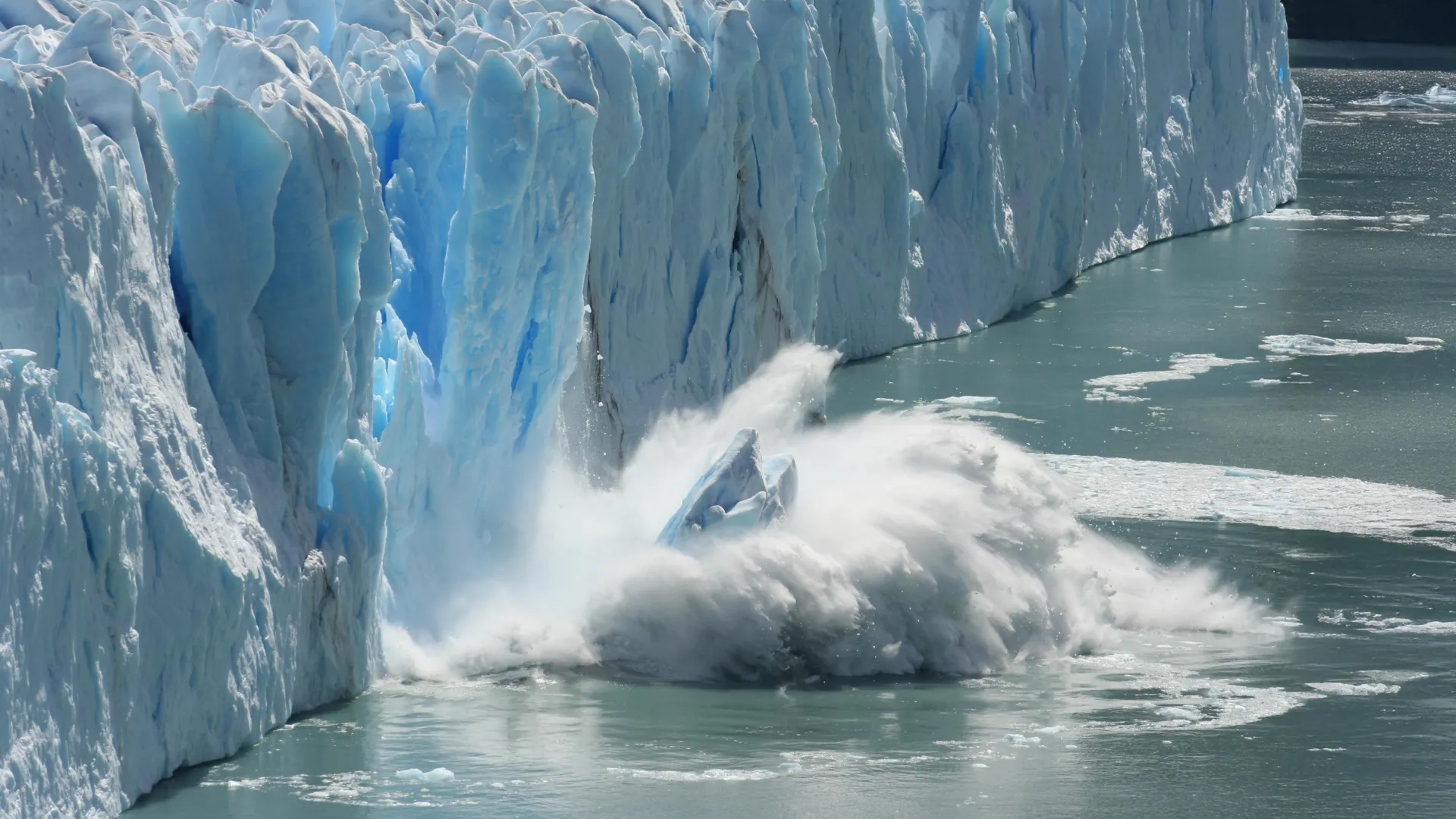
A fresh assessment of over 15,000 Antarctic ice cliffs indicates that even the loftiest and fastest‑breaking faces might be less susceptible to catastrophic collapse than scientists had feared.
The study, issued by a university‑led partnership, employed satellite imagery together with automated detection tools to record the height, slope and break‑up frequency of cliffs throughout the continent. Whereas earlier models warned that the steep, sheer ice walls bordering Antarctica’s shelves could provoke sudden, large‑scale calving, the new observations show a trend of slower, more gradual loss.
The authors note that the highest cliffs—some soaring hundreds of metres above sea level—do indeed undergo rapid break‑offs when failure occurs, yet such incidents are far less common than predicted. They attribute this to a mix of buttressing from adjacent ice, fluctuating temperature gradients, and submerged grounding zones that tether the ice.
These results emerge at a pivotal time for climate researchers tracking sea‑level rise. Antarctica currently accounts for about a quarter of the observed global sea‑level increase, and the prospect of abrupt ice‑shelf breakup has long injected uncertainty into projection models. By demonstrating that the most dramatic cliff failures may be limited by natural stabilising forces, the paper tempers worst‑case outlooks, though long‑term worries remain.
Scientists warn that the observed resilience does not imply the continent is immune to future change. Ongoing warming of ocean waters and the atmosphere could still wear down the protective mechanisms identified, eventually leading to more frequent or larger calving events. The team therefore advises continuous monitoring, especially as newer satellite systems boost observation resolution and frequency.
Future investigations will aim to merge the cliff‑collapse dataset with oceanographic data to clarify how warming currents affect ice‑front behaviour. By sharpening the physical parameters that dictate cliff stability, researchers hope to improve the precision of sea‑level rise forecasts that inform policymakers worldwide.
Although the study does not overturn the wider consensus that Antarctica is losing mass, it adds nuance to how that loss is spread across the ice sheet. The unexpected stability of the continent’s most striking ice features highlights the cryosphere’s complexity and the necessity for ongoing, high‑resolution observation.



Comments (0)
Be the first to comment.
Join the discussion