Queensland Discovery of Ancient Marsupial Order Transforms Evolutionary Narrative
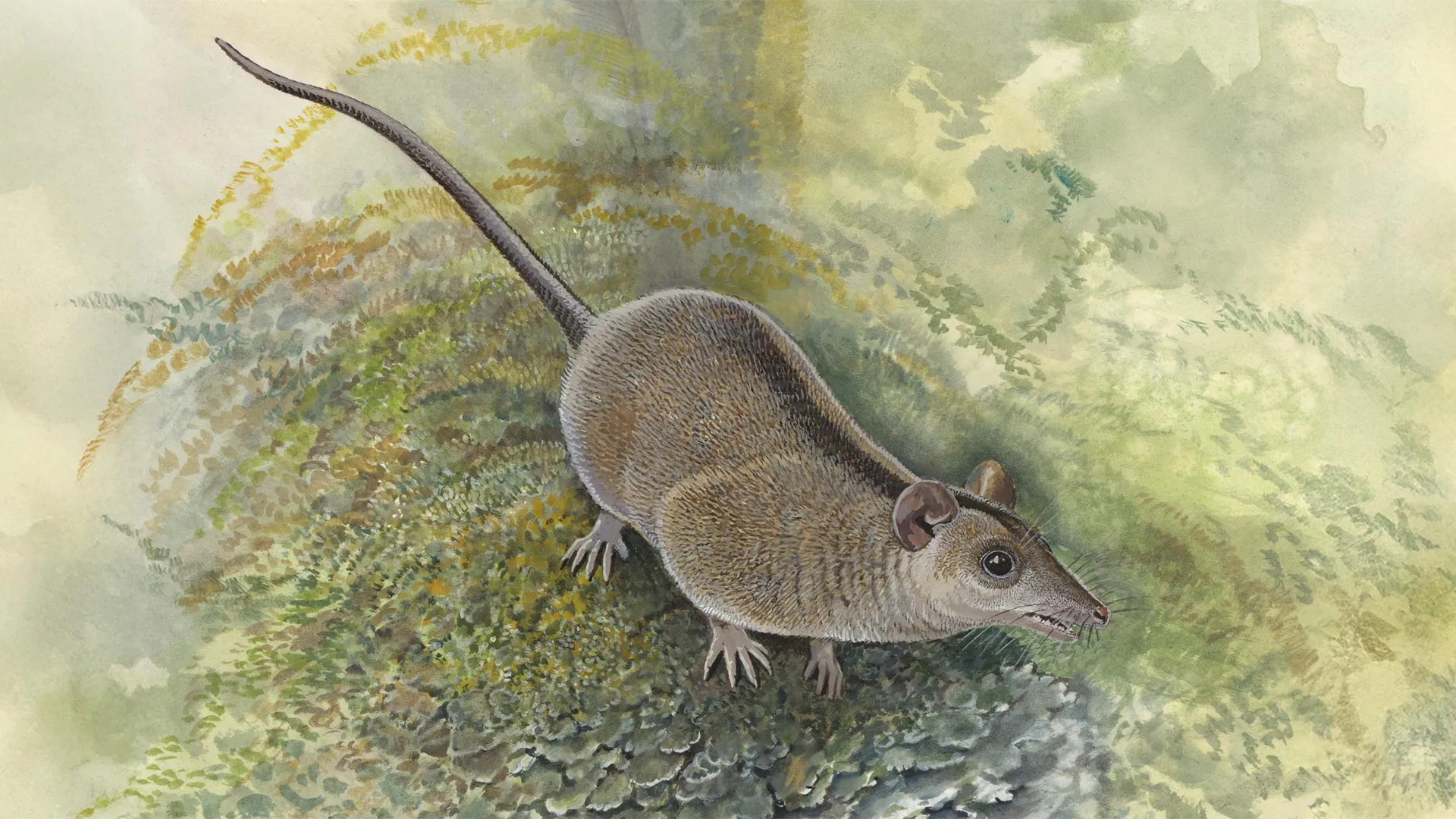
A significant discovery in Queensland, Australia, has brought to light fossil evidence of a previously unrecognized marsupial order, profoundly altering our comprehension of the continent's distinctive mammalian evolution. This recently identified lineage evidently flourished in Australia for an extraordinary span of roughly 35 million years, indicating a more intricate and varied ancient background for its renowned animal life than previously thought.
Detailed examination of the Queensland fossils led to findings that reveal this unique marsupial group persisted over an enormous duration of geological time. The remarkable persistence of this lineage directly questions established beliefs concerning the beginnings and spread of Australian marsupials, whose solitary evolutionary trajectory has fascinated researchers for many decades.
For millions of years, Australia's geographical separation fostered an exceptional environment for evolution, enabling marsupials to flourish in ecological roles frequently filled by placental mammals in other parts of the world. This isolation has established the continent as an active laboratory for evolutionary research, with every new fossil find providing vital perspectives on its prehistoric ecosystems.
Significantly, the identification of this novel order directly contradicts the widespread notion that Australia's varied marsupial species all originated from a solitary ancestral branch. Rather, this finding implies that the continent's marsupial family tree could be considerably more complex and extensively branched, possibly involving several distinct colonization occurrences or a more ancient, diverse foundational lineage present within Australia itself.
The ramifications of this discovery are substantial for the fields of paleontology and evolutionary biology. It introduces fresh pathways for investigating the particular environmental factors that enabled this vanished order to endure for millions of years, alongside its relationships with other established marsupial groups during periods when Australia's climate and terrain diverged significantly from current conditions.
Researchers are now expected to concentrate on finding additional fossil evidence to construct a more comprehensive understanding of this ancient order's physical form, dietary habits, and conduct. Grasping its position within the wider marsupial evolutionary tree will be crucial for deciphering the complete extent of its influence on the continent's evolutionary narrative.
This pioneering discovery highlights the immense, unexamined segments of Australia's deep past that remain concealed. It acts as a powerful testament that, even in thoroughly researched regions, the fossil record persistently provides remarkable revelations, continually sharpening and broadening our grasp of life's elaborate progression on our planet.


Comments (0)
Be the first to comment.
Join the discussion