Prototype Camera Embeds Cryptographic Signature to Combat Deep‑Fake Images
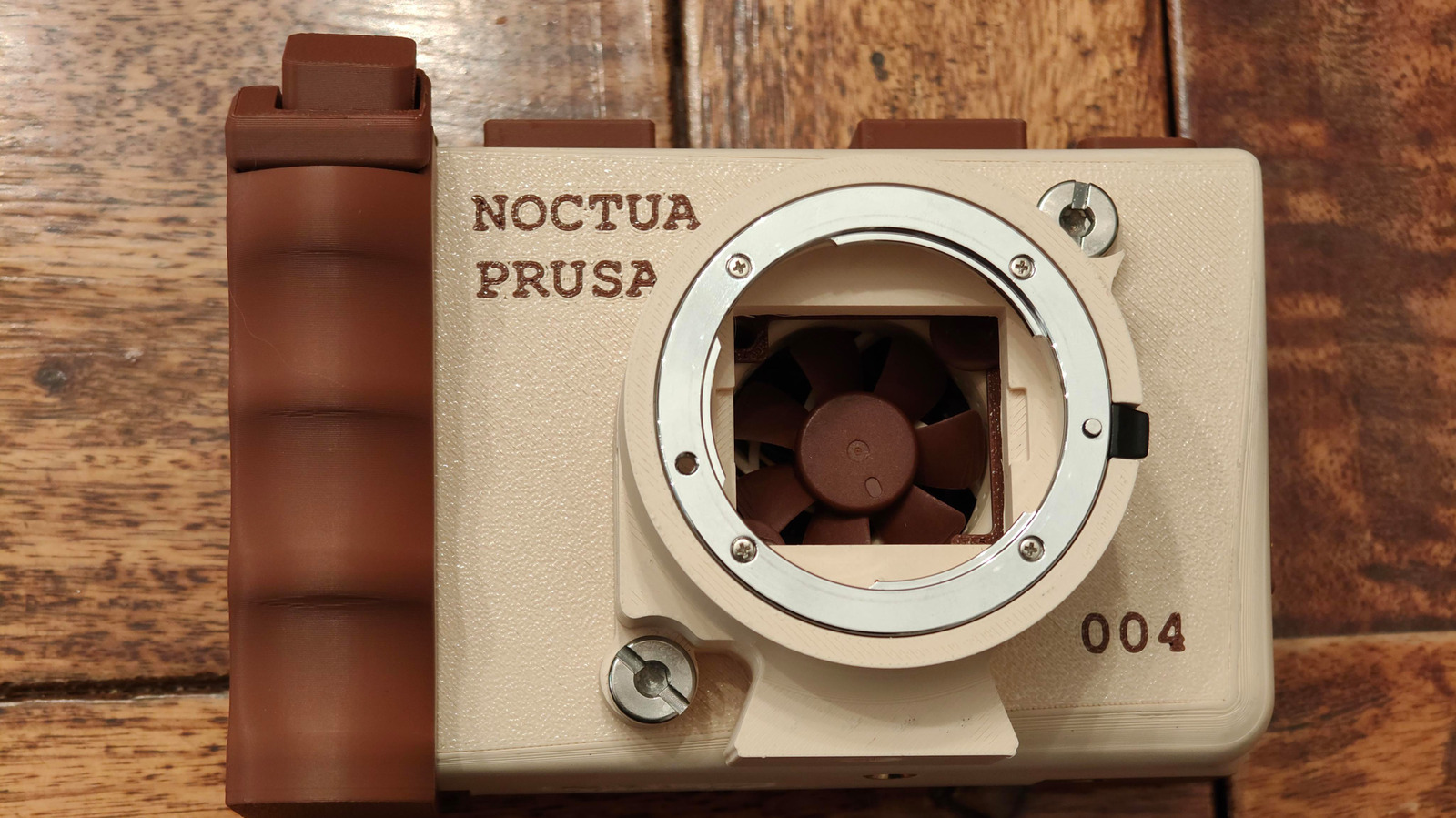
A prototype camera currently under trial automatically affixes a cryptographic proof of origin to each photo it captures, delivering a hardware‑based solution to the rising tide of AI‑generated deep‑fake images.
With synthetic‑media tools growing easier to use, the distinction between genuine photographs and computer‑generated pictures is narrowing, raising alarms among journalists, law‑enforcement agencies and the broader public. Being able to confirm that a visual file originated from a particular device may bolster trust in visual evidence that has faced mounting skepticism.
The camera inserts a distinctive digital signature straight into the image file’s metadata. When the shutter clicks, an internal secure chip creates a hash of the raw data and encrypts it using a private key that is permanently linked to the camera’s silicon fingerprint. This cryptographic tag can subsequently be verified against a matching public key, confirming that the file came from that precise piece of hardware and remains unaltered.
According to developers, the operation occurs in real time and needs no internet connection, as verification keys can be disseminated offline or via trusted platforms. Third‑party applications and web services would be able to read the embedded tag, show a verification badge, or even refuse images missing a valid signature, establishing a trust chain beginning at capture.
Potential users span newsrooms that must demonstrate photograph provenance in legal contexts, courts that depend on visual evidence, and social‑media platforms looking for automated means to flag unverified material. By delivering a tamper‑evident record at the point of capture, the camera could serve as a practical antidote to the “deep‑fake arms race,” wherein AI models produce ever more convincing counterfeit images.
Obstacles still exist before the idea can exit the laboratory. Standards for embedding and reading cryptographic tags are still in their infancy, and broad uptake will hinge on manufacturers aligning on interoperable formats. Privacy advocates caution that a permanent hardware identifier might be exploited for tracking if not properly controlled. The prototype’s developers intend to release the design for peer review and seek collaborations with standards organizations to tackle these issues while polishing the technology for commercial launch.


Comments (0)
Be the first to comment.
Join the discussion