Poland’s PM Labels Spyware Data Breach ‘Biggest Post‑Communist Scandal’
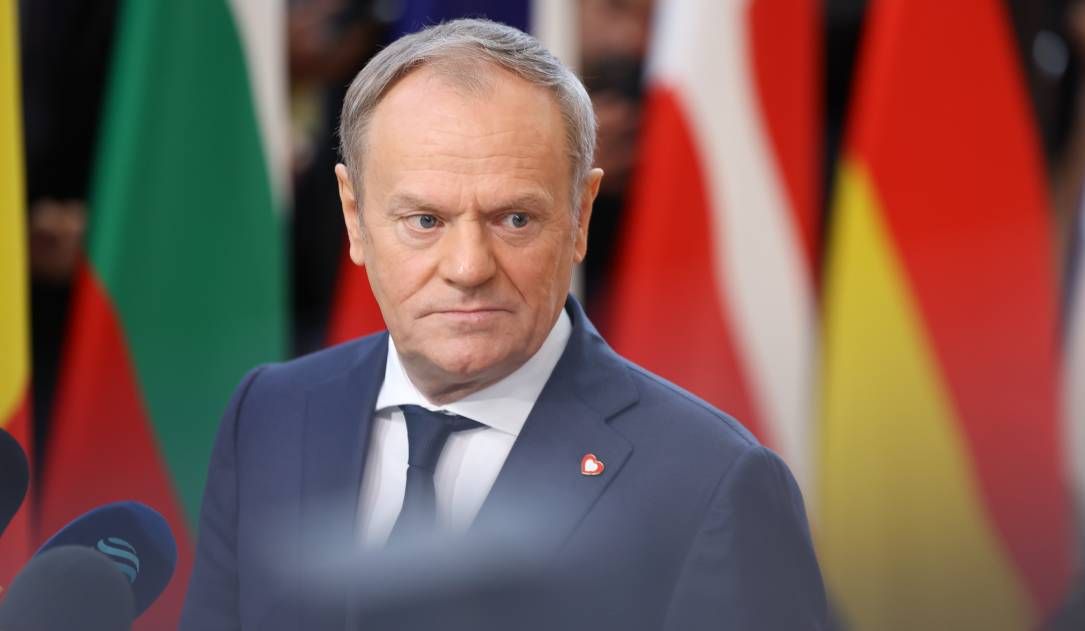
On Monday, Prime Minister Donald Tusk declared that a surveillance‑software company's retrieval of data collected by the previous government constitutes “one of the biggest scandals in Polish history since the fall of communism,” highlighting the political repercussions of the matter.
Having launched a criminal probe once the accusations emerged, Tusk cautioned that the incident might undermine public trust in democratic institutions. The inquiry focuses on a private spyware maker that, early evidence suggests, accessed data gathered by the former ruling party during its tenure.
Although specifics are scarce, officials characterize the software as a system able to penetrate smartphones and computers, harvesting messages, call logs and location information. The purported intrusion implies that state‑collected data—initially obtained for security or administrative reasons—was diverted for commercial gain without the consent of citizens.
Since Poland shifted from a Soviet‑era authoritarian system to a democratic republic in 1989, intermittent scandals over state surveillance have surfaced. This latest controversy rekindles recollections of earlier abuses and prompts scrutiny of how effectively the nation has embedded oversight of intelligence and law‑enforcement instruments.
Opposition factions have pounced on the revelation, calling for complete transparency and responsibility from officials who allowed the data transfer. International monitors, such as the European Union’s data‑protection authority, have voiced worries that the episode could breach EU privacy rules and may trigger wider examination of Poland’s cybersecurity policies.
The prosecutor’s office now bears the duty of assessing possible breaches of criminal law, while a parliamentary committee is set to review legislative shortcomings that permitted the data transfer. Legal scholars predict that the outcomes could prompt stricter rules governing the acquisition and deployment of surveillance technology by both public authorities and private companies.
Should the probe validate the accusations, the scandal may mark a pivotal moment for Poland’s handling of digital rights, spurring reforms intended to protect citizen data and bolster the checks and balances that support the post‑communist democratic framework.



Comments (0)
Be the first to comment.
Join the discussion