Pennsylvania Locals Turn Down Money to Halt Data‑Center Opposition
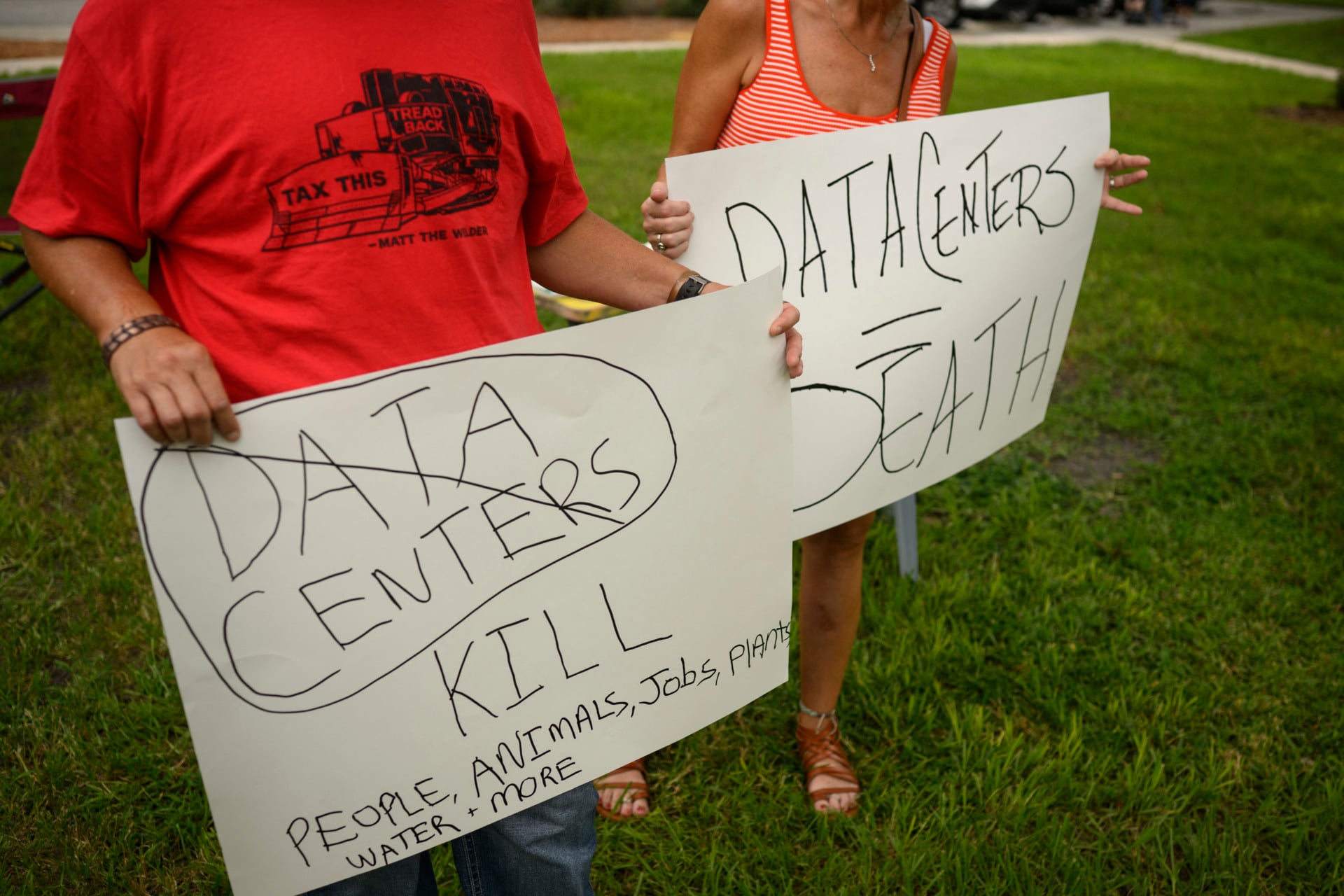
A regional developer’s plan for a $100 million data center in a rural Pennsylvania township was met with resistance, as the offer of a modest cash incentive—under $10,000 per household—did not convince locals to back down.
Residents have staged nightly vigils and attended public hearings, warning that the project could tax the region’s scarce water resources, clog the narrow county roads with additional traffic, and push property values beyond the reach of long‑time inhabitants. The unnamed developer, as reported, tried to silence the criticism by proposing a single payment to any household that would withdraw its protest.
Nevertheless, local officials have collectively turned down the offer, contending that immediate monetary benefit cannot compensate for the enduring environmental and social drawbacks. “We are not for sale,” declared an unnamed spokesperson for the township’s civic association, underscoring that the community places its quality of life above a few thousand dollars.
Data centers—facilities that host the servers driving cloud services—have turned into a contentious issue in numerous rural U.S. locales. Their operation demands substantial, dependable power and extensive cooling systems, which frequently tap heavily into local water supplies. Although such sites can generate employment and tax income, detractors note that the advantages usually end with the construction stage, while the environmental footprint endures for decades.
State authorities acknowledge that the proposal meets current zoning rules, yet the dispute has sparked demands for a deeper environmental assessment. Advocacy organizations are pressing the Pennsylvania Department of Environmental Protection to evaluate the facility’s cumulative effects, particularly given the heightened climate‑driven water scarcity affecting the area.
The impasse highlights a wider clash between tech‑industry growth and local guardianship of natural assets. While the developer considers its next steps, residents stay resolute: monetary offers cannot substitute for sustainable development and the protection of their way of life.



Comments (0)
Be the first to comment.
Join the discussion