Osprey Introduces Autocharge Feature to Simplify EV Charging Across the UK
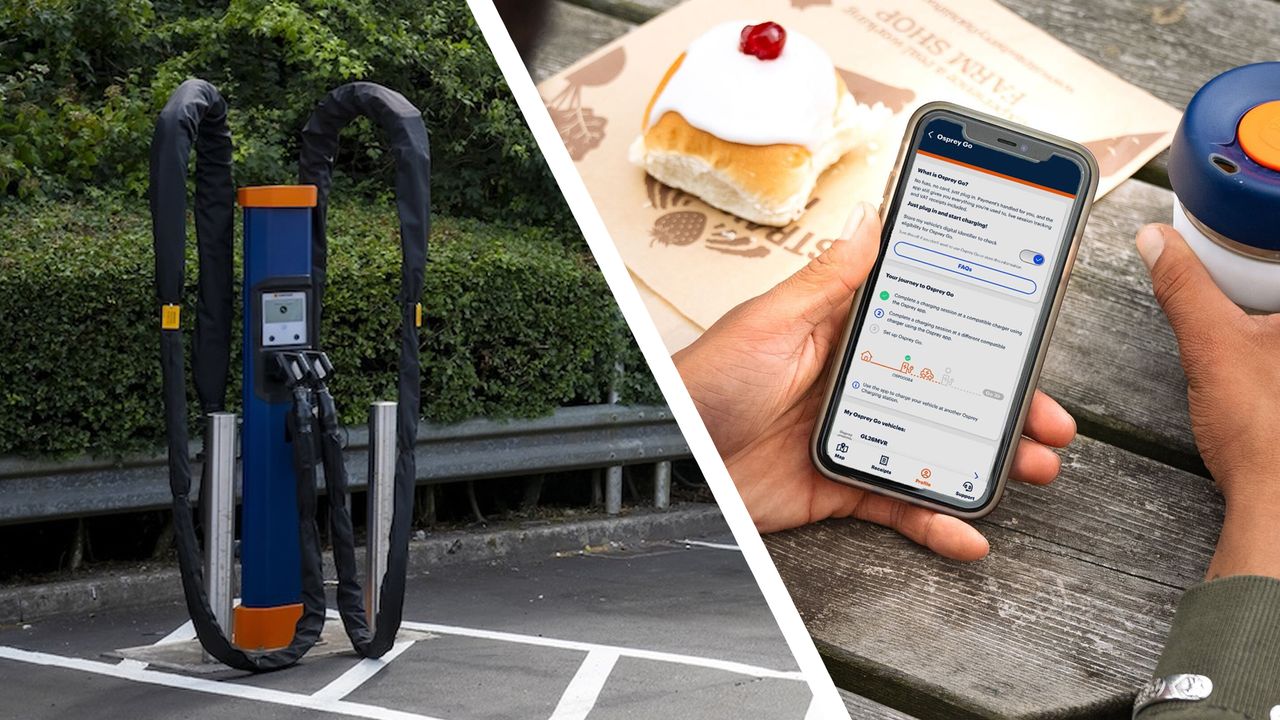
Osprey has unveiled an automatic charging capability on its UK network, pledging to remove the requirement for motorists to initiate a session manually whenever they connect an electric vehicle. The Autocharge software ties a driver’s registered account to a charging point, enabling electricity to begin flowing the moment the car is plugged in.
This technology tackles a common grievance voiced by EV owners—the need to hunt for a card reader or tap an app button after parking. By automating the transaction, Osprey aims to render public charging as simple as refuelling a traditional car, a convenience that may spur wider uptake of electric vehicles.
Beyond the hands‑free initiation, the system features dynamic pricing, allowing the kilowatt‑hour rate to vary according to demand, grid load, or time of day. Early adopters note that the algorithm can pick cheaper time slots, lowering the total cost of a charging session without any driver intervention.
Osprey’s Autocharge ranks among the earliest deployments of this capability in the UK, even though comparable trials have occurred abroad. The launch arrives after a swift growth phase for public charging infrastructure, a period in which operators have wrestled with balancing availability, price transparency, and user experience. By embedding account authentication straight into the hardware, Osprey bypasses the “plug‑in‑and‑search‑for‑card‑reader” hurdle highlighted in consumer surveys.
Industry analysts observe that although the technology eliminates one friction, it does not address every obstacle confronting EV drivers. Concerns like charger reliability, rural network coverage, and charging speed stay pivotal. Additionally, dynamic pricing might spark worries if rates surge during peak demand, potentially negating some of the convenience benefits.
Looking forward, Osprey intends to fine‑tune the pricing algorithm and roll out the Autocharge function to its forthcoming stations nationwide. The firm also hinted that future updates could embed vehicle‑to‑grid communication, enabling cars to return electricity to the grid when idle. At present, the automatic charging feature marks a concrete move toward a more user‑friendly electric mobility experience, even as larger systemic challenges continue to influence the sector’s evolution.



Comments (0)
Be the first to comment.
Join the discussion