Orcas Employ Groundbreaking 'Explosive' Feeding Tactic Against Sunfish in Gulf of California
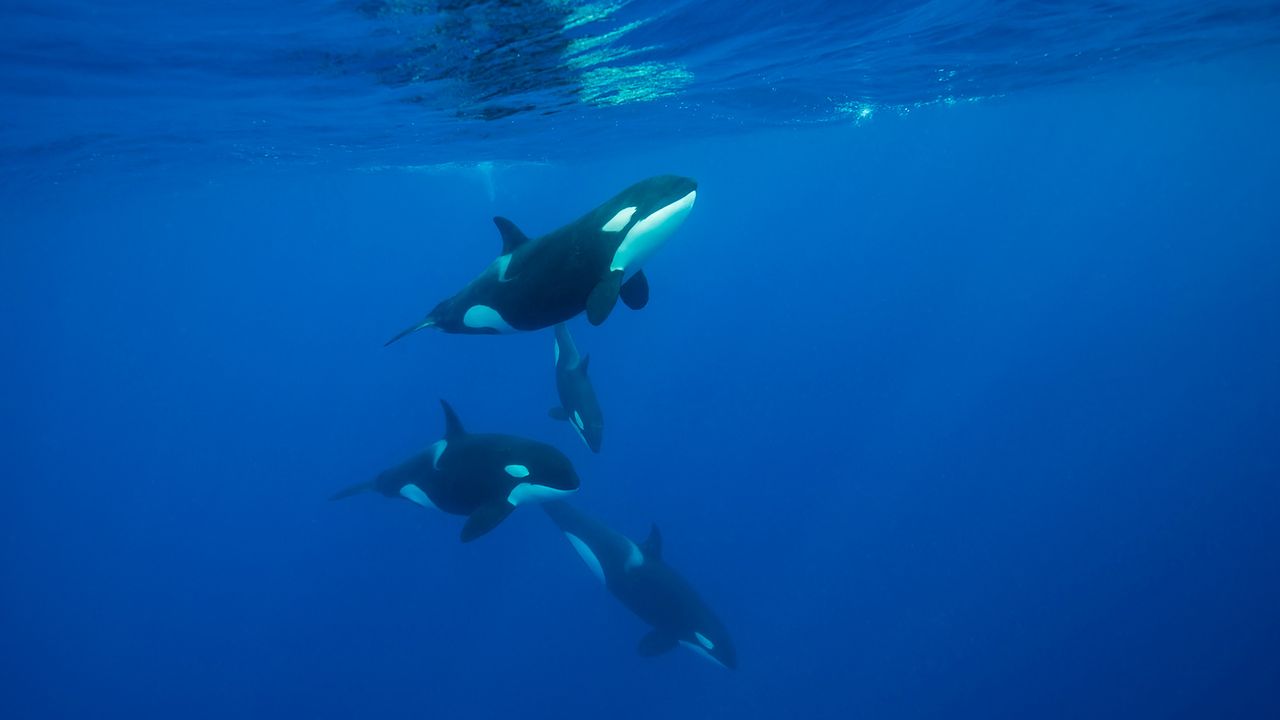
Marine life observers in the Gulf of California have recorded a surprising and never-before-witnessed behavior from orcas: a synchronized approach to aggressively break apart sunfish, indicating an innovative way of preparing food. This forceful encounter, which observers characterized as exceptionally uncommon, saw the mighty marine predators repeatedly hitting the sizable fish with such power that it fell to pieces.
These extraordinary findings, first publicized by LiveScience, describe how pods of orcas focused on sunfish, using headbutts with such vigor that the hapless fish were quite literally ripped asunder. Researchers believe this severe physical treatment is a purposeful method to transform the considerable, frequently bony sunfish into easier-to-eat, consumable segments.
The revelation has sparked significant attention among scientists, as it expands the already varied behavioral range of these exceptionally intelligent ocean hunters. Although orcas are well-known for their complex hunting tactics and formidable physical prowess, this particular technique of dismembering sunfish differs markedly from any feeding behaviors recorded before.
Orcas, also known as killer whales, are top-tier predators recognized for their intricate social arrangements and highly flexible hunting approaches, which differ considerably among various groups and habitats. Their methods span from jointly corralling fish to synchronized assaults on seals and even other cetaceans. Nevertheless, the organized and forceful breaking apart of sunfish constitutes an evolved or freshly embraced strategy that is notably unique.
Sunfish, or Mola mola, hold the title of the world's heaviest known bony fish, identified by their unique flattened forms and frequently substantial dimensions. Despite not usually being regarded as a main dietary item for many predators because of their resilient, cartilaginous hide and sizable bones, the orcas' innovative approach seems to overcome these obstacles by literally deconstructing the fish.
The ramifications of this sighting are considerable for comprehending orca flexibility and the possibility of cultural dissemination of novel behaviors within their groups. Scientists will certainly be eager to ascertain whether this event is an isolated occurrence, a regional development, or a propagating pattern across orca communities, thereby underscoring the ever-changing essence of marine environments and their inhabitants.
While researchers persist in deciphering the enigmas of the ocean depths, observations such as these act as a powerful testament to the immense, undiscovered intricacies of marine existence. Continuous research into orcas within their native environments consistently brings to light fresh understandings of their intellect, social interactions, and their astonishing ability to adjust and devise new methods in their quest for food.


Comments (0)
Be the first to comment.
Join the discussion