Oral Bacteria Implicated in Heart Valve Hardening
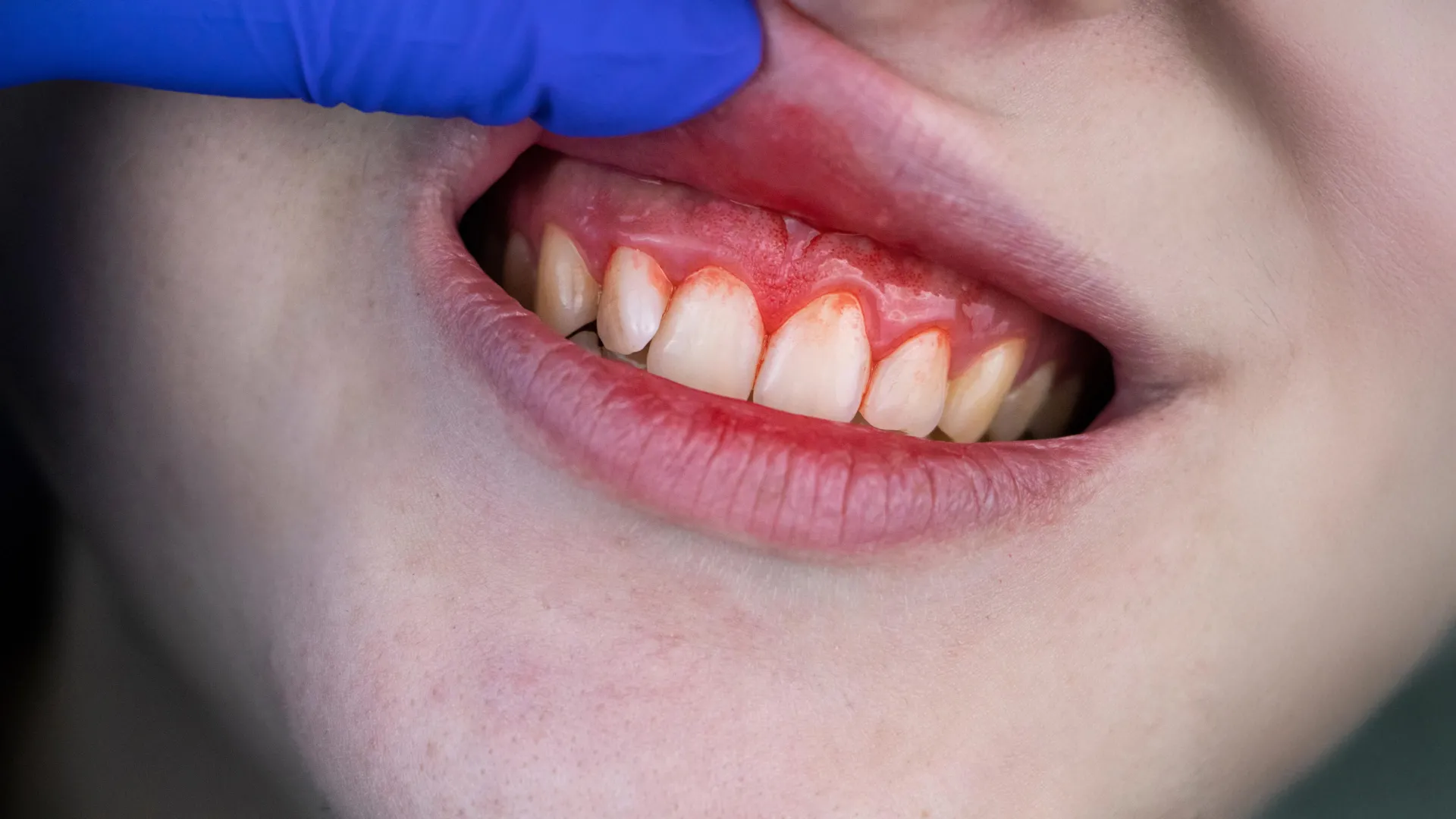
Fresh investigations are revealing a potential correlation between common bacteria found in gum disease and the onset of calcific aortic valve stenosis, a severe heart condition. Initial findings indicate that specific microbes originating in the mouth might contribute to the stiffening and narrowing of cardiac valves by triggering inflammatory responses and encouraging the buildup of calcium within valve tissue.
Calcific aortic valve stenosis (CAVS) is a progressive heart valve disorder that is becoming increasingly common, especially among older individuals. This condition arises when the heart's aortic valve, which is crucial for regulating blood flow from the heart throughout the body, stiffens and constricts due to an accumulation of calcium. In advanced stages, CAVS can severely obstruct blood flow, leading to symptoms such as chest pain, shortness of breath, and eventually heart failure, often necessitating surgical valve replacement.
The study's preliminary observations highlight the involvement of oral bacteria in intensifying this calcification process. Researchers theorize that these microorganisms, possibly entering the bloodstream from infected gums, could provoke an immune reaction within the aortic valve. This resulting inflammation, in turn, might foster an environment conducive to calcium deposition, progressively hardening the valve leaflets and hindering their proper operation.
This evolving understanding carries significant ramifications for both cardiovascular medicine and the broader public health landscape. If substantiated, it could reshape the known risk factors for CAVS, expanding beyond traditional elements like age, high blood pressure, and elevated cholesterol to encompass oral hygiene. The discovery paves the way for exploring novel therapeutic approaches aimed at decelerating or even halting the progression of this debilitating valve condition.
While these initial findings are considered preliminary, they emphasize the intricate relationship between seemingly unrelated bodily systems. Further investigation is essential to fully clarify the precise mechanisms through which gum disease bacteria might impact heart valve calcification and to ascertain the prevalence of this association across wider populations. Long-term studies and clinical trials will be indispensable for validating these early observations.
For the present, this research provides yet another compelling rationale for prioritizing excellent oral hygiene. Maintaining healthy gums through consistent brushing, flossing, and dental check-ups represents a straightforward, cost-effective preventative measure. While its direct efficacy in averting CAVS still awaits more conclusive evidence, the established benefits of oral health for overall well-being, including the reduction of systemic inflammation, render it a worthwhile endeavor.
Ultimately, this investigation adds to a growing body of scientific evidence underscoring the systemic repercussions of oral health. It suggests that events in the mouth may not be confined there, potentially influencing the vitality of crucial organs like the heart and offering a fresh perspective on preventing a primary cause of cardiovascular disease.


Comments (0)
Be the first to comment.
Join the discussion